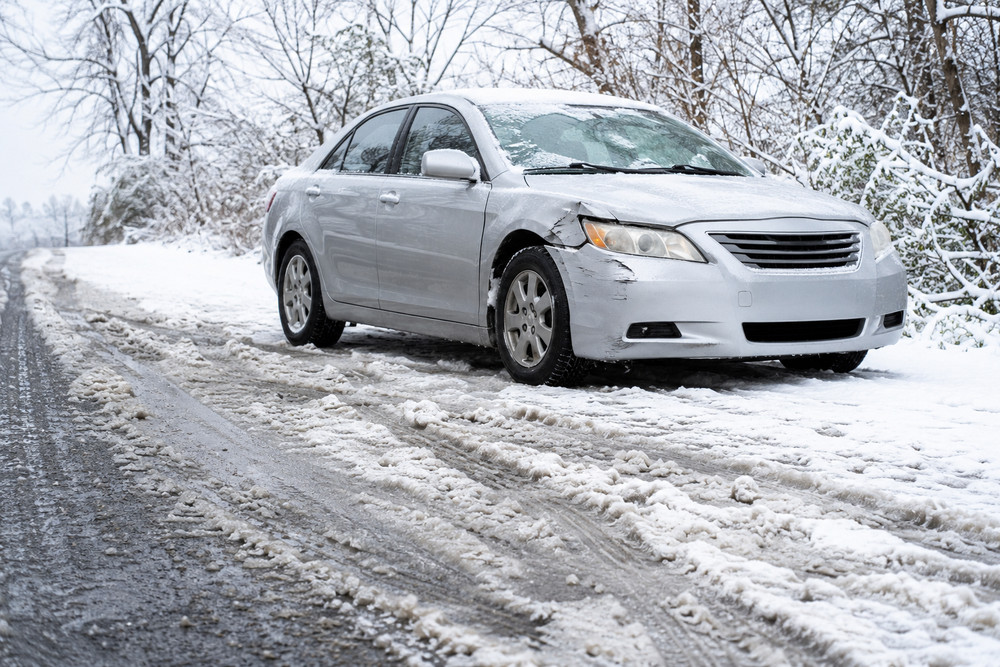
Winter driving in North Carolina can change quickly. A morning that begins with rain in Charlotte, Raleigh, or the Triad may turn into sleet, slush, or ice by the afternoon, especially on elevated roads and shaded stretches. After a collision, those changing conditions can make it difficult to show exactly what drivers saw, how the road felt, and why a vehicle lost traction. Understanding how to document winter weather car accidents in North Carolina can help preserve facts that may disappear within hours.
The first priority is always safety. A crash scene may involve traffic, low visibility, falling temperatures, downed debris, or an unstable vehicle. Once everyone is in a safe place and emergency responders have been contacted, clear and timely documentation can provide a more reliable picture of what occurred.
Why Winter Crash Scenes Change Fast
Winter evidence is often temporary. Passing vehicles can cover or disturb tire marks. Road crews may spread salt or brine, plow slush, or clear snow. A rise in temperature can melt ice, while a new band of precipitation can cover the original surface. What looked like a slick, frozen lane at the time of impact may look merely wet in a photograph taken later.
Black ice can be particularly hard to capture because it may resemble a dark wet patch. Snow can also conceal lane lines, shoulders, curbs, signs, debris, and the edge of the pavement. For general preparation and questions about a collision, a North Carolina car accident lawyer may be able to explain what records and deadlines could matter in an individual situation.
What to Do at the Scene
Do not put documentation ahead of physical safety. If a vehicle blocks traffic or creates a new danger, follow emergency instructions and move it when appropriate. Do not return to an active travel lane simply to retrieve an item or take a better photograph.
- Move to a safer location if possible and turn on hazard lights.
- Call 911, particularly if anyone is injured, traffic is blocked, or conditions are hazardous.
- Use warning devices only if they can be placed safely.
- Tell responders about ice, packed snow, poor visibility, standing water, or other conditions you observed.
- Request the incident or report number before leaving, if one is available.
- Seek medical attention when needed, including for symptoms that appear after the initial shock fades.
- Write down your recollection as soon as you can do so accurately.
Photos That Can Help Explain the Crash
A useful photo set shows the overall setting as well as close details. Take pictures only from a safe location, and preserve the original files rather than relying only on screenshots or edited copies.
Wide-Angle Photos
- The direction of travel, lane layout, intersections, and traffic signals.
- Curves, hills, bridges, overpasses, and shaded sections of roadway.
- Snowbanks, slush, standing water, untreated pavement, or reduced visibility.
- Vehicle positions before they are moved, when safe and permitted.
Close-Up Photos
- Visible slide paths, tire marks, compacted snow, or ice.
- Damage to each vehicle from several angles.
- Broken lights, glass, mirrors, bumpers, guardrails, signs, and barriers.
- License plates, roadway identifiers, and nearby landmarks that establish location.
A short video may add context that still images miss, such as falling precipitation, wind, traffic volume, or limited sight distance. Narrate only observable facts if you speak in the recording. Avoid guessing about speed, blame, or what another driver intended.
Weather and Road Records to Save
Weather evidence is most useful when it is tied closely to the time and location of the crash. Save alerts, travel notices, and screenshots promptly because online conditions can update as a storm develops. Record the approximate crash time, nearest cross street, direction of travel, and whether precipitation was falling.
- Hourly temperature and precipitation information.
- Weather warnings and visibility conditions.
- Road closure notices and traffic camera images, if available.
- Messages about plowing, brining, salting, or other road treatment activity.
- Receipts or location records that help establish your route and timing.
The state’s winter driving guidance advises motorists to use caution on bridges and overpasses, slow down, and leave more following distance when roads may be slick. Treatment records can provide context, but they do not independently establish why a particular crash happened.
Witnesses and Digital Evidence
Independent evidence can fill gaps when snow, ice, or traffic has changed the scene. A witness may have noticed a vehicle’s lane movement, headlights, braking, or speed before the impact. Collect names and contact information from willing witnesses, but do not pressure anyone to give an opinion.
Ask nearby businesses whether exterior cameras may have captured the road or parking-lot entrance. Preserve dashcam footage promptly in its original format, since some systems overwrite older files. Keep relevant text messages, weather alerts, navigation records, repair estimates, medical paperwork, and insurance correspondence together in one place.
How Fault May Be Reviewed
Winter weather alone does not answer the question of fault. A review may consider whether each driver adjusted to the conditions that existed at that moment. Important questions can include whether a driver had enough room to stop, used lights when visibility was poor, made a sudden maneuver, maintained the vehicle, or traveled too fast for a slick surface.
Crash reports, photographs, vehicle damage, witness statements, video, weather data, and mechanical records may all provide relevant context. One item rarely tells the whole story, so it is wise to preserve information without making broad conclusions at the roadside.
Common Documentation Mistakes
- Waiting days to write down what happened.
- Posting theories about fault on social media.
- Deleting unclear photos that may still show conditions or timing.
- Allowing repairs before photographing damage and retaining repair records.
- Assuming a police report includes every detail that matters.
- Editing the only copy of dashcam or phone video.
- Ignoring pain or other symptoms that emerge later.
Questions Readers May Have
What if the ice was not visible?
Invisible ice may still be relevant. Record the temperature, recent precipitation, road appearance, location, time, and any statements from witnesses or responding officials.
Should a driver move the vehicle?
Safety controls the decision. If a vehicle is creating a hazard, it may need to be moved. Take photos first, only when doing so does not create additional risk.
Can a weather alert prove another driver was at fault?
No. An alert may show that hazardous conditions existed, but it does not establish how a specific driver acted. Vehicle control, following distance, visibility, and roadway conditions still require a fact-based review.
Where can drivers find winter preparation advice?
The state’s winter travel preparation tips recommend slower driving, added stopping distance, clear windows, and an emergency kit for trips in slippery conditions.
A Final Winter Crash Checklist
- Get to a safe location and call 911.
- Obtain medical care when needed.
- Photograph vehicles, roadway conditions, signs, and hazards.
- Record weather, visibility, time, and location.
- Collect witness information and preserve video.
- Keep damaged parts, repair records, medical documents, and insurance notices.
- Avoid guessing about fault while facts are still being gathered.
Snow and ice can disappear from a North Carolina roadway quickly, but careful records can preserve the details needed to understand a crash. A safe response, accurate observations, prompt photos, and preserved digital evidence create a stronger factual starting point when winter conditions blur the scene.