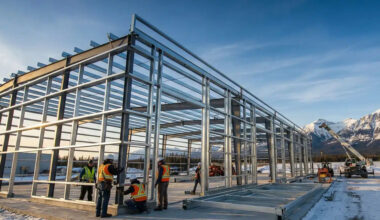
Construction projects are vital for communities, infrastructure, and economic growth, but they can also consume substantial resources and affect surrounding ecosystems. Materials, fuel, water, equipment, and construction waste all contribute to a project’s environmental footprint. By adopting practical sustainability strategies from planning through completion, construction companies can reduce pollution, conserve resources, improve efficiency, and support more responsible development without sacrificing productivity or project quality.
Develop an Environmental Management Plan
Reducing environmental impact starts before construction equipment arrives on site. A detailed environmental management plan gives project teams a structured approach to identifying potential risks and establishing appropriate controls. It should account for site conditions, planned construction activities, nearby waterways, drainage patterns, soil characteristics, vegetation, waste generation, and other environmental considerations.
Planning also helps companies determine which permits, inspections, monitoring procedures, and environmental controls may be necessary. Rather than responding to environmental problems after they occur, project managers can establish preventive measures that protect the site throughout construction.
An effective plan should clearly identify who is responsible for implementing and monitoring environmental practices. Assigning responsibilities prevents important tasks from being overlooked and creates accountability among supervisors, subcontractors, and site personnel.
Establish Measurable Goals
Environmental objectives are easier to manage when they are measurable. Companies can set targets for reducing construction waste, lowering fuel consumption, increasing material reuse, limiting water use, or minimizing the amount of disturbed soil.
Tracking performance during construction allows managers to determine whether their efforts are producing results. It can also highlight areas where adjustments may improve efficiency. Even relatively small improvements can become significant when applied consistently across multiple projects.
Reduce Construction Waste
Construction sites can produce large quantities of discarded materials, including wood, concrete, metal, packaging, drywall, insulation, and excess soil. Sending unnecessary materials to landfills increases disposal costs while contributing to resource consumption and environmental impacts associated with waste transportation and processing.
Waste reduction should begin during project planning. Accurate quantity estimates can prevent excessive ordering, while proper storage can protect materials from moisture, contamination, theft, and physical damage. Using secure, weatherproof construction site storage containers can help keep tools, supplies, and materials protected and organized throughout the project. Coordinating deliveries with construction schedules can also reduce the likelihood of materials sitting unused on the job site.
Companies should establish designated areas for different types of waste and recyclable materials. Separating materials makes recovery and recycling more practical while reducing the chance that reusable items become contaminated with general construction debris.
Prioritize Reuse and Recovery
Not every material removed or left over from construction needs to become waste. Depending on project requirements and material condition, excavated soil, concrete, lumber, metal, and other components may have opportunities for reuse.
Project teams can evaluate materials before disposing of them and determine whether they can be incorporated elsewhere on the site or used on another project. Salvaging usable components from renovation and demolition activities can also reduce the demand for newly manufactured materials.
A thoughtful approach to material recovery can lower disposal volumes while making better use of resources already available to the construction company.
Improve Equipment and Fuel Efficiency
Heavy machinery is essential to many construction operations, but equipment can consume considerable amounts of fuel and produce emissions. Excavators, loaders, cranes, generators, trucks, and other machinery can have a substantial environmental impact when they are poorly maintained or operated inefficiently.
Regular maintenance is one of the most practical ways to improve equipment efficiency. Proper servicing can help equipment operate as intended while reducing unnecessary fuel consumption and preventing avoidable breakdowns. Maintenance schedules should be followed consistently, and equipment problems should be addressed promptly.
Reducing unnecessary idling is another straightforward strategy. Equipment that remains running while waiting for materials, instructions, or other activities consumes fuel without contributing to productive work. Establishing reasonable anti-idling procedures can reduce fuel use and emissions across the job site.
Optimize Equipment Scheduling
Efficient scheduling can further reduce environmental impact. Managers can coordinate equipment use so that machinery spends less time waiting between tasks. Organizing deliveries and work activities can also reduce unnecessary vehicle trips and improve overall productivity.
When selecting machinery, companies should consider whether the equipment is appropriately sized for the work. Using oversized equipment for relatively simple tasks may increase fuel consumption without providing meaningful productivity benefits.
Where practical, companies can also evaluate lower-emission or more energy-efficient equipment options. The best choice will depend on the project’s location, work requirements, equipment availability, operating conditions, and budget.
Manage Stormwater and Prevent Pollution
Construction can disturb soil and create pathways for sediment and pollutants to enter stormwater runoff. Rainfall moving across exposed areas can transport sediment, construction debris, fuel, chemicals, and other pollutants toward drainage systems and nearby waterways.
Stormwater management should therefore be integrated into the construction plan from the beginning. Companies should evaluate how water moves across the site and install appropriate erosion and sediment controls before significant ground disturbance occurs.
Effective measures may include stabilized entrances, sediment barriers, temporary ground cover, drainage controls, sediment collection systems, and other site-specific practices. The appropriate combination depends on the project’s characteristics and applicable environmental requirements.
For projects requiring professional assistance with stormwater compliance, SWPPP in Idaho can help construction teams address planning, documentation, inspections, and pollution prevention responsibilities associated with applicable requirements.
Maintain Environmental Controls
Installing environmental controls is only the first step. Construction traffic, excavation, grading, weather, and equipment activity can damage controls or create new drainage patterns. Regular inspections help project teams identify these issues before they become larger problems.
Controls should be checked according to applicable requirements and after significant weather events when appropriate. Damaged or ineffective measures should be repaired or replaced promptly. Keeping records of inspections and corrective actions can also help demonstrate that environmental responsibilities are being actively managed.
Conserve Water and Energy
Construction operations can consume substantial amounts of water and electricity. Dust suppression, cleaning, concrete work, temporary facilities, lighting, and other activities may all contribute to resource consumption.
Companies can reduce unnecessary water use by repairing leaks, monitoring water-intensive activities, and applying only the amount needed for the task. Where suitable, alternative water sources or reuse practices may reduce dependence on potable water, provided they are appropriate for the intended application and comply with applicable requirements.
Energy conservation can involve simple operational changes. Temporary lighting should be turned off when it is not needed, electrical equipment should not operate unnecessarily, and temporary power systems should be monitored for inefficient use.
Monitor Resource Consumption
Measuring water and energy consumption can help companies identify opportunities for improvement. Unexpected increases may indicate leaks, equipment problems, inefficient practices, or changes in project activity that require closer attention.
Project managers can use consumption data to establish realistic reduction targets and evaluate whether conservation measures are effective. Over time, information collected from completed projects can help companies develop better environmental practices for future construction work.
Train Employees and Subcontractors
Environmental procedures are only effective when workers understand how to implement them. Employees and subcontractors make decisions throughout the workday that can influence waste generation, pollution prevention, equipment use, and resource consumption.
Training should be practical and specific to the project. Workers should understand how to protect erosion and sediment controls, store materials safely, manage waste, respond to spills, prevent unnecessary equipment idling, and report environmental concerns.
New employees and subcontractors should receive appropriate instruction before beginning work. Refresher training can also be useful when construction activities change or when inspections reveal recurring problems.
Build Accountability Into Daily Operations
Environmental responsibility should become part of normal job-site culture rather than an occasional administrative task. Supervisors can reinforce expectations during toolbox talks, project meetings, and routine site inspections.
Clear communication is particularly important when multiple subcontractors are working on the same project. Everyone should understand which environmental practices apply to their activities and who should be contacted when a problem occurs.
Management should also lead by example. When supervisors consistently follow environmental procedures and respond promptly to concerns, workers are more likely to recognize environmental protection as an important part of successful construction.
Choose Materials With Sustainability in Mind
Material selection can influence the environmental impact of a construction project long after materials are delivered to the job site. Companies can evaluate products based on durability, recycled content, transportation requirements, expected service life, maintenance needs, and end-of-life disposal or recycling opportunities.
Durable materials can reduce the need for frequent replacement and repairs. Depending on project specifications, materials containing recycled content may also help reduce demand for virgin resources.
Transportation is another consideration. When appropriate and practical, sourcing materials from closer locations may reduce transportation distances and associated fuel consumption. However, environmental decisions should always be balanced with project specifications, quality requirements, availability, and cost.
Consider the Full Life Cycle
A sustainable construction strategy looks beyond the initial purchase price. A material that costs less initially may require more frequent maintenance or replacement, while a more durable alternative could provide longer-term environmental and financial benefits.
Project teams should consider how materials are produced, transported, installed, maintained, and eventually removed. This broader perspective can lead to decisions that reduce waste and resource consumption over the entire useful life of a structure.
Conclusion
Construction companies can make meaningful progress toward reducing their environmental impact by integrating sustainability into everyday project decisions. Careful planning, waste reduction, efficient equipment use, stormwater protection, resource conservation, employee training, and responsible material selection can all contribute to greener job sites. These practices can also improve operational efficiency and reduce avoidable expenses, making environmental responsibility a practical part of long-term construction success.