Key Takeaways
- Effective apartment design begins with the routines residents repeat every day.
- Comfort, efficiency, flexible spaces, and durable materials should support one another.
- Useful shared amenities create more value than long lists of rarely used features.
- Thoughtful outdoor areas, walkable connections, and practical technology strengthen daily life.
- Long-term performance depends on maintenance, adaptability, and materials that can handle regular use.
Great apartment communities are not defined by one dramatic lobby, rooftop, or smart device. They are shaped by hundreds of practical decisions that make it easier to arrive, work, rest, run errands, and spend time socially. From the earliest planning stages, hotel construction specialists in Boise and multifamily project teams can use this daily-life perspective to create homes that feel dependable and welcoming.
In 2026, residents expect more than a place to sleep. They want homes that are comfortable in every season, support changing household needs, and connect naturally to the surrounding neighborhood. The strongest communities make everyday tasks feel simple while giving people room for privacy, connection, and control.
Start With Daily Life
Design should account for the ordinary moments that influence how residents judge a property. Consider someone arriving with groceries, a stroller, a bicycle, or a sleeping child. Clear paths from parking and transit, weather-protected entrances, secure package areas, and nearby elevators reduce friction before that person reaches the front door.
Inside the home, useful storage, practical laundry access, durable entry flooring, and space for work or pet care often matter more than decorative details. Good design usually feels effortless because it quietly removes obstacles residents would otherwise encounter every day.
Build Around Comfort
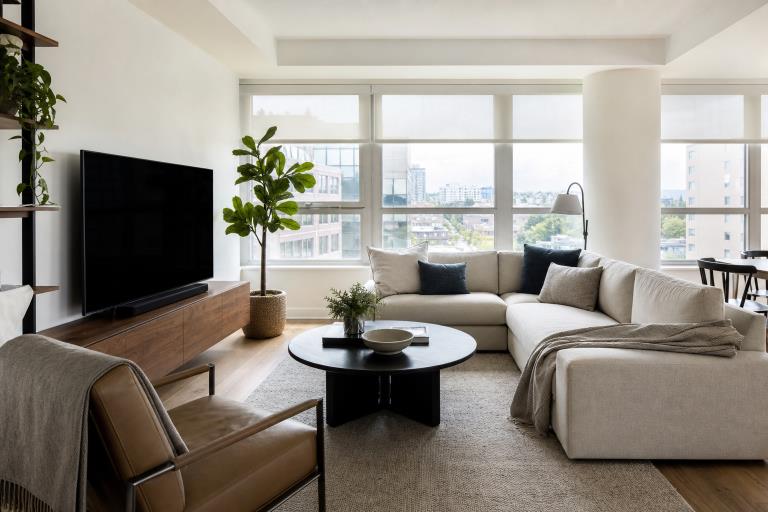
Comfort is physical and emotional. Apartments need natural daylight, but windows, orientation, shades, and glazing should limit glare and overheating. Reliable heating and cooling, responsive controls, balanced ventilation, and moisture management help residents feel secure year-round.
Sound control deserves equal attention. Quiet bedrooms, well-insulated walls, solid doors, and careful placement of mechanical equipment can protect rest and concentration. Comfort should be judged by how a home performs on an ordinary weekday, not solely by how it photographs.
Make Energy Efficiency Practical
Energy-conscious planning works best when it starts early. Insulation, efficient windows, LED lighting, high-performance appliances, and properly sized heating and cooling systems can reduce unnecessary energy demand while supporting consistent indoor conditions. Owners should compare life-cycle costs, maintenance requirements, and replacement timing rather than focusing solely on the initial purchase price.
Heat pumps are one option that can provide efficient heating and cooling while giving residents more room-by-room control. A Cornell study examining residents’ experiences with electric heat pumps found that participants reported the same or improved comfort across seasons, particularly when insulation issues were addressed alongside the equipment upgrade.
Create Shared Spaces People Use
More amenities do not automatically create more value. A modest, well-maintained lounge near the entrance may be more useful than an oversized room that is difficult to find or rarely programmed. Quiet work areas, flexible gathering rooms, fitness spaces, shaded seating, and shared tables can support regular habits rather than occasional events.
Current multifamily design trends also emphasize wellness, local connection, climate readiness, and experiences that make life between buildings feel purposeful. Details such as comfortable furniture, good lighting, visible access, and regular cleaning determine whether a shared space becomes part of residents’ routines.
Plan For Different Household Needs
Apartment communities serve individuals, couples, families, roommates, remote workers, and older adults. Flexible rooms can become offices, guest rooms, study areas, nurseries, or hobby spaces as needs change. Storage, furniture layouts, and access to daylight should support more than one way of living.
Accessible design also benefits a broad range of residents. Step-free routes, comfortable door clearances, usable bathrooms and kitchens, readable signage, and accessible common areas make a community easier to navigate now and more adaptable over time.
Use Technology With Purpose
Technology should solve a clear problem. Package management, controlled access, leak detection, and maintenance alerts can improve convenience and protect the building when systems are dependable. However, every connected tool should be easy for residents and staff to understand, operate, and repair.
Before deployment, teams should test technology with actual users and establish clear policies for privacy, data security, service interruptions, and manual backup procedures. A feature that adds multiple logins or confusing steps is not a meaningful upgrade.
Connect Indoor And Outdoor Areas
Outdoor space adds value when it is comfortable enough to use. Courtyards, rooftops, balconies, walking paths, and small gathering areas need shade, seating, drainage, lighting, planting, and weather protection. They should accommodate both social activity and quiet time.
Practical features matter here too. Secure bicycle storage, pet relief areas, benches near entrances, and visible paths to nearby sidewalks help outdoor spaces function as part of daily life rather than as scenery viewed from indoors.
Choose Materials That Age Well
Durability is a comfort issue because worn finishes, damaged doors, stained flooring, and difficult repairs disrupt residents. Flooring, countertops, fixtures, paint, roofing, and exterior finishes should be selected for the traffic, cleaning routines, weather, and replacement cycles they will actually face.
The best choice is not always the least expensive or the most visually striking option. Materials that clean easily, resist damage, and can be repaired without major disruption can lower operating pressure while helping the community remain attractive.
Make Location Part Of The Design
A community’s relationship with its surroundings is part of the resident experience. Safe walking routes, access to transit, nearby errands, parks, and local businesses can make a property more useful for people who do not want to drive for every need. Parking, deliveries, drop-off zones, bicycle movement, and pedestrian paths should be planned as one connected system.
Common Questions
What Makes An Apartment Community Comfortable?
Reliable temperature control, quiet interiors, healthy air, natural light, privacy, and easy movement through the property all contribute to comfort.
Are More Amenities Always Better?
No. Smaller, useful, well-maintained spaces often outperform a long list of features that residents rarely use.
How Can Energy-Efficient Design Help Residents?
It can support steadier indoor conditions, reduce unnecessary energy demand, and deliver more predictable building performance without guaranteeing a specific level of savings.
Why Does Outdoor Space Matter?
Comfortable outdoor areas provide residents with places to relax, move, meet neighbors, and spend time in nature.
What Should Teams Review Before Adding Smart Technology?
Review usability, reliability, cost, maintenance, privacy, data protection, and the needs of both residents and property staff.
Final Thoughts
Strong apartment design is built from practical choices that work together. When comfort, efficiency, flexibility, durable materials, useful amenities, and a clear sense of place are treated as connected priorities, communities can serve residents well today and remain valuable for years to come.