Key Takeaways
- A community can look ideal online yet feel inconvenient during an ordinary weekday.
- Compare commute patterns, schools, outdoor access, nearby services, fees, and weather readiness.
- Your monthly housing budget includes far more than a mortgage payment.
- Road projects, new retail, utilities, and future development can change everyday convenience.
- The right location should support your household’s routines now and over the next several years.
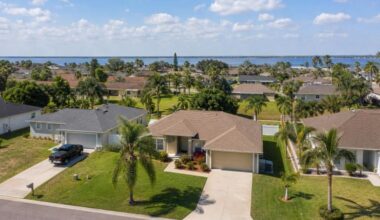
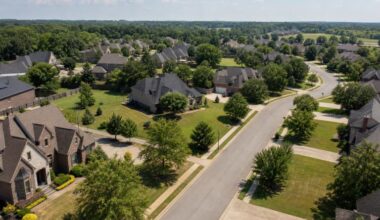
Comparing Tampa Bay communities starts with a simple question: What will life feel like on a normal Tuesday? A larger home, a new amenity center, or a lower price can be appealing, but the best fit depends on how easily the location supports work, school, errands, recreation, and rest. Buyers evaluating options with a Riverview FL new home builder or considering established neighborhoods should assess the entire routine, not just the house itself.
Make a list of the places your household uses most often, including workplaces, schools, grocery stores, medical offices, gyms, restaurants, family members, and child care. Then compare each community against that list. A home that saves money upfront can become less attractive if it adds substantial driving time, toll costs, or weekly scheduling pressure.
Start With Daily Life
Weekend visits can make almost any community feel appealing, so test the mundane details. Is there a grocery store nearby if dinner plans change? Can you reach a pharmacy, urgent care office, or gas station without a long detour? Are sidewalks, street lighting, and nearby services practical for your household?
For example, a home with an extra bedroom may seem worth a 20-minute longer drive. Yet a 40-minute addition to a round-trip commute can mean more than three hours each week in the car. Over time, convenience may be more valuable than square footage that does not improve daily routines.
Measure The Real Commute
Map distance is not the same as travel time. Test the route during morning and afternoon peak periods, and try more than one route when possible. Include school traffic, bridge crossings, toll roads, construction zones, parking, and the time required to reach the interstate or a major arterial road.
Future transportation work can also influence a location’s appeal. Reviewing District Seven’s five-year work program can help buyers identify planned roadway, transit, and construction activity in Hillsborough, Pasco, Pinellas, and nearby counties. Projects may eventually improve access, but nearby construction can also affect traffic and noise in the short term.
Review Schools And Child Care
Families should confirm assigned school boundaries directly with the applicable district before making an offer. Third-party ratings can be useful starting points, but they do not replace researching programs, transportation, class offerings, before-care, after-care, and the school calendar. Attendance zones can change as growing areas add schools.
Child care deserves the same level of planning. Ask about waitlists, pickup windows, commute direction, and backup options. A highly regarded program may not be practical if daily drop-off adds an hour of driving or conflicts with work schedules.
Look At Parks And Outdoor Space
Parks, trails, playgrounds, pools, dog areas, and preserved land can shape quality of life, especially when they are easy to use regularly. Compare public facilities with private community amenities and ask whether planned amenities are already open or deferred to a later phase.
In Tampa Bay’s warm climate, details matter. Shade, seating, restrooms, lighting, and safe walking routes can determine whether a park becomes part of the weekly routine or remains an occasional destination. A playground five minutes away may be more useful than a larger one that requires a cross-town drive.
Calculate The Full Monthly Cost
The purchase price is only one part of affordability. Build a realistic monthly budget that includes principal and interest, property taxes, homeowners’ insurance, utilities, internet, lawn care, routine maintenance, and commuting costs. Request insurance estimates before committing, particularly when storm and flood considerations may affect coverage.
Include These Costs In Your Comparison
- Mortgage payment and property taxes
- Homeowners, flood, and wind-related insurance costs
- HOA, CDD, amenity, or special assessment fees
- Electricity, water, internet, landscaping, and pest control
- Reserves for air-conditioning repairs, roof work, and storm supplies
Check Infrastructure And Growth Plans
Growth can add stores, schools, parks, and better connections, but it can also bring construction traffic, changing views, and more demand on local roads. Review county planning pages, zoning information, public meeting records, and capital improvement plans for the land around a community, not only the homes currently for sale.
Ask specific questions: Is the vacant parcel behind the home designated for housing, retail, a school, or preservation? Are new roads scheduled nearby? Is the community still in an early development phase? Clear answers help buyers decide whether future change is likely to be a benefit, a tradeoff, or both.
Consider Florida Weather Risks
Weather due diligence should be part of every location decision. Use the FEMA Flood Map Service Center to review available flood hazard information for a specific address, then discuss drainage, elevation, roof age, windows, stormwater features, and insurance requirements with qualified local professionals.
Also, distinguish flood zones from evacuation zones, since they address different risks. Ask about typical evacuation routes, emergency alerts, backup power needs, tree maintenance, and where residents store outdoor furniture or vehicles before a storm. A practical preparedness plan can make a community easier to live in year-round.
Visit Before Making A Decision
Visit more than once and at different times. Drive the area during weekday morning traffic, return during the afternoon school and work rush, and walk or drive through after dark. Test the actual routes to work, shopping, medical care, and activities your household uses regularly.
Listen for details that listing photos cannot capture, including road noise, construction, aircraft noise, nearby commercial activity, and late-night traffic. Conversations with residents can provide a useful perspective, but treat individual opinions as one input rather than a final verdict.
Use A Simple Comparison Checklist
- Commute:How long does the trip take during peak traffic, and what are the toll costs?
- Schools:Which schools serve the address, and are child care options realistic?
- Outdoor space:Are parks, trails, and recreation areas convenient enough to use often?
- Costs:What are the total fees, taxes, insurance premiums, utilities, and maintenance needs?
- Growth:What roads, buildings, retail centers, or public facilities are planned nearby?
- Weather:What flood, drainage, evacuation, and insurance factors apply?
- Daily fit:Will this location still support your household’s routines in five or ten years?
Conclusion
The strongest Tampa Bay community choice is rarely based on a single feature. Compare locations as places to live, not simply homes to purchase. A balanced decision considers total cost, commute time, school and child care needs, outdoor access, future growth, weather readiness, and the comfort of everyday life.