Key Takeaways
- Marble is being utilized beyond traditional applications, enhancing various aspects of home design.
- Innovative uses include furniture, lighting, and architectural details.
- Combining marble with other materials can create striking contrasts and textures.
Marble has long stood as a symbol of refined luxury and timeless glamor. In modern homes, its applications have expanded far beyond classic countertops and floors. Today’s designers are pushing the boundaries with marble, creating interior spaces that exude elegance in unexpected ways. Materials like marble stone Sydney are being featured in inventive elements that elevate both style and function in contemporary living environments.
Once valued mainly for its use in essential surfaces, marble is now making its mark in everything from sculptural furniture to creative lighting solutions. The blend of visual appeal, robust durability, and tactile versatility allows designers to bring both artistry and practicality to a wide range of home applications. Homeowners who embrace marble’s new interpretations are often rewarded with spaces that feel uniquely personal and enduringly elegant.
Modern interior trends are also focusing on the artful juxtaposition of materials. By pairing marble with wood or metal, designers achieve captivating contrasts that balance cool luxury with warmth and natural texture. Expanding beyond kitchens and baths, marble is infusing architectural elements, living spaces, and even lighting with sophistication that feels fresh yet timeless.
As the desire for sustainable design grows, environmentally conscious marble sourcing and reuse are becoming central topics for both architects and homeowners. Mindful consumption of this treasured stone ensures that luxury can coexist with responsibility. For further design inspiration, Homes & Gardens offers a comprehensive look at current trends and timeless ideas in marble’s many new applications.
Marble Furniture
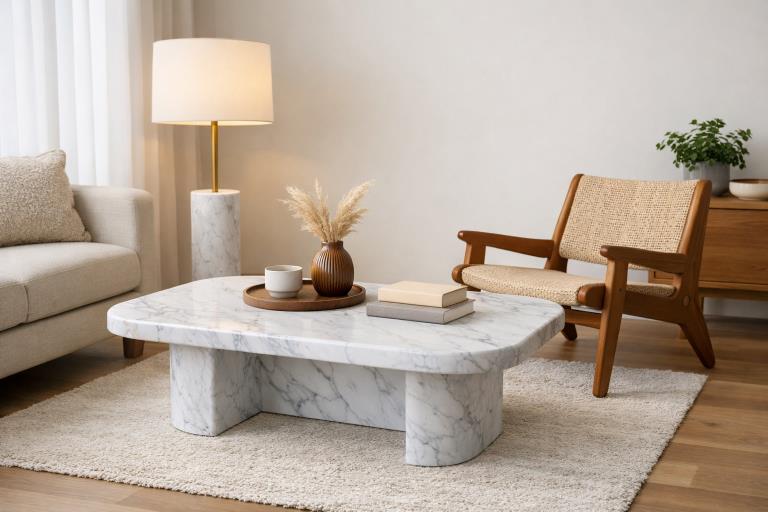
Modern designers are increasingly incorporating marble into statement furniture pieces. Coffee tables, dining tables, and side tables with marble tops or bases lend a strong sense of permanence and artistry to any space. The ‘Brutal’ stool by Seven Studio is a perfect example, blending the rawness of visible tool marks with sleek stone finishes. Such pieces function as both practical household items and striking artistic statements, unique to each home. For more on bold marble furniture concepts, explore this Dezeen feature.
Marble’s rich color and veining make each piece one of a kind. Whether polished to a glossy sheen or left with a matte, honed surface, marble furniture can seamlessly transition from luxury living rooms to relaxed, contemporary patios. Designers often pair bold marble with minimalist metal or wood for a balanced, on-trend look.
Marble Lighting Fixtures
In lighting design, the subtle translucency of certain marbles makes them an intriguing alternative to glass or metal shades. Marble pendant lights, table lamps, and sconces create a softly diffused glow that brings warmth and intimacy to interiors. The natural variations in the stone give each fixture its own character, resulting in lighting that doubles as art.
Marble’s ability to filter and scatter light gives these creations a luxurious yet understated presence in living spaces. Combining function with ambiance, marble lighting solutions offer an elegant alternative to utilitarian fixtures commonly found in modern homes.
Architectural Details
Designers are applying marble to intricate architectural details, such as window sills, door frames, and wall trims. This approach not only adds refined sculptural accents but also highlights marble’s enduring strength and versatility. When installed as moldings, architraves, or fireplace surrounds, marble elevates interiors with definition and drama that plain woods and metals rarely achieve.
Architects and designers praise marble’s ability to stand the test of time, both visually and structurally, making it an outstanding investment for those seeking long-term value and elegance in their homes.
Marble in Bathrooms
The resurgence of marble in bathroom design is notable, especially through marble architraves framing doors, mirrors, and shower entrances. These elements introduce old-world luxury into modern spaces, offering a polished, finished look that enhances layouts both large and small. This attention to detail helps create bathrooms that feel less utilitarian and far more like elegant retreats.
For those who prefer subtler implementations, marble can be used selectively, such as in tiles, decorative inlays, or mixed-material vanities. Even minor marble touches convey a sense of richness and calm.
Marble in Kitchens
Kitchen design is experiencing a marble renaissance, with dramatic veined slabs dominating countertops, backsplashes, and even entire kitchen islands. Current trends favor bold colorways, purples, greens, ochres, and highly figured stone for maximum visual impact and individual expression. Marble’s surface coolness and durability also make it practical for food prep and pastry work, enhancing its appeal.
Designers balance marble’s luxury with utility by integrating new finishes and edge profiles that withstand heavy daily use while retaining their distinctive beauty. For more tips on designing kitchens with marble, check out Architectural Digest’s in-depth kitchen remodel guide.
Combining Marble with Other Materials
Mixing marble with contrasting materials creates visual excitement and a sense of harmony. Wood brings warmth, texture, and organic dimension, softening marble’s cool touch. Metal accents lend a modern touch, while glass maintains openness and light flow. Designers may use marble inlay within wooden tabletops or combine marble counters with bronze fixtures for a sophisticated interplay of textures.
This versatility means marble can suit both ultra-modern minimalist kitchens and more eclectic, personalized environments. Pairing materials also supports sustainability goals by using remnant marble pieces and reducing overall consumption.
Sustainable Marble Choices
With the rise in eco-consciousness, ethical marble sourcing is more important than ever. Opting for locally quarried marble reduces the environmental impact tied to transport. Reclaimed marble from heritage sites or older buildings finds new life in modern homes, preserving history and reducing waste. Sustainable practices empower homeowners to enjoy luxury finishes responsibly.
Consumers are encouraged to look for certifications or inquire about the stone’s origins when planning renovations. Designers and builders are increasingly transparent about their supply chains, enabling clients to make informed investment decisions.
Conclusion
Marble’s unique combination of timelessness, artistry, and adaptability makes it a standout material in contemporary home design. From bespoke furniture to artful architectural details, the creative use of marble expands the palette of modern interiors with both beauty and substance. By considering sustainable choices and blending marble with complementary materials, homeowners and designers can create spaces that are forward-thinking, stylish, and deeply personal.