Basic Information
| Field | Details |
|---|---|
| Name | Vera Fatu |
| Variant spellings | Elevera / Elevira (appears in some family records) |
| Role | Family matriarch; member of the Anoaʻi wrestling dynasty |
| Death | April 2008 (after a battle with illness) |
| Spouse | Solofa Fatu Sr. (deceased 2020) |
| Children | Six children (notable: Solofa “Rikishi” Fatu Jr., Edward “Umaga” Fatu, Samuel “Tonga Kid” / Tama) |
| Grandchildren | Approximately 30 grandchildren (notable: Jonathan “Jimmy Uso,” Joshua “Jey Uso,” Joseph “Solo Sikoa”) |
| Siblings | Afa Anoaʻi and Sika Anoaʻi (the Wild Samoans) |
Who Vera Fatu Was — the Matriarch on the Outside, the Heart on the Inside
If you picture a wrestling family as a long, braided rope — every strand woven tight, each loop bearing weight and memory — then Vera Fatu was the knot that held several of those strands together. I find the story of Vera irresistible because it’s less about the shine of the spotlight and more about the gravity behind it: the quiet, steady force that let stars like Rikishi and Umaga take center ring.
She wasn’t the showman; she was the reason the show could go on. In life she carried the lineage of the Anoaʻi name — siblings who were giants in the business, children who took up personas that thundered through arenas, and grandchildren who now write their own chapters in the modern saga of sports entertainment. Her life is a study in familial gravity: numbers that read like a small village — six children, roughly 30 grandchildren — and a presence that stitched generations together.
Family Tree: Names, Ring Identities, and Generational Reach
Families in wrestling are almost an ecosystem — names mutate into characters, characters reshape into legacies. Below is a compact look at the key branches tied directly to Vera Fatu.
| Relation | Given Name | Ring / Known As |
|---|---|---|
| Spouse | Solofa Fatu Sr. | — |
| Child | Solofa Fatu Jr. | Rikishi |
| Child | Edward Fatu | Umaga / Jamal |
| Child | Samuel Fatu | Tonga Kid / Tama |
| Grandchildren (examples) | Jonathan Fatu | Jimmy Uso |
| Grandchildren (examples) | Joshua Fatu | Jey Uso |
| Grandchildren (examples) | Joseph Fatu | Solo Sikoa |
| Siblings | Afa & Sika Anoaʻi | The Wild Samoans |
Those ring names are more than stage monikers — they’re cultural touchstones. When I say “Rikishi,” most people see the rhinestone vest, the big boot, the theatrics; but beneath that is a lineage that brought islands, families, and storytelling into a compact, electrified form.
Dates, Numbers, and the Facts That Frame a Life
I like facts the way a referee likes a bell — they mark moments that all of the rest hinge on. Here are the ones that shape Vera’s public profile:
- April 2008 — Vera Fatu passed away after a lengthy illness; the family’s public announcements and remembrances after this date underscore how central she was to the clan’s identity.
- 6 — The number of children recorded as survivors, a household that yielded multiple performers and behind-the-scenes pillars.
- ~30 — An approximate count of grandchildren — a small army, if you think in wrestling terms — and several great-grandchildren, continuing the family’s generational echo.
- 2020 — The year her spouse, Solofa Fatu Sr., was recorded as deceased, marking another closing chapter in a family ledger that’s been heavy with story.
Those numbers are not cold; they’re fingerprints. They map the scale — the literal size — of a dynasty that spilled beyond backyard gatherings into multi-state, multi-generational fame.
Public Life, Private Impact, and the Shape of a Legacy
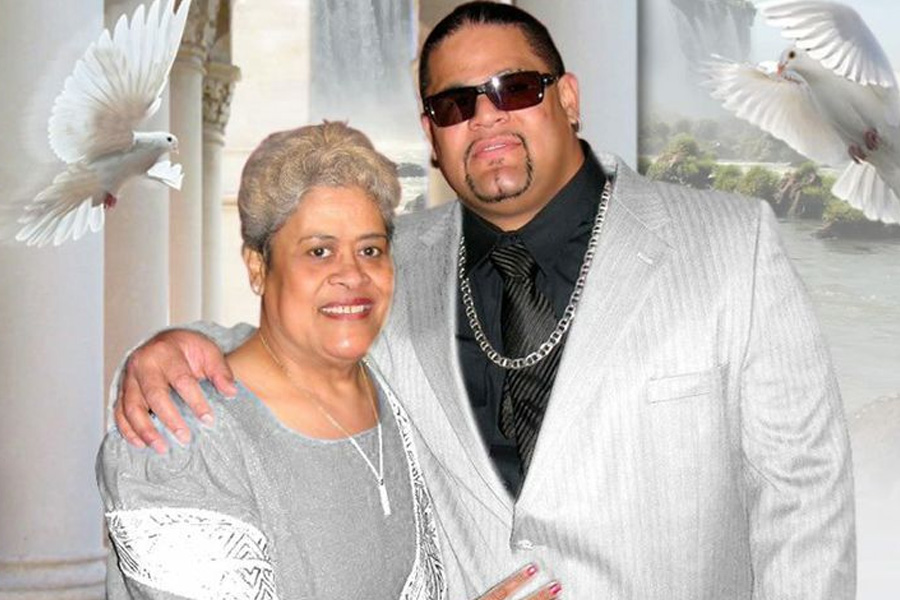
Vera’s life reads like a backstage scene in a long-running drama. She may not have been booked on main event posters, but the family lore that surrounds her — the photos, the anecdotes, the way grandchildren grew up with legacy stitched into their names — shows a different kind of stardom.
I think of her as the producer who never wanted the applause. In the wrestling business, where narratives are often boisterous and larger than life, Vera represents the unglamorous editorial voice — the person who reminds performers where they came from, who keeps traditions intact, and who does the heavy lifting of belonging. Her legacy is felt in the cadence of family interviews, in the way a grandson adopts a move or a heel’s nuance that echoes a great-uncle’s timing — tiny, human fingerprints passed down.
The public presence around her tends to spike at certain moments: family tributes, anniversaries, or when a new generation breaks through and reporters trace the lineage back to the matriarch. Otherwise, she exists in family albums, in social posts that frame a smiling, steady woman at the center of a crowd, and in the genealogical charts wrestling fans pore over the way comic-book readers study origin stories.
The Mythos and the Metaphor — Why I Keep Returning to Vera’s Story
Here’s the cinematic truth: families like the Anoaʻis read like serialized television — plot twists, alliances, baby-faced rookies rising to demigod status. Vera is a recurring, critical character in that long-running show. When I picture her I don’t see a single moment; I see a montage — kitchen laughter, road trips, training runs at dawn, whispered advice in locker rooms, and the slow, steady accumulation of grandchildren who’d one day headline pay-per-views. It’s myth-making, but human — a saga made of busy mornings and small mercies rather than blow-off-the-roof finales.
FAQ
Who was Vera Fatu?
Vera Fatu was the matriarch of a major Samoan wrestling family — a sister to Afa and Sika and the mother of several wrestlers — remembered for her role holding the family together.
Was Vera Fatu a professional wrestler?
No — public records and family accounts present her as a family matriarch rather than a professional performer.
When did Vera Fatu die?
Vera Fatu passed away in April 2008 after battling illness.
Who are some of her most famous children?
Her notable children include Solofa “Rikishi” Fatu Jr., Edward “Umaga” Fatu, and Samuel (Tonga Kid / Tama).
How many grandchildren did she have?
She was reported to have about 30 grandchildren, with several of them now active as performers.
Is Vera Fatu part of the Anoaʻi wrestling dynasty?
Yes — she is a central figure in the Anoaʻi family tree, connected by blood and marriage to a large network of wrestlers across multiple generations.
Did the family continue in wrestling after her passing?
Yes — multiple grandchildren and extended relatives have continued to perform and expand the family’s presence in the business.
What was her spouse’s name?
Her spouse was Solofa Fatu Sr., who was recorded as passing in 2020.