Key Takeaways
- The best vehicle is the one that supports everyday habits, not just occasional needs.
- Commute distance, passenger space, cargo needs, parking, and local weather should guide the decision.
- Gas, hybrid, plug-in hybrid, and electric vehicles each work better for different driving patterns.
- Monthly payments are only one part of ownership costs.
- A detailed test drive can reveal comfort, visibility, storage, and usability issues before purchase.
Choosing a new vehicle in Orlando means looking beyond color, trim, or the newest technology. The right fit should handle your normal commute, grocery runs, school drop-offs, weekend outings, and trips across Central Florida comfortably. Whether you are comparing sedans, SUVs, trucks, or vans, browsing options from Orlando RAM dealers can be more productive when you first understand what your daily routine actually requires.
Orlando drivers often balance busy expressways, stop-and-go surface streets, frequent afternoon rain, summer heat, and trips to nearby beaches, attractions, or outdoor destinations. A vehicle that works well for a short downtown commute may not suit a household that regularly carries children, sports equipment, work supplies, or luggage.
Start With A Realistic Picture Of Daily Driving
Before narrowing down a shortlist, take one typical week and write down how the vehicle will be used. Include the usual miles driven, the number of regular passengers, the items carried most often, and the kinds of roads traveled. An Orlando resident who mainly drives between home, work, and nearby errands may have very different needs from someone who commutes to Lake Mary, Kissimmee, or Lakeland several days each week.
It also helps to separate everyday needs from rare events. Buying a large three-row SUV solely for one annual family trip may not make sense if it will usually be driven alone and parked in crowded garages. On the other hand, a household that regularly transports children, grandparents, or bulky gear should prioritize accessible rear seating and practical cargo space. Comparing several options through Lakeland car dealerships can help shoppers see how different vehicle sizes and layouts feel in person.
Choose The Body Style That Fits Your Routine
Body style affects parking, passenger comfort, cargo flexibility, and fuel use. There is no universal best choice, so focus on the category that fits the demands of your life in Central Florida.
- Sedans: A practical option for commuters who value easier parking, a lower profile, and a conventional trunk.
- Compact SUVs: Useful for drivers who want a higher seating position and a cargo area that can accommodate groceries, strollers, or weekend bags.
- Three-row SUVs: Better suited to households that routinely carry more passengers or need flexible seating for family trips.
- Pickup trucks: Worth considering for frequent hauling, jobsite equipment, trailer use, or outdoor projects.
- Minivans: Often provide convenient sliding doors, flexible seating, and easy access for children or older passengers.
- Cargo vans: May suit contractors, delivery operators, and small businesses that need an enclosed room for tools or inventory.
Compare Gas, Hybrid, Plug-In Hybrid, And Electric Powertrains
Your driving pattern matters as much as the vehicle itself. Consider how easily you can refuel or charge, how often you take longer trips, and whether traffic-heavy driving is part of your usual route.
Gas-Powered Vehicles
Gas vehicles offer familiar refueling and can be convenient for long-distance driving, towing, or drivers who prefer the widest possible access to fuel stations. They may also have a lower initial price than a comparable electrified vehicle.
Hybrid Vehicles
Hybrids combine a gasoline engine with electric assistance and do not generally need to be plugged in. They can be a strong match for drivers who spend substantial time in Orlando traffic and want to reduce gasoline use without changing their refueling routine.
Plug-In Hybrid Vehicles
Plug-in hybrids can use electricity for some shorter trips while retaining a gasoline engine for longer journeys. They are most useful when charging is convenient at home or work and the vehicle is plugged in consistently.
Electric Vehicles
Electric vehicles use battery power and require a dependable charging plan. For many owners, home charging is the most convenient arrangement, while apartment residents should confirm building, workplace, or nearby public-charging access before committing.
Set A Vehicle Budget Beyond The Monthly Payment
A low monthly payment does not automatically mean a lower-cost vehicle. Compare the full picture, including the purchase price or lease terms, down payment, taxes and registration, financing charges, insurance, fuel or electricity, maintenance, tires, and expected resale value. Review at least three scenarios with different down payments and loan terms, then estimate costs based on the miles you genuinely expect to drive each year.
Match Features To Real-World Needs
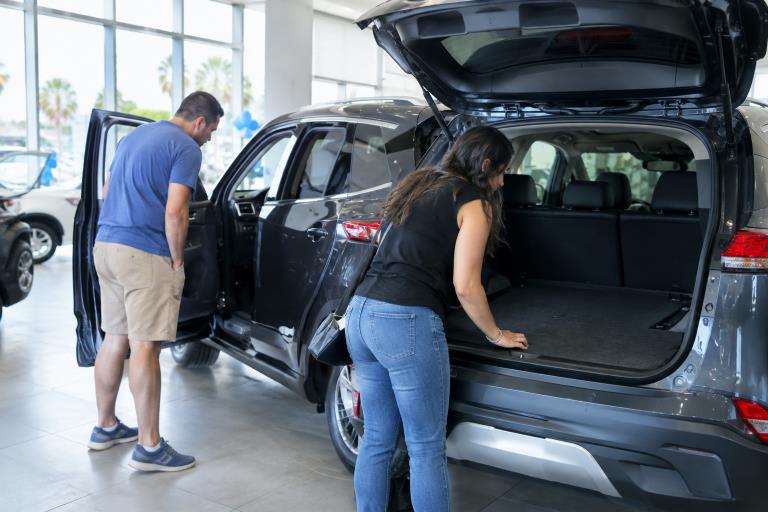
Useful features are the ones that solve regular problems. Drivers facing a long commute may value supportive seats, good climate control, and a quiet cabin. Families should check rear-seat legroom, child-seat access, cupholders, and storage. Bring a stroller, golf bag, work case, or other common item to confirm that the cargo area works with the seats, both upright and folded.
Driver-assistance systems can add useful alerts and support, but they do not replace attentive driving. During a visit, test the visibility, mirrors, camera views, touchscreen response, physical controls, phone connection, and ease of adjusting the air conditioning.
Consider Orlando Weather And Road Conditions
Florida heat and sudden rain deserve a place on the checklist. Strong air conditioning, effective defrosters, clear outward visibility, and tires in good condition all contribute to a more comfortable drive. Wet pavement can reduce traction, so all-wheel drive should not be treated as a substitute for appropriate tires, safe following distances, and lower speeds during heavy rain.
Think about where the vehicle will spend its time. A compact vehicle may simplify parking near downtown Orlando or busy retail areas. More ground clearance and cargo room may be useful for rural roads, recreation equipment, beach supplies, or regular family travel around the region.
Use Fuel Economy And Charging Tools
Before selecting a model, use the fuel economy comparison tools to review estimated mileage, annual fuel costs, and comparable vehicle classes. Looking at several models side by side makes it easier to judge whether a powertrain’s expected savings fit your driving habits.
Electric and plug-in hybrid shoppers should also understand their home setup. The Department of Energy explains that charging an electric vehicle at home may involve Level 1 or Level 2 equipment, with installation needs depending on the home and the desired charging speed.
Build A Smart Test-Drive Checklist
1.Bring everyone who will ride in the vehicle regularly.
2.Install a child seat if one will be used often.
3.Practice getting in and out of each frequently used seat.
4.Check cargo space with real items, not just published measurements.
5.Drive on local streets and faster roads when possible.
6.Listen for road noise and test the climate system.
7.Check visibility around the front, sides, and rear.
8.Request a written estimate that lists taxes, fees, financing, and optional equipment.
Conclusion
Finding the right new vehicle for Orlando, Florida, starts with an honest assessment of your routine. Compare body styles, powertrains, ownership costs, and features through the lens of your actual commute, passengers, cargo, and local driving conditions. With reliable research and a careful test drive, shoppers can choose a vehicle that feels right not only on purchase day, but also during the everyday miles ahead.