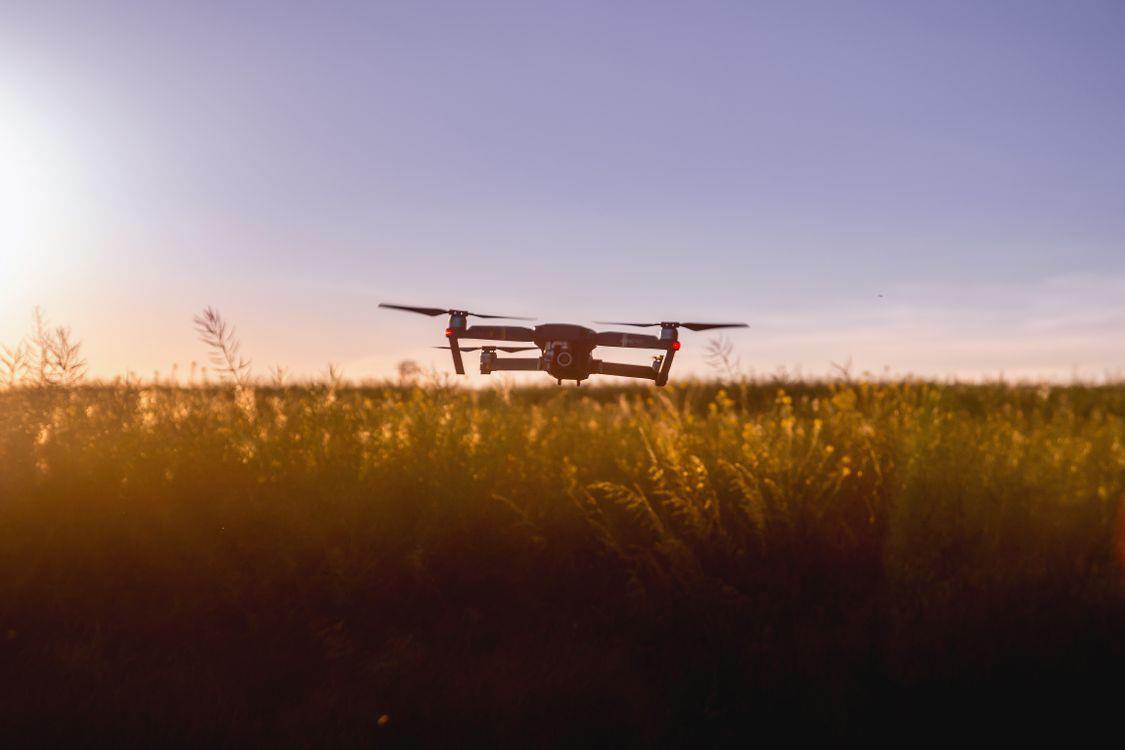
Industrial inspections once involved rope teams, scaffolding and helicopters: lots of risk.
Not anymore.
Inspection drones are revolutionizing infrastructure inspections of power lines, pipelines, bridges and cell towers making inspections quicker, safer and less expensive than traditional methods.
Here’s the kicker:
Not all drones are made equal. Off-the-shelf consumer drones just won’t cut it with the security, compliance and reliability demands of industrial sites. That’s where tested and ready platforms enter the picture.
Here’s why infrastructure inspection drones are streamlining industrial processes for operators everywhere.
What’s inside this guide:
- Why Infrastructure Inspection Drones Are Taking Over
- What Makes a Drone “Vetted” for Industrial Use?
- Industrial Workflows Getting a Drone Upgrade
- The Real Benefits of Going Drone-First
Why Infrastructure Inspection Drones Are Taking Over
The shift toward drone-based inspection isn’t a small trend. It’s a full-blown industry pivot.
Market researchers forecast that the drone inspection and monitoring market will expand from USD 15.2 billion in 20 25 to USD 61.5 billion by 20 35. Don’t delude yourself into thinking exponential growth like that just happens organically. It occurs when new technology demonstrates its superiority over existing alternatives.
Why is this happening? Three big reasons:
- Aging infrastructure: Bridges, power grids, and pipelines built decades ago need constant monitoring.
- Worker safety: It’s much safer to send a drone up a 200-foot tower than a person.
- Cost pressure: Operators need to cut inspection budgets without sacrificing data quality.
But wait…. There’s another issue that’s commonly overlooked…. Procurement mandates. Industrial operators who fly for federal contracts, critical infrastructure or government-adjacent work requires drones they can trust. It’s why operators looking to inspect infrastructure should ONLY be using NDAA-compliant America-made drones for serious infrastructure inspections. These platforms give you trusted data handling, encrypted communications, and defense-certified supply chains.
Otherwise your inspection program could be disqualified before it starts.
What Makes a Drone “Vetted” for Industrial Use?
The drone you purchase to make videos in your backyard is not the drone you fly when inspecting a 138kV transmission line.
Here’s what separates a vetted industrial drone from a consumer toy:
- Encrypted communication systems
- Secure software and data handling
- Robust payload options (thermal, LiDAR, zoom optics)
- Rugged build quality for harsh weather
- NDAA compliance for federal and critical infrastructure work
That last point is especially important these days. Regulation has evolved to the point where NDAA compliance is a requirement for many industrial customers. Many utilities and infrastructure providers simply will not field platforms that aren’t compliant… Even if they otherwise operate correctly.
Pretty serious, right?
Consider the cost as well. Industry benchmarks put total transition costs at an additional 10–20% over hardware costs to field NDAA-compliant fleets. Pilot training, workflow recreation and spare parts aren’t cheap. But consider the liabilities of not transitioning. Lost bids, re-survey liability and contract disqualification can add up quickly.
Industrial Workflows Getting a Drone Upgrade
The following are the top workflows benefiting from infrastructure inspection drones currently.
Power Lines & Utility Inspections
Trudging mile after mile of transmission lines or chartering a helicopter to inspect towers is downright barbaric. Slooooooow. Dangerous. Expensive.
Drones change everything.
One inspection drone can inspect miles of power line in minutes. Using thermal imaging and high definition cameras they can detect:
- Damaged insulators
- Vegetation encroachment
- Hot spots on conductors
- Structural corrosion on towers
That’s why North America held the largest share of 37.40% in drone surveillance market for energy & power industry in 20twenty5. Adoption by utility operators will be extensive since you can’t ignore the ROI.
Oil & Gas Pipelines
Pipeline operators have to monitor thousands of miles of infrastructure across remote terrain.
Drones excel at this. Fitted with gas detectors, thermal imaging cameras, and LiDAR sensors drones inspect pipelines and identify problems before they cause environmental catastrophes. Zero crew in the field. Zero danger to crew members.
Bridges & Civil Infrastructure
Bridge inspections traditionally require lane closures, snooper trucks, and rope teams.
Drones? Capture high-resolution images of undersides, joints and supports WITHOUT ever needing to close traffic. Inspectors can review while back in the office, zooming in on cracks to the millimeter.
A game-changer for cities and DOTs dealing with crumbling infrastructure on tight budgets.
Telecom Towers
Cell tower climbing ranks among the most hazardous occupations. Drone use significantly minimizes climbing needs by providing detailed photographs of antennas, mounts and structural components.
That means:
- Faster inspection cycles
- Fewer climber injuries
- Better data for maintenance planning
The Real Benefits of Going Drone-First
Why are so many operators switching? Four wins.
Massive Time Savings
Inspection of a bridge/power line using conventional methods may take days. With a drone, it can take hours. The data is uploaded and analyzed by the time they return to the office.
Lower Operating Costs
You eliminate helicopter rentals, rope team labour, scaffolding and lane closures. The global industrial inspection drone market size was valued at USD 1.85 billion in 2025 and is expected to expand at a CAGR of 13.6% to reach USD 4.72 billion by 2034. The major factor propelling growth is the cost savings associated with drones.
Better Data Quality
Drones are tireless. They won’t skip areas because they were trying to wrap up the flight before dark. Consistent flight lines and payload setups ensure standardized data collection.
That makes year-over-year comparisons way more reliable.
Reduced Risk to Personnel
This one gets the top vote for best. For every inspection that this technology performs, it means one less worker that had to climb, hang or traverse a remote pipeline corridor.
That alone justifies the investment.
Regulations Are Catching Up Fast
One thing that has held drone inspections back? Regulations.
However, that is evolving quickly. The FAA approved Beyond Visual Line of Sight (BVLOS) operations increased from 1,229 waivers in 2020 to 26,870 in 20 23. Inspections with longer ranges and larger areas are now possible for pipelines, utilities and rail networks.
Bringing It Home
Infrastructure inspection drones are no longer a “nice to have”. They are now table stakes for industrial workflows.
Whether you’re overseeing power grids, pipelines, bridges or telecom networks, the reasons to move to tested drone platforms are undeniable:
- Faster inspections
- Lower costs
- Better data
- Safer crews
- Compliance with federal procurement rules
The operators who are positioning themselves to win are the ones investing in vetted, NDAA-compliant platforms now. Those who delay will find themselves chasing after the teams who didn’t.
The technology is ready. The regulations are opening up. It’s time to reimagine inspection.