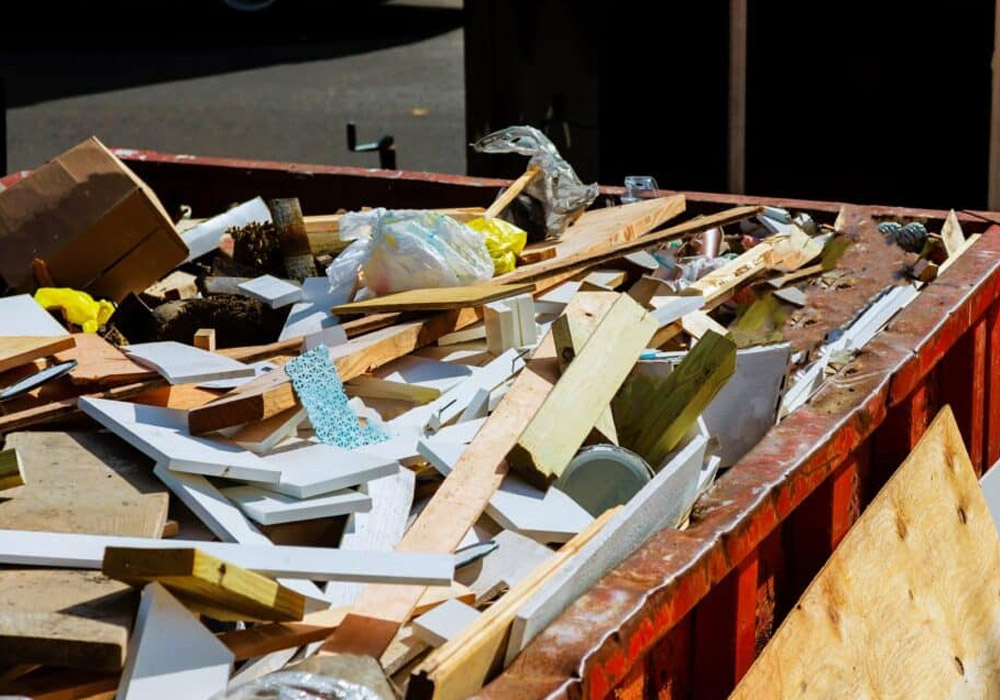
Managing waste from home projects requires organizing materials before loading a dumpster rental, as mixed debris can reduce usable space. Proper sorting helps prevent disposal issues and improves space efficiency. Because project waste varies by type, each category requires specific handling that affects how materials are grouped during loading. Here are a few tips for sorting materials in your dumpster rental:
Know Your Dumpster Size Options
The dumpster size influences how easily you are able to sort materials during loading. Containers with limited capacity require more planning because available space fills quickly, while larger containers provide greater flexibility for separating different types of debris. Smaller dumpsters work best when debris categories are organized before loading begins.
Grouping similar materials together reduces mixing and limits the need to rearrange items after they’ve been placed in the container. This is useful for clean-outs and small renovation projects, where space becomes limited early in the loading process. A larger dumpster rental is better suited for projects that generate large amounts of waste from multiple sources. In remodeling and construction work, bigger containers also make it easier to separate materials such as drywall, lumber, and fixtures into distinct areas.
Sort Construction and Renovation Debris
Material density determines how construction debris layers by influencing how components settle during placement. Broken-down roofing shingles form a stable base layer because compressed asphalt resists shifting under weight. Drywall broken into smaller fragments reduces dispersion, as its low rigidity allows pieces to spread between larger materials. Pre-cutting lumber into uniform sections supports more efficient stacking above denser debris. Load heavier materials, such as tile, first, with lighter materials, such as laminate, placed above them. This approach improves space efficiency and simplifies material handling. Disassemble old cabinets before disposal. Separate wooden panels from metal handles, hinges, and other hardware to keep similar materials together.
Separate Landscaping and Yard Waste
Grass, leaves, and plant clippings have low mass and compress under added weight. When placed with heavier debris such as wood or concrete, these materials move into gaps between denser items, reducing the open space inside the dumpster. Grouping light yard debris together keeps similar material types in one area during loading.
Branches and shrubs contain rigid pieces that create gaps between sections. Placing loose clippings among branches fills these gaps and increases compaction. Soil, sod, and rocks have higher density and settle under added weight. When placed above lighter yard waste, they shift downward and help compact materials. Placing soil in a separate layer at the bottom keeps heavier yard waste together and prevents it from covering lighter debris.
Avoid Hazardous and Prohibited Materials
Finding out which materials are prohibited by dumpster rental services helps maintain compliant waste placement during use. Prohibited items, such as paints, solvents, cleaners, oils, propane tanks, and other pressurized containers, must remain outside the dumpster at all times. Medical waste and pharmaceuticals are not allowed in a rental container; batteries and fluorescent bulbs are kept separate because they require different recycling and disposal processes. Appliances that contain refrigerants, such as refrigerators and air conditioning units, require removal of the refrigerant from their sealed cooling systems before disposal. Following these guidelines helps streamline disposal by reducing sorting issues and processing delays.
Hire a Dumpster Rental Company
Professional dumpster rental services provide containers for both residential and commercial cleaning projects. Providers supply containers in different size ranges, which enables renters to use them for a variety of materials and load weights. Material sorting during loading improves space use by separating heavy, bulky, and light debris into distinct loading positions. Contact a provider today to get a dumpster rental for your project.