Key Takeaways
- Plan exterior improvements as a single, integrated system, not as unrelated projects.
- Address active leaks, drainage problems, and safety issues before cosmetic updates.
- Roofing, windows, doors, flashing, gutters, insulation, and ventilation can affect one another.
- Installation quality and water management matter as much as the products selected.
- A phased plan can make a major exterior update more manageable for a household budget.
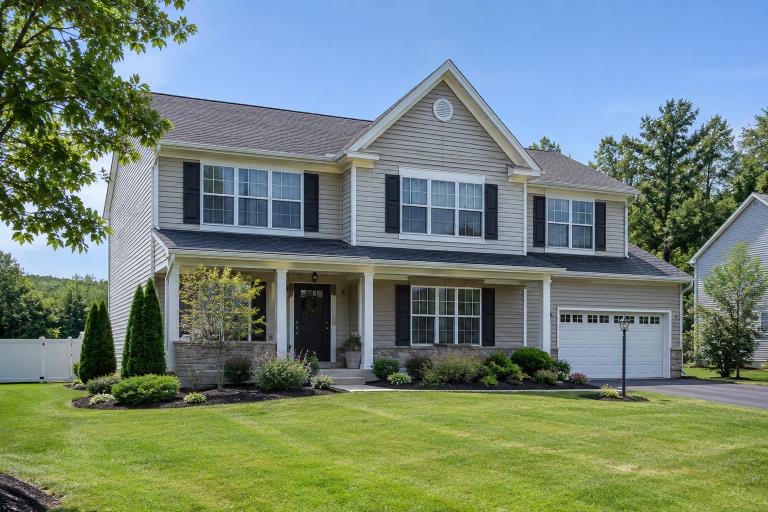
New Jersey homes face a wide range of exterior conditions, from winter freeze-and-thaw cycles to humid summers, wind-driven rain, and coastal weather in some communities. Whether you live in a brick colonial, a shore-area cottage, or a newer suburban home, a thoughtful exterior plan can help protect the structure while improving comfort and curb appeal. Homeowners considering home remodeling New Jersey projects should begin by looking at how every exterior component works together.
A roof, window, or front door may seem like a separate purchase, but each one connects to the home’s larger building envelope. Water must be directed away from the house, air leaks must be sealed, and materials around openings must be installed carefully. Planning the work in the right order can reduce the chance of damaging recently completed improvements.
Why Exterior Planning Matters
Exterior remodeling often involves several goals at once. You may want to stop drafts, replace aging shingles, reduce maintenance, improve security, or refresh the home’s appearance. Start by ranking those priorities before requesting estimates. A clear list helps contractors understand which repairs are essential and which design choices can be delayed.
For example, a roof replacement can involve more than shingles. It may affect flashing, gutters, attic ventilation, roof penetrations, and the condition of trim at the roofline. Likewise, replacing windows or doors may require careful attention to surrounding siding, insulation, caulking, flashing, and interior finishes.
Step 1: Start With a Full Exterior Inspection
Before choosing colors or materials, inspect the exterior as a complete system. Repeated stains, peeling paint, or damp areas inside the home may indicate a water-management issue rather than a simple cosmetic concern.
- Check roof shingles, valleys, vents, flashing, and visible sagging.
- Inspect gutters, downspouts, and the ground around the foundation for poor drainage.
- Look at window frames, locks, glass, trim, and signs of condensation or air leakage.
- Test exterior doors, thresholds, weatherstripping, and closing pressure.
- Review siding, masonry, caulk joints, paint, and wood trim for cracking, rot, or staining.
- Examine attic insulation and ventilation for moisture or mold-like odors.
- Include attached porches, decks, stairs, and railings in the inspection.
Step 2: Separate Urgent Repairs From Appearance Goals
- Immediate concerns: Active leaks, loose railings, damaged flashing, unsafe roof areas, or water entering the home.
- Performance concerns: Drafty rooms, hard-to-open windows, condensation, poor ventilation, or doors that do not seal properly.
- Appearance updates: New colors, decorative entry doors, upgraded trim, exterior lighting, and other visual improvements.
Water and safety issues should take priority. Repairing compromised flashing before installing new trim, for instance, can help prevent moisture from later damaging the fresh work.
Roofing: Check the Top of the System First
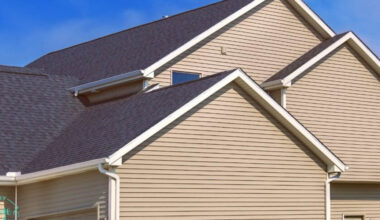
The roof is often the first area to evaluate because it protects nearly everything below it. Missing or lifted shingles, exposed fasteners, dark moisture marks, damaged vents, loose flashing, and excessive granules in gutters can all justify a closer professional assessment.
A limited repair may be appropriate when damage is isolated, and the rest of the roof remains sound. Replacement may be the more practical path when deterioration is widespread, leaks recur, or multiple roof components are nearing the end of their useful service life. Ask prospective contractors about underlayment, flashing details, ice-and-water protection, attic ventilation, cleanup, disposal, and weather-related scheduling.
Windows and Doors: Prioritize Fit, Sealing, and Installation
New windows can improve operational, maintenance, and comfort performance, but product labels alone do not guarantee results. The opening must be measured correctly, and the installation should manage air and water around the frame. Ask how old units will be removed, how openings will be flashed and insulated, and how trim will be restored.
Exterior doors deserve the same attention. A quality door should have a sturdy frame, durable hardware, reliable weatherstripping, a properly fitted threshold, and a locking system that works smoothly. If a door needs excessive force to close or has visible gaps around the frame, it may allow drafts, moisture, and outdoor noise into the home.
Energy Savings Begin With the Building Envelope
A single upgrade does not create energy performance. Air leakage, insulation, windows, doors, roofing, and ventilation all influence how a home handles heating and cooling. Replacing a single drafty window may help that room, but broader comfort concerns can persist if other exterior gaps go unaddressed.
Some energy-related improvements may qualify for federal tax benefits for home improvements, but requirements, product standards, and timing can change. Review current information before ordering qualifying products so purchase decisions are based on current facts rather than assumptions.
How to Build a Phased Remodeling Plan
When completing everything at once is not practical, use a sequence that protects the home first:
- Correct active leaks and safety hazards.
- Address drainage, gutters, flashing, and ventilation.
- Replace windows or doors with major water-entry or draft problems.
- Repair siding, trim, masonry, or sheathing affected by damage.
- Add appropriate insulation and air sealing.
- Finish paint, color changes, lighting, and decorative details.
The right sequence can vary. A roof project may need to happen before attic improvements, while siding work may affect the final detailing around replacement windows.
Budgeting and Contractor Questions
Exterior project costs vary based on home size, access, materials, labor, permits, demolition, hidden damage, and disposal. Request itemized estimates that explain the scope of work instead of comparing only a single total price. Keep a reserve for concealed deterioration, especially around older windows, roof edges, porches, and previously leaking areas.
Before hiring, ask whether the contractor is properly licensed and insured, who will perform the installation, how the property will be protected, how hidden damage will be handled, what warranties apply, whether permits are included, and how cleanup will be managed each day.
Frequently Asked Questions
Should the roof or the windows be replaced first?
Active roof leaks and structural concerns generally come first. If both systems need work, coordinate the sequence around flashing, siding, trim, and access so that one project does not compromise the other.
Can exterior remodeling lower energy bills?
It may reduce drafts and heating or cooling demand, but results depend on the home’s condition, insulation, climate, equipment, and household habits.
Is it better to remodel all at once?
A single coordinated project can simplify scheduling, while phased work may be easier on cash flow and daily routines. The best approach is the one that addresses urgent building needs without overextending the budget.
Plan for Performance, Not Just Appearance
A successful New Jersey exterior update should protect the home from water damage, improve comfort, support efficient energy use, and align with the household’s priorities. Begin with a complete inspection, fix urgent concerns first, compare detailed scopes of work, and ensure each upgrade supports the next.