Key Takeaways
- Smart technology, like programmable controls and water-saving systems, enhances convenience and sustainability.
- Natural materials such as wood and textured stone add warmth and serenity to shower settings.
- Open-concept layouts, including wet rooms, support accessibility and a sleek visual flow.
- Personalized features, such as custom benches and mood lighting, nurture a spa-like ambiance.
Modern shower design is rapidly evolving, blending cutting-edge technology, thoughtful aesthetics, and practical solutions to create tailored, spa-like environments at home. Whether enhancing a primary bath or transforming a small en suite, today’s homeowners prioritize spaces that feel both personal and luxurious. For those planning a bathroom update or shower remodel, understanding the latest trends is key to shaping spaces that combine beauty, comfort, and sustainability.
From intelligent features to bold material choices, showers are transforming into daily sanctuaries that promote relaxation and convenience. Designers are moving away from traditional conventions, opting instead for details that delight the senses and reduce environmental impact. The integration of technology, natural materials, and open spaces all play a pivotal role in redefining modern shower experiences.
Smart Technology Integration
Contemporary showers are leveraging smart technology to elevate both convenience and efficiency. Programmable systems control water temperature and flow for a fully customized showering experience, while features like motion-activated lighting and digital assistants further enhance accessibility. Notably, water-recycling innovations such as Kohler’s Anthem EvoCycle system are setting new standards for sustainable comfort by purifying and recirculating up to 80 percent of shower water, helping households reduce their environmental impact.
Natural Materials and Textures
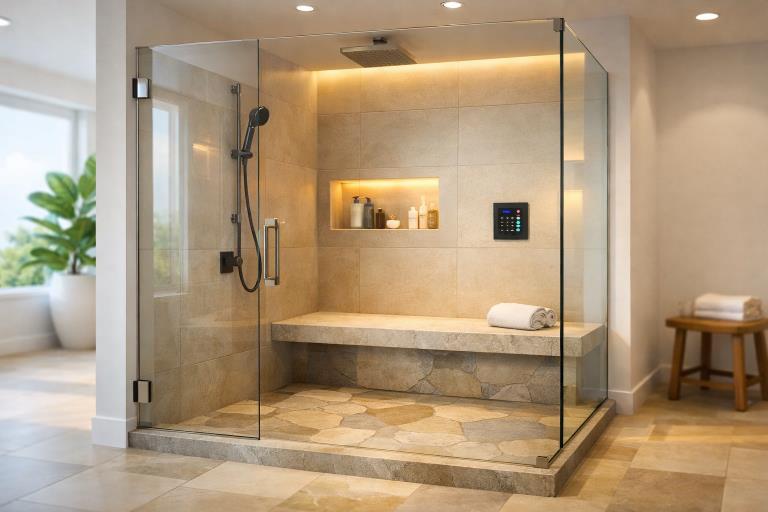
Incorporating natural materials is growing in popularity, as homeowners and designers seek to bring a sense of peace and connection to nature into the bathroom. Elements such as wood, stone, or pebble tiles add tactile richness and a unique aesthetic. Unlike the sterility sometimes associated with modern minimalism, this approach values variation, imperfection, and authenticity. Designers frequently select textured surfaces and organic shapes to evoke tranquility and enhance comfort underfoot.
Open-Concept Designs
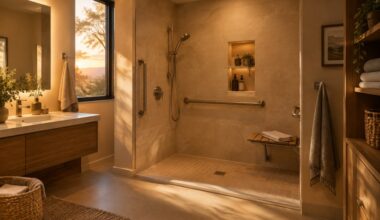
Open-concept showers, often referred to as wet rooms, are experiencing a surge in interest for their streamlined look and increased accessibility. These layouts eliminate traditional barriers like doors or high transitions, making the entire bathroom feel more expansive and cohesive. According to a recent Houzz survey, wet rooms now feature in roughly 16 percent of remodeled bathrooms in the United States, a testament to their growing appeal for both style and practical aging-in-place solutions. Open designs also make cleaning simpler and amplify the room’s natural light, contributing to an airy, welcoming atmosphere.
Personalized Spa-Like Features
Creating a personal sanctuary has become a central focus in modern shower remodeling. Features such as quartz or teak benches, integrated shelving, chromotherapy lighting, and even waterproof speakers transform functional spaces into havens for relaxation. Aromatherapy steam options and rainfall showerheads further blur the line between everyday routines and luxury spa treatments. These custom touches invite users to unwind and prioritize self-care within their own home.
Sustainable and Water-Efficient Solutions
Sustainability is no longer a niche concern but a leading trend in bathroom design. Many showers now feature low-flow fixtures and aerated showerheads to reduce water consumption without sacrificing comfort. Some cutting-edge systems incorporate greywater recycling, while manufacturers continue to introduce tile, glass, and stone products with eco-friendly credentials. This shift not only eases strain on public resources but also aligns with the priorities of environmentally conscious consumers.
Bold and Moody Aesthetics
While classic white bathrooms maintain broad appeal, designers are also embracing the use of darker, more daring tones within shower spaces. Inky blues, matte charcoals, and dramatic textures create a cocooning effect, fostering a sense of intimacy and opulence. These bold backdrops are balanced by metallic or warm wood accents, showcasing a personalized and fashion-forward approach to shower design. Such palettes help bathrooms feel like unique, expressive retreats.
Enhanced Lighting and Ambiance
Lighting has evolved beyond a practical consideration, becoming a vital element in shaping the mood of a shower space. Warm, ambient LEDs, layered sconces, and even statement pendant lights are increasingly used to create visual interest and enhance comfort. Floor-to-ceiling curtains, backlit mirrors, and soft night lighting add to both functionality and coziness, ensuring the shower can transition seamlessly from rejuvenating mornings to relaxing evenings. The right lighting strategy can transform routine activities into moments of calm and indulgence.
Conclusion
The evolution of modern shower design highlights a broader movement toward spaces that are user-focused, environmentally responsible, and rich in experience. By prioritizing smart features, natural elements, and well-curated aesthetics, homeowners can craft bathrooms that are not only practical but feel like personal sanctuaries. Following these trends ensures that any new shower remodel will offer a blend of comfort, luxury, and lasting value.