Key Takeaways
- Dust, odors, humidity, and uneven temperatures often have more than one cause.
- Oklahoma City homes benefit most from controlling moisture and pollution sources before buying add-on equipment.
- Correct filter fit, open return vents, and balanced airflow support cleaner, more comfortable indoor spaces.
- Air duct cleaning can help in specific situations, but it is not a cure for every indoor air complaint.
A clean-looking Oklahoma City home can still feel dusty, stale, or unevenly cooled. Central HVAC systems continually pull air through return grilles, filters, equipment, and supply ducts, carrying along particles from pets, cooking, cleaning products, outdoor pollen, construction projects, and everyday activity. A single symptom, such as a musty odor or fast-returning dust, does not always identify the actual source.
When debris is visible at registers, remodeling dust has entered the system, or persistent odors appear connected to ductwork, a professional air duct cleaning service in Oklahoma City may be worth considering. However, the best result comes from first identifying whether moisture, filtration, return-air leaks, or restricted airflow is contributing to the problem.
Start With the Source of the Problem
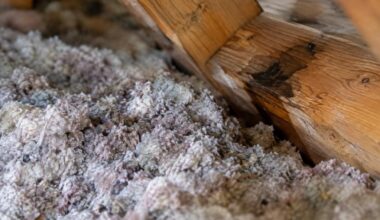
Source control is usually the most practical first move. Fix water leaks, remove damp materials, avoid indoor smoke, contain sanding dust, and use exhaust fans when cooking or showering. The three-part approach of source control, ventilation, and filtration helps homeowners avoid relying on one product to solve every problem. An air purifier may capture some airborne particles, but it cannot repair a leaking pipe, dry wet insulation, or eliminate the cause of recurring odors.
How Moisture Affects Oklahoma City Homes
Oklahoma City weather can bring humid stretches, heavy rain, sharp temperature changes, and long cooling seasons. Those conditions can make indoor moisture harder to manage, especially in crawl spaces, basements, bathrooms, kitchens, around windows, and near HVAC condensate drains. Excess humidity can leave rooms clammy and encourage musty smells.
Use a simple digital hygrometer for several days in frequently used rooms. Many homes are most comfortable when indoor relative humidity stays near 30% to 50% when practical. Condensation on windows, visible mold, repeated water damage, or damp HVAC components require source correction and a proper evaluation rather than surface cleaning alone.
Signs That Airflow May Be the Real Issue
Airflow problems can make indoor air feel worse even when the house is tidy. Watch for these warning signs:
- One room stays much warmer or cooler than the rest of the home.
- Airflow is weak from selected supply vents.
- Dust returns soon after cleaning, or filters load unusually fast.
- The system makes whistling, rattling, or unusual blower noises.
- Cooling cycles run too long, or the equipment starts frequently.
Closed dampers, furniture blocking return grilles, crushed flex duct, duct leaks, and clogged filters can all affect comfort. Keep supply registers and return grilles open and clear. Do not close multiple vents in an attempt to force more air into another room, since that can create new balance problems.
Choosing and Using HVAC Filters Correctly
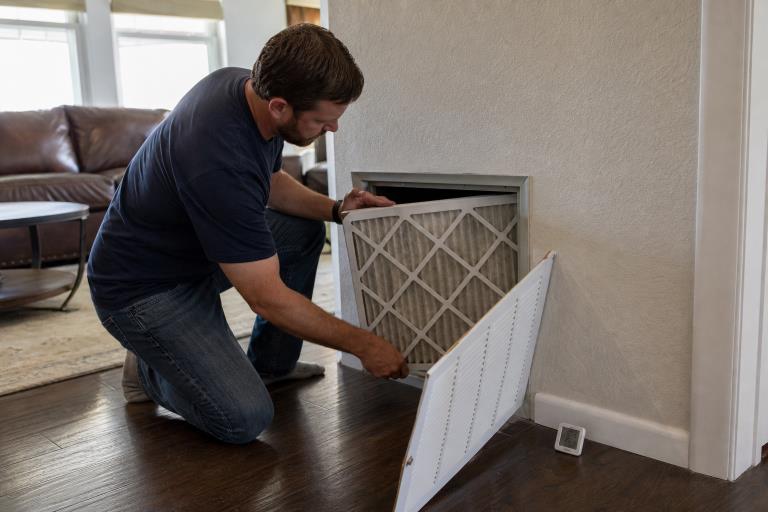
MERV is a filter rating that indicates how effectively a filter captures particles of different sizes. A higher rating is not automatically better if it restricts airflow beyond what the HVAC system can handle. Choose a filter appropriate for the equipment, install it in the correct direction, and make sure it fits snugly without gaps around the frame.
Check filters monthly during high-use periods, particularly in homes with pets, open windows, nearby road dust, or renovation work. Replace a dirty, damaged, or poorly fitting filter promptly. If filters become dirty within a few weeks, investigate return leaks, construction dust, or an underlying airflow issue instead of simply moving to a more restrictive filter.
When Air Duct Cleaning May Make Sense
Duct cleaning is most useful when there is visible debris inside ducts or registers, significant construction dust after remodeling, pest material, unusual contamination, or persistent odors tied to the HVAC system. It should not be sold as a universal answer to ordinary household dust.
Before approving work, ask for an inspection and a written scope. A useful recommendation should distinguish between cleaning, damaged duct repairs, dirty coils, return-air leaks, insulation concerns, and filtration improvements. Cleaning settled debris will not stop new dust from entering through gaps, attic pathways, pets, or outdoor air leaks.
Ventilation and Air-Cleaning Add-Ons
Kitchen and bathroom exhaust fans remove moisture and odors where they begin. Opening windows can help when outdoor conditions are mild, and air quality is good, but it may not be useful during high pollen days, smoke events, extreme heat, or humid weather. Homes needing consistent fresh-air exchange may benefit from professionally designed balanced ventilation.
Portable air cleaners and central HVAC filtration can be helpful for certain particle concerns, but they do different jobs. Review product documentation carefully and avoid devices that promise to remove every pollutant or may produce ozone. Add-ons should support, not replace, moisture management, source control, and dependable airflow.
Dryer Vent Care Belongs on the Maintenance List
A restricted dryer vent increases drying time, heat, and moisture in the laundry area. Clean the lint screen after every load, verify that the exterior vent flap opens during a cycle, and schedule inspection when drying takes longer, the dryer feels unusually hot, or exterior airflow is weak. The risk created by failure to clean dryer exhaust systems is also a home fire safety concern. Stop using the dryer if you smell burning lint or see scorch marks.
Safe DIY Checks and When to Call a Professional
- Inspect the HVAC filter for dirt, damage, and poor fit.
- Clear furniture, curtains, and storage away from return grilles.
- Vacuum register covers without pushing tools deep into ductwork.
- Track humidity readings and look for water near indoor HVAC equipment.
- Run kitchen and bathroom exhaust fans during moisture-producing activities.
Professional help is the safer choice for hidden duct damage, electrical components, damp equipment, suspected contamination, repeated odors, major room-to-room temperature differences, or rapid filter loading. A thorough inspection may include supply and return ducts, blower and coil condition, condensate drainage, humidity measurements, airflow testing, and possible moisture sources.
Common Questions About Cleaner Indoor Air
Can a better filter fix musty odors?
Not usually. Filters capture particles, while musty odors often point to moisture, dirty coils, damp insulation, blocked drains, or water intrusion.
Should every home have an air purifier?
No. A purifier can be useful for a specific particle concern, but it should be selected after the underlying problem is understood.
How often should dryer vents be checked?
Annual inspection is a useful starting point for many households, although long vent runs, multiple bends, and frequent laundry may require more attention.
A Simple Indoor Air Maintenance Plan
- Monthly:Check filters, clear return grilles, and review humidity readings.
- Seasonally:Inspect visible duct connections, exhaust fans, and the outdoor dryer vent.
- After remodeling or water damage:Change filters more often and correct moisture problems quickly.
- When symptoms continue:Schedule an inspection instead of purchasing multiple products at random.
Cleaner indoor air in Oklahoma City begins with a clear diagnosis. Control moisture, improve airflow, use the right filter, remove pollutants at their source, and add equipment only when it fits the problem. Those practical steps can make a home fresher, more comfortable, and easier to maintain throughout 2026.