Key Takeaways
- Michigan’s changing weather can put added strain on tires, batteries, brakes, wipers, fluids, and suspension components.
- Seasonal checks can uncover small issues before they develop into expensive repairs or roadside problems.
- Tire condition, battery health, visibility, and fluid levels deserve attention year-round.
- Road salt and potholes can create damage that is not always obvious during a quick walk-around.
- The best maintenance plan follows both the owner’s manual and the vehicle’s real-world driving conditions.
Michigan drivers can experience icy mornings, spring potholes, summer heat, heavy rain, and early snow within the same year. A practical seasonal routine makes it easier to protect your vehicle, avoid preventable surprises, and drive with greater confidence. For additional guidance and options on vehicle service, learn more before scheduling your next maintenance visit.
Seasonal car care should support, not replace, the maintenance schedule in your owner’s manual. Some services are based on mileage, while others are recommended after a certain number of months or years. Tracking both helps ensure that a low-mileage vehicle does not miss important inspections.
Why Seasonal Car Care Matters In Michigan
Weather changes affect more than comfort. Cold temperatures can weaken battery performance and lower tire pressure, while heat can challenge the cooling system, air conditioning, and aging hoses. Rain, slush, salt, and rough pavement can also accelerate wear. A vehicle that feels dependable during a mild July commute may need extra preparation before a January cold snap.
Spring Checklist: Inspect For Winter Damage
Spring is an ideal time to inspect what winter left behind. Start with a thorough wash, including the undercarriage, to remove accumulated road salt and grime. Salt can accumulate in hard-to-see areas and contribute to corrosion over time.
- Look for rust, loose trim, damaged splash shields, and cracked plastic panels.
- Inspect tires for cuts, bubbles, uneven wear, or reduced tread depth.
- Pay attention to brake noise, vibration, pulling, or a soft brake pedal.
- Check the driveway or garage floor for oil, coolant, or other fluid leaks.
- Schedule an alignment check if the vehicle pulls or the steering wheel is off-center.
Pothole impacts can bend a wheel, damage a tire, or disturb alignment without creating an immediate warning light. If the steering suddenly vibrates or the ride feels different after a hard impact, arrange an inspection promptly.
Summer Checklist: Prepare For Heat And Long Trips
Summer heat can expose weak components, especially during long trips with passengers, luggage, and air conditioning running. Check coolant levels only when the engine is cool, and watch for overheating, sweet smells, or visible leaks. Inspect belts and hoses for cracking, fraying, swelling, or soft spots.
- Test the air conditioning before the hottest part of the season.
- Measure tire pressure when tires are cold, not after highway driving.
- Have an older battery tested before a vacation trip.
- Pack water, a phone charger, a flashlight, and basic roadside supplies.
- Remove unnecessary cargo to reduce weight and improve fuel efficiency.
Fall Checklist: Get Ready For Cold Weather
Fall preparation is easier and safer than waiting for the first major storm. Test the battery, clean corrosion from terminals, and make sure the heater, front defroster, and rear defroster work properly. Replace worn wiper blades and fill the washer reservoir with fluid rated for freezing weather.
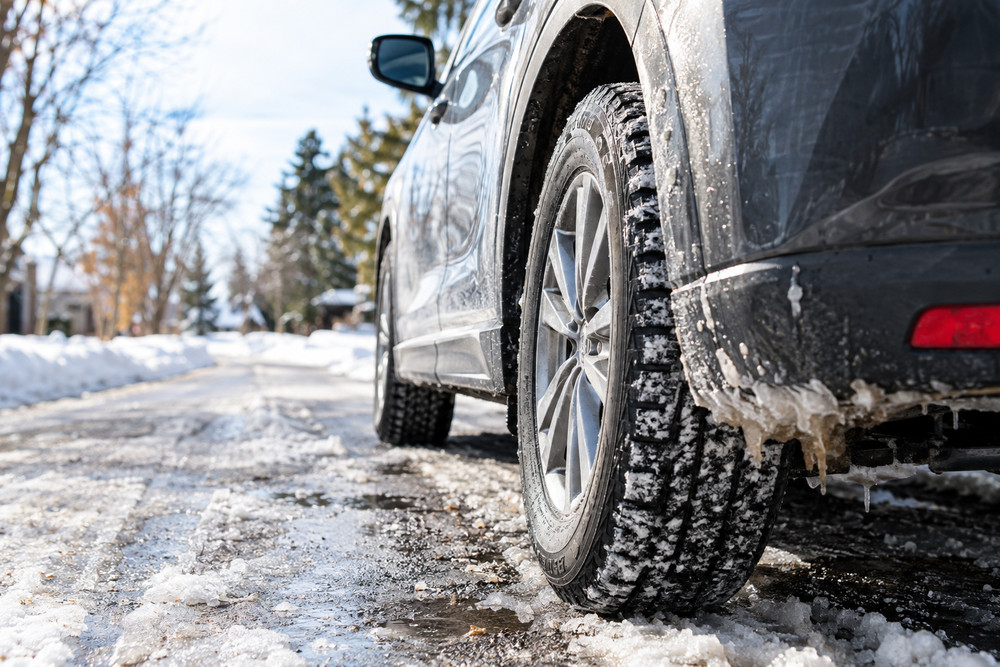
Check headlights, brake lights, turn signals, and hazard lights as daylight hours shorten. This is also a good time to review tire tread and consider whether winter tires make sense for your commute, parking situation, and usual road conditions.
Winter Checklist: Protect Safety And Reliability
Winter driving demands traction, visibility, and reliable starting power. Keep an ice scraper, snow brush, gloves, warm clothing, a blanket, flashlight, first-aid supplies, water, shelf-stable snacks, reflective triangles, and a phone power bank in the vehicle. Michigan’s recommended winter emergency supplies also include practical items such as jumper cables, a shovel, and traction material.
Keep enough fuel or battery charge for delays and detours. Never warm up a vehicle in a closed garage, and avoid using cruise control on snowy, icy, or otherwise slippery roads.
Tires And Battery: Two High-Priority Checks
Tires and batteries deserve year-round attention because they affect whether a vehicle can start, stop, and stay under control. Tire pressure often drops as temperatures fall, so check it at least monthly and before long drives. Use the recommended pressure on the driver-side door-jamb label, not the maximum pressure printed on the tire sidewall.
Schedule service for steering-wheel vibration, uneven wear, sidewall damage, repeated air loss, slow cranking, dim lights, clicking during startup, or visible battery corrosion. Battery life varies based on age, climate, and driving habits.
How To Respond To Pothole And Salt Damage
After a strong pothole impact, move to a safe location and check for a flat tire, warning lights, fluid leaks, steering changes, or new noises. When it is safe, photograph the hazard and any visible damage, then note the location and time. This information may be useful when discussing repairs or insurance.
For salt protection, rinse the underbody regularly during winter and again in early spring. Corrosion often begins beneath the vehicle, where it can remain unnoticed until a component or fastener is affected.
How To Build A Simple Maintenance Calendar
A simple calendar turns seasonal care into a manageable habit:
- Early spring: Remove salt, inspect brakes, tires, alignment, suspension, and leaks.
- Early summer: Check cooling, air conditioning, battery condition, tires, and trip supplies.
- Early fall: Test the battery, lights, wipers, heater, defrosters, and washer fluid.
- Early winter: Restock the emergency kit, confirm tire pressure, and prepare for poor traction.
Keep records in a phone app, spreadsheet, or paper folder. Include the date, mileage, work completed, parts used, and the next recommended service.
Common Questions About Seasonal Car Care
How Often Should Tire Pressure Be Checked?
Check it at least once a month and before long trips. Always measure pressure when tires are cold.
Should Every Michigan Driver Use Winter Tires?
Not necessarily. The decision depends on local roads, commute distance, driving frequency, storage space, and comfort level in snow and ice.
When Should A Vehicle Receive A Professional Inspection?
Book an inspection before a major trip, after a severe pothole impact, before winter, or whenever braking, steering, warning lights, leaks, or unusual noises raise concern.
Can Seasonal Checks Replace Routine Maintenance?
No. Seasonal checks add another layer of care, but they do not replace oil changes, tire rotations, fluid services, brake work, or other manufacturer-recommended maintenance.
Final Thoughts
Vehicle care does not need to be complicated. A few focused checks each season can help Michigan drivers catch wear early, prepare for difficult weather, and reduce the likelihood of an unexpected breakdown. The most effective plan is one that fits your vehicle, your schedule, and the roads you travel throughout 2026.