Key Takeaways
- A staircase fall may support a legal claim when a dangerous condition caused the injury.
- Broken steps, loose handrails, poor lighting, missing warnings, and uneven surfaces can all be problems.
- Medical care, photos, witness information, and an incident report can help preserve evidence.
- Property owners are not automatically responsible just because someone fell on their stairs.
- State laws, shared-fault rules, and filing deadlines can affect whether a lawsuit is possible.
A staircase trip and fall can cause serious injuries, including fractures, head trauma, back injuries, torn ligaments, and lasting mobility problems. Whether you can sue depends on why you fell, who controlled the property, whether the stairway was unsafe, and whether that condition caused your injury. A discussion with Philly Slip and Fall Guys may help an injured person understand how the facts of a particular accident could affect a potential claim.
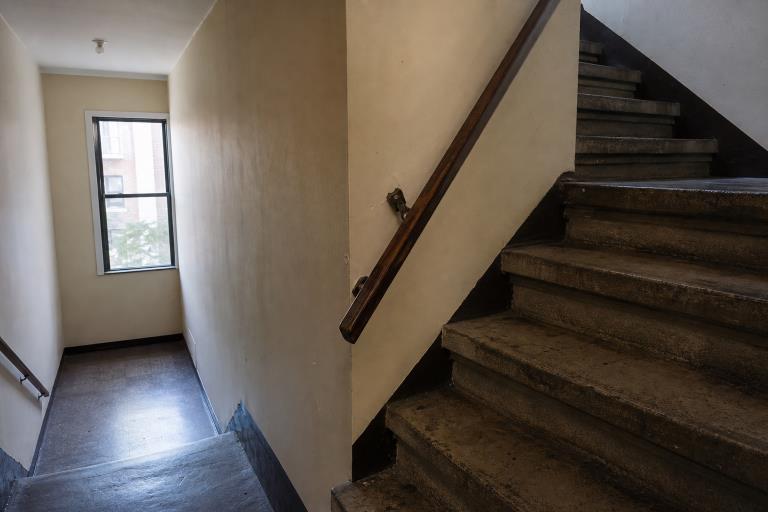
Not every stairway accident creates liability. People can lose balance, miss a step, wear unsuitable footwear, or be distracted. However, a claim may be worth investigating if the fall involved a known or preventable hazard, such as a cracked tread, a loose carpet edge, a missing handrail, inadequate lighting, liquid on the stairs, or an unusually uneven stair height.
When a Staircase Fall May Lead to a Lawsuit
A lawsuit may be possible when a property owner, landlord, business, tenant, maintenance company, or another responsible party failed to use reasonable care in maintaining a staircase. In broad terms, premises liability claims focus on whether the person responsible for the property knew, or reasonably should have known, about a dangerous condition and failed to repair it or provide an adequate warning.
For example, a grocery store may be responsible for a wet stairwell that was left unaddressed after employees were notified. A landlord may face questions about a broken handrail in a shared apartment stairway. A homeowner may have a duty to address a dangerous, loose step before inviting guests over. The details, including state law and the visitor’s reason for being on the property, are important.
Common Dangerous Stairway Conditions
Stairs present risks even when they appear ordinary. A hazard may be visible only after a close inspection, which is why photographs and prompt documentation can be so important.
- Loose, missing, or unstable handrails.
- Broken, cracked, warped, or uneven steps.
- Torn carpeting, curled mats, or loose stair runners.
- Water, ice, grease, cleaning products, or other slippery substances.
- Burned-out lights, dark stairwells, or missing light switches.
- Missing warning signs near a temporary hazard.
- Objects, cords, boxes, or debris left on stairs.
- Building-code issues, such as inconsistent riser heights or inadequate stair dimensions.
What You Need to Prove
Although legal standards vary, an injured person generally needs evidence showing that there was a dangerous condition, the responsible party was negligent, the condition caused the fall, and the fall resulted in actual damages. General information about these elements, including notice and comparative negligence.
Notice is often a key dispute. “Actual notice” means someone responsible for the property knew about the problem. “Constructive notice” means the hazard existed long enough, or was obvious enough, that reasonable inspections should have revealed it. A freshly spilled drink may raise different questions than a stair tread that had been loose for months.
What To Do After Falling on Stairs
Health should come first. Do not stand immediately if you have severe pain, dizziness, numbness, trouble breathing, confusion, or a possible head or neck injury. Ask someone to call emergency services when appropriate, and follow through with a medical evaluation even if symptoms seem manageable at first. Some soft-tissue injuries and concussions become more apparent later.
After receiving necessary care, report the incident to the manager, landlord, owner, or another person in charge. Give a factual account of the time, location, and condition involved. Avoid guessing about the cause, minimizing the injury, apologizing, or saying the fall was your fault. If an incident report is created, request a copy or write down the report number and the employee’s name.
Evidence That Can Strengthen a Claim
Conditions can change quickly. A business may clean a spill, replace a bulb, or repair a broken stair soon after an accident. If you are physically able or if someone can assist you, gather information before the scene changes.
- Take clear photos and videos of the stairway, hazard, handrails, lighting, and warning signs.
- Photograph visible bruising, cuts, damaged clothing, and the shoes worn during the fall.
- Get names and contact information for witnesses.
- Preserve the shoes and clothing rather than washing, repairing, or discarding them.
- Keep medical records, prescriptions, receipts, work-loss information, and transportation expenses.
- Write down what happened while the details are still fresh.
Falls can also be reduced through practical safety measures. For example, the CDC recommends measures such as improving lighting, removing trip hazards, and using railings on both sides of stairs as part of its guidance on preventing falls and hip fractures.
Who May Be Responsible
The owner is not always the only possible defendant. Responsibility may rest with a commercial tenant operating a store, a landlord responsible for common areas, a property management company, a contractor hired to repair or clean the building, or a snow-removal company that created an icy condition near an exterior stairway. Government-owned properties may involve special procedures and shorter notice deadlines.
How Shared Fault Can Affect Recovery
The other side may argue that you were partly responsible because you were looking at a phone, ignored a warning, used a restricted stairway, wore unsafe shoes, or failed to use an available handrail. Depending on the state, shared fault can reduce compensation or, in some circumstances, prevent recovery. Being partly at fault does not necessarily end the matter, but it can significantly affect the outcome.
Potential Compensation
When liability can be established, compensation may include medical bills, future treatment, rehabilitation, lost wages, reduced earning capacity, out-of-pocket expenses, and pain and suffering where permitted. The value of a claim depends on the severity of the injury, medical evidence, insurance coverage, the strength of the liability proof, and applicable law. No responsible professional can promise a specific result or settlement amount.
When To Speak With a Lawyer
Consider seeking legal advice promptly if the fall caused a fracture, surgery, head injury, prolonged treatment, missed work, permanent limitations, or a dispute about what happened. Early review can help identify surveillance footage, maintenance logs, inspection records, prior complaints, and witnesses before important evidence disappears. It can also help an injured person understand the filing deadlines that apply in the state where the staircase fall occurred.
Bottom Line
You may be able to sue for a staircase trip and fall injury if an unsafe condition caused the accident and a responsible party failed to take reasonable steps to address it. Prompt medical care, careful documentation, and timely action can make a meaningful difference when evaluating your available options.