From Ruins to Routines
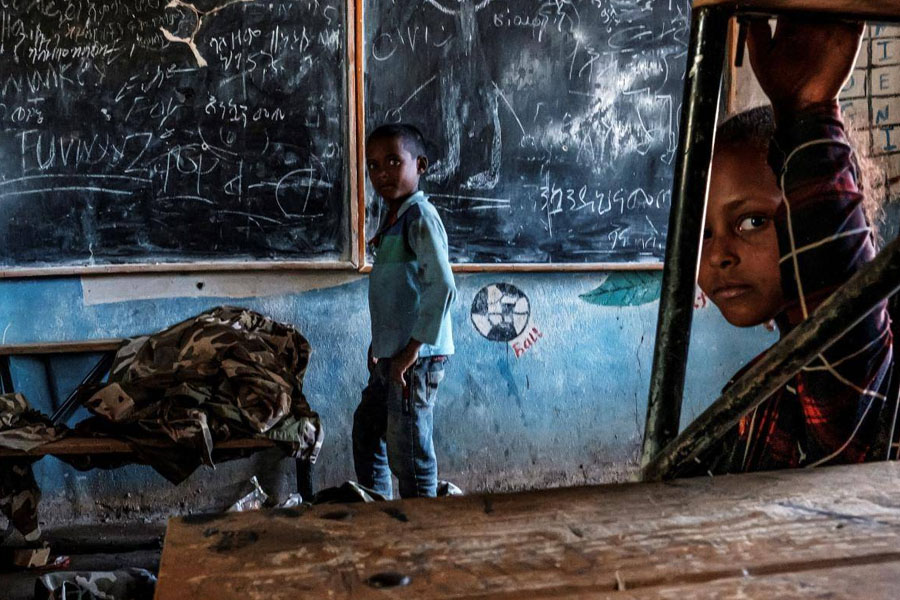
In locations with collapsed roofs and chalk dust on broken floors, a new building is hardly the first win. A schedule. Children reunite, hear their names, and learn that days may be predictable. Routines help overcome fear and concentrate. It brings basic anchors like a roll call, a shared tale, or a solved problem that matter. A toddler learns from each minor pattern that tomorrow will be like today. Stability nurtures learning.
Trauma does not vanish when lessons begin. Yet classrooms can be designed to hold both grief and growth. Teachers trained in supportive practices learn to spot distress, to regulate the pace of the day, to mix quiet reading with movement and play. Parents join school meetings and volunteer in learning spaces, regaining agency and rebuilding trust. When communities see classrooms light up again, they see a future that does not end at sundown.
What Makes Learning Work in Fragile Settings
Conflict zone education works when it recognizes reality. Kids may be hungry, weary, or late. Flexible lessons must not bend the objective. Accelerated learning cuts years into modules. Bridging programs enable community students transition to formal schools without losing confidence. Early instruction in a familiar tongue preserves comprehension and dignity.
Children who assist their families have flexible schedules. Work and study are possible during morning and evening shifts. School meals lessen hunger that blurs text. Girls, disabled kids, and undocumented students are welcome in inclusive design. Safety is planned into every schedule. Safe channels, trusted adults, and defined protocols enable learning.
The Ripple Effect on Local Economies
A well-read adolescent does more than pass an exam. She bargains, compares, and understands contracts. Literacy and numeracy reach marketplaces, farms, and workshops. Young people with practical skills launch microbusinesses. A neighbor is hired. Supplies come from local suppliers. Currency circulates. Family income diversifies. Less damage from household weather shocks.
Education changes young women’s outlook. Staying in education helps girls delay marriage, plan families, and engage in civic life. Health improves. Caregivers teach younger siblings new habits. Community skills and trust develop over time. Social networks grow. From bookkeeping to dispute resolution, norms arise. The marketplace stand shows what started at a desk.
How Canadian Donors Amplify Impact
Support from Canadian organizations goes beyond materials. Learning systems that survive wall falls are funded. Local teachers are trained, coached, and paid on time. Procurement delivers textbooks and cheap tech to supply-chain gaps. When travel is dangerous, radio lessons and offline tablets fill the gap.
Community leader partnerships last longer. Programs support local goals. Data teams swiftly change course based on attendance, literacy, and retention. Multi-year commitments decrease trust-destroying stop-starts. Transparency boosts confidence and guarantees that every donation yields results, not simply good intentions.
Practical Program Models That Break Barriers
When schools cannot open, the school goes to the student. Home-based learning circles gather small groups in courtyards and community rooms. Mobile classrooms ride in vans or on motorbikes to reach remote settlements. Radios become teachers. Printed packets and solar lights turn tents into evening study halls.
Catch-up classes cover basics. Targeted education repairs gaps first if a student cannot read a short text or divide two integers. Academic and vocational routes help teens learn job skills while completing fundamental studies. Mentors help kids get apprenticeships with artists and small companies. Parent committees monitor progress, voice complaints, and handle local issues. Community-owned models increase attendance and decrease dropouts.
Safeguarding Children and Learning
Protection isn’t optional. The frame. Trustworthy spaces have clear codes of conduct, safe complaint mechanisms, and meticulous personnel screening. Teachers learn to send kids to specialists without shame. Peer clubs encourage help-seeking and good behavior. Art, music, and athletics restore joy after war.
Trips to learning spaces are planned, not random. Mapping routes finds safe passageways. Buddy systems and community escorts lower danger. Staggered dismissal and obvious adult supervision reduce risk. When children and caregivers trust a classroom, they return tomorrow.
Measuring What Matters
Counting students is insufficient. Children are assessed on their ability to read a short tale aloud, solve multi-step puzzles, and write about their experiences. Which days or seasons keep kids away are shown by attendance. Transition rates measure whether students confidently transition from elementary to secondary and training to jobs.
Social and emotional development matter. Do students work together, handle frustration, and create achievable goals? Feel like they belong? Tracker studies examine whether graduates’ talents generate money. Cost per student and skill obtained reveal strengths and waste. Honest data speeds up learning algorithms.
Common Misconceptions
Misconception: learning must wait for reconstruction. Instruction can begin in a tent, church hall, or under a tree. Waiting slows recovery. Another myth: only high tech can save disrupted education. Technology aids learning, but a prepared instructor, motivated child, and localized plan are essential.
Some say crisis only affects a few topics. However, creative labor, health education, and life skills boost reading and numeracy. Others think guys recover faster than girls. Many program data demonstrate the contrary when impediments are tackled. Safe transportation, sanitation, and encouragement help girls succeed and boost their families.
How Support Becomes Outcomes
Predictable chains link resources to results. Teacher salaries and attendance are stabilized by funds, raising scores. Materials eliminate wasted time, accelerating mastery and completion rates. Community participation reduces dropout, improves cohort learning, and boosts local economy. Every link enhances the next. With solid support, the chain holds.
FAQ
Why is routine so important for children in conflict-affected areas?
Routine gives shape to days that feel chaotic. Predictable schedules lower anxiety, improve concentration, and rebuild a sense of control. Consistent structure is a quiet therapy that supports both learning and healing.
What is accelerated education and who benefits most from it?
Accelerated education compresses several years of learning into focused modules for learners who have missed school. Adolescents who are over-age for their grade gain the most, since they can reenter formal schooling or transition to training without losing more time.
How do programs keep girls learning when safety is a concern?
Programs design safe routes, provide sanitation that respects privacy, schedule classes to reduce risk, and recruit female teachers and mentors. Engagement with caregivers builds trust. When safety is addressed, attendance and achievement rise.
Can low-tech solutions deliver quality learning?
Yes. Radios, printed packets, and peer-led circles can deliver strong results when lessons are well designed and teachers receive coaching. Low-tech does not mean low quality. It means reliable access where infrastructure is thin.
How is impact measured beyond test scores?
Programs track retention, grade progression, transitions to secondary or vocational paths, and employment or income after training. They also monitor social and emotional skills, school climate, and learner well-being to see the full picture.
What role do local communities play in sustaining education?
Communities form school committees, identify safe spaces, monitor attendance, and solve day-to-day problems. Their leadership keeps programs relevant, protects children, and ensures that learning continues when outside support ebbs.
Why invest in education during protracted crises?
Education is both lifesaving and life shaping. It protects children from harm, preserves future earning power, and equips communities to rebuild institutions. The earlier learning restarts, the faster recovery compounds.