Map the Space You Have
Begin with pencil and sun. Draw your yard’s footprint and track light from dawn to nightfall. Wind corridors, water-holding low places, and sightlines should be highlighted or screened. Find anchors like trees, doors, and hose bibs and realistic limits like property lines and utility easements. Make this map your compass. Use it to divide the yard into areas that complement your lifestyle: a quiet spot for coffee, a dining area, a play area, and a connecting route. Maintain clear paths between entrances, kitchens, and seating spaces like a good hallway indoors.
Materials That Age Well
Storms, spills, and summers shouldn’t ruin beautiful surfaces. Composite decking resists splinters and seals quickly, although some kinds heat up in the sun. If you prefer wood, consider stable species like ipe or thermally treated ash and set a maintenance routine. Porcelain pavers give patios stone-like beauty and stain and frost resistance. Water runsoff and puddles are reduced with permeable pavers and open joints. Edged with steel or stone to keep lines sharp, gravel walks seem ageless. Use slip-resistant materials where feet will get wet. Consider upkeep in seasons, not decades, so your finish matches your energy budget.
Shade, Shelter, and Seasonal Comfort
Comfort is what makes a backyard habitual. A pergola frames space and lets vines cool the air. Louvered roofs and retractable canopies shade in seconds. Umbrella bases should be heavy for gusty days. In shoulder seasons, inconspicuous radiant heaters and weather-rated ceiling fans extend outdoor time. Misters and shade can lower temperature in hot regions. Screens and mesh panels block wind without cages. Plan for sunset glare management like inside drapes.
Water, Drainage, and Irrigation
Water behaves, backyards thrive. Create modest slopes to divert runoff from structures. Adding a French drain or dry creek bed to planting beds can make them appear good while working. Downspouts should empty into landscaped areas or subterranean runs to daylight safe regions. Drip lines keep foliage dry and water roots efficiently if you irrigate. Smart controllers modify schedules for weather and pause during rain. Include a shutdown and a technique to blow out pipes in frost zones to protect your planning. Rain barrels provide a peaceful rhythm and pot water in dry weather.
Planting with Purpose
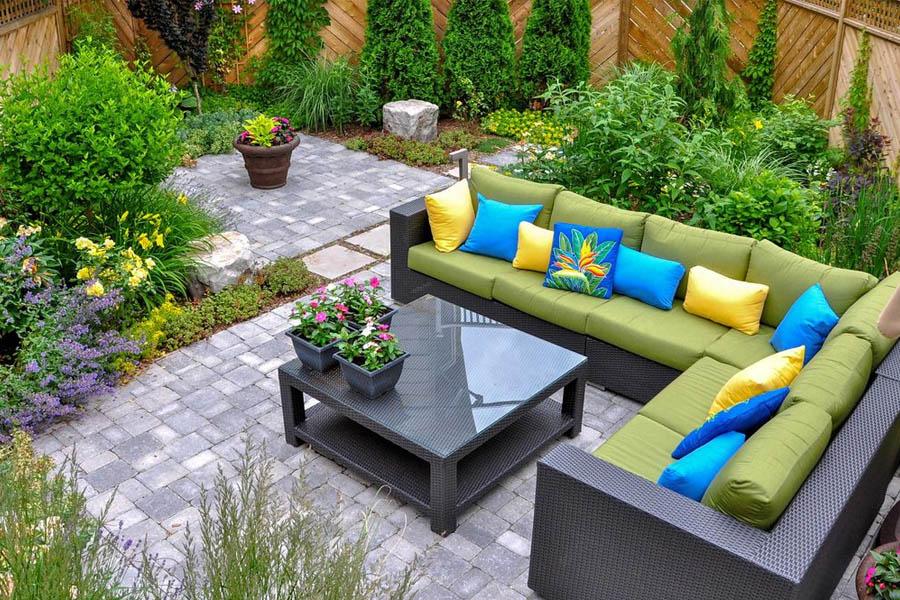
Treat your plant palette like a layered room. Start with a backbone of evergreen structure to hold form in winter. Add seasonal layers that flower, fruit, or bring fall color. Choose native or climate-adapted species so your yard sips water instead of guzzling it. Near cooking and dining zones, weave in herbs and compact edibles for perfumed paths and quick harvests. For tough shade, moss can be a lush carpet if the soil stays moist and foot traffic is light. In sunnier gaps, consider low, soft ground covers like creeping thyme or clover that tolerate some stepping. Think in textures as much as colors, so leaves carry the mood even when blooms rest.
Light That Works Hard After Dark
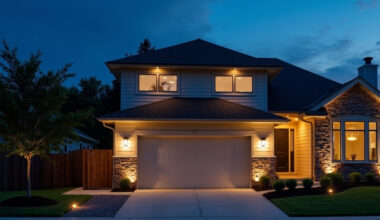
Proper outdoor lighting is stagecraft. It leads, flatters, and softly protects. Add layers. Low path lights at knee height illuminate the ground, not the sky. Avoid stumbles with smooth steps and riser lights. Create depth with modest uplights on trees or feature walls. Keep color temperatures about 2700–3000 Kelvin to achieve natural skin tones and a pleasant atmosphere. When taut and protected, string lights may set a party scene. Tap timers and smart dimmers to switch from family meal to nightcap. Hide fittings to reduce glare.
Cooking, Dining, and Storage That Actually Fits
Scale trumps show. Match your grill or stove to your party size and habits. Keep lids and doors free and hot zones away from traffic. Consider catch height and wind direction when venting. Stone, concrete, and porcelain worktops resist heat and spillage better than soft woods. Small undercounter fridges save trips inside. Cleanup is fast with dry tool and cover storage. Position the dining table so the cook may chat without smoking. Think like a kitchen designer: prep surfaces near the grill, a landing space near the table, a trash pullout where needed.
Privacy Without Building a Wall
Screens may be gardens, not barricades. Lattice or slatted panels keep air circulating and disperse views. Trellises can support espalier fruit plants for a profitable screen. Dense hedges reduce noise and create a faux landscape. Use root barriers and clumping bamboo when tempted. Offset two or three slim panels to obstruct views while keeping the yard open. A built-in bench with a planter back can cover a neighbor’s window.
Sound, Fire, and Water Features
Sound affects mood as much as light. Textured fences and dense plants absorb echos. Soft ground quiets footsteps. Zone speakers and set volume low and even to fill space without spilling onto the street. Fire pits and tables entice people like campfires. Make sure wood models have spark screens, verify local laws, and stay away from structures and trees. Gas setups light quickly and cleanly. Traffic noise is muffled by small water bowls or rills. Choose a pump that’s easy to clean.
Safety, Access, and Codes
Beauty is better when it is safe. Give stairs uniform riser heights, and add railings where code requires. Surfaces near water should be slip resistant. Every exterior outlet that serves the yard needs GFCI protection with in-use covers. If you run gas or electrical lines, pull permits and hire licensed trades. Hot tubs often require dedicated circuits, safety covers, and specific setbacks. Check HOA rules before you build tall screens, sheds, or structures. Planting holes and fence posts can hit utilities, so mark lines before you dig. The best designs embrace these realities from the start.
Budgeting and Phasing the Transformation
Big visions rarely happen in one weekend. Plan to insert invisible bones initially. After grading, drainage, and electricity and water conduits, build surfaces and structures. Although the barbecue and garden may arrive later, rough in gas or irrigation lines. Group tasks using the same trades result in one mobilization fee. Prepare for surprises. Save DIY energy for planting, furniture assembly, and finishing by hiring specialists for structural work and specialty trades. A defined plan prevents ruining yesterday’s progress for tomorrow’s upgrading.
Maintenance that Keeps the Magic Going
Set seasonal rhythms. Clean surfaces, check irrigation, and add mulch in spring. Spot clean stains, deadhead flowers, and check furniture fasteners in summer. Fall pruning, winterization, water drainage, and cushion storage. Schedule wood sealing or oiling on a calendar, not when it looks worn. Monthly checkups beat major repairs as flossing beats a root canal.
Small Yards, Big Impact
Building up, not out, makes small spaces feel spacious. Slim trees, towering trellises, and vertical plants draw attention. Built-in benches save floor space and store items. Tables and chairs fold for parties and store away. Used sparingly and safely, mirrors reflect light and create depth. Give each decision room to breathe by keeping the palette limited and the plant list edited. When every detail is right, a modest yard can shine.
FAQ
How do I choose between a patio and a deck?
Surface should match grade and style. Ground-level stone, concrete, or paver patios tolerate moisture effectively. Wood or composite decks are ideal for bridging slopes or raising platforms to reach doors. Consider maintenance, foot temperature, and how the material matches your home’s architecture.
What size should an outdoor dining area be?
Plan a minimum of 3 feet of clearance around the table for chairs and movement. A table for six often needs an area about 10 by 10 feet. Add space if the grill, buffet, or doors swing into the zone. Keep traffic paths outside the dining rectangle so guests are not bumped during meals.
Are smart irrigation systems worth it?
They save water and time. Weather based controllers adjust schedules for rain, heat, and seasonal changes. Pair them with drip lines and matched precipitation rate heads for efficiency. The upfront cost often pays back through lower water bills and healthier plants that experience fewer stress swings.
What light color temperature is best outside?
Warm white around 2700 to 3000 Kelvin feels inviting and flatters skin and wood tones. Use cooler light only for task zones where you need crisp visibility. Keep brightness low and focused to reduce glare and respect dark sky principles.
How close can a fire feature be to the house?
Comply with local and manufacturer requirements. Many wood fire pits need 10 feet from trees and structures. Although gas units can sit closer, you must keep them away from walls, eaves, and combustible furniture. Keep a hose or extinguisher close and position on level, noncombustible surfaces.
What are low maintenance ground covers besides moss?
Creeping thyme, dwarf mondo grass, sedum, and micro clover are durable choices for sun to part shade, with varied textures and seasonal interest. Choose based on light, foot traffic, and soil. Blend two or three for a tapestry effect that stays neat without weekly fuss.
How do I keep mosquitoes down without harsh chemicals?
Eliminate standing water, even small saucers. Use fans in seating areas since mosquitoes are weak fliers. Add plants that deter them mildly, such as lavender and rosemary, near gathering spots. Consider traps that target egg laying, and keep screens or mesh curtains ready for still evenings.