Key Takeaways
- Window tint should support comfort, glare reduction, privacy, and clear visibility.
- Visible Light Transmission, or VLT, measures how much visible light passes through the glass and film.
- Factory glass tint affects the finished VLT reading.
- Michigan rules treat front and rear vehicle windows differently.
- Film quality, careful installation, and proper aftercare affect long-term results.
Michigan drivers deal with bright summer sun, reflective snow, sudden lake-effect weather, and long stretches of darker rural roads. The right window tinting service can make a vehicle’s cabin more comfortable while helping reduce glare and protect interior surfaces from sun exposure.
However, the darkest-looking film is rarely the best answer. A smart choice for Michigan means balancing daytime heat control and privacy with clear visibility during rainy evenings, winter commutes, and early sunsets.
Why Michigan Drivers Choose Tint
Window film can change how a vehicle feels without changing how it drives. It can reduce sharp sun glare on morning commutes, help passengers feel more comfortable on summer trips, add privacy for belongings, and help limit fading on dashboards, seats, and trim.
For drivers considering car window tinting, the goal should be practical performance rather than a look that creates trouble after dark. Tint does not replace sunglasses, clean glass, safe following distance, or careful driving in snow and rain.
What VLT Means
Visible Light Transmission, commonly called VLT, describes the percentage of visible light that can pass through the window. Higher percentages look lighter and allow more light inside. Lower percentages look darker and reduce the amount of visible light entering the cabin.
Simple VLT Examples
- 70% VLT:A light appearance with strong outward visibility.
- 50% VLT:A mild shade that still feels open from inside.
- 35% VLT:A noticeably darker middle-ground appearance.
- 20% VLT or lower:A deep shade that can make nighttime visibility more challenging.
The number printed on a film sample does not always match the final result. Existing factory glass already filters some light, so the combined glass-and-film measurement is what matters.
Common Types of Window Film
Dyed Film
Dyed film is often an entry-level option for shade and glare control. It may suit budget-conscious drivers, but it is wise to ask about color stability, fading resistance, and warranty coverage.
Metalized Film
Metalized film uses tiny metallic particles to reflect solar energy. It can be durable and effective, although drivers should ask whether the material could interfere with radio, GPS, mobile, or tolling signals.
Carbon and Ceramic Film
Carbon film offers a muted, non-reflective look that appeals to drivers who dislike a shiny finish. Ceramic film is generally a premium option designed for heat and glare management while retaining a clearer appearance. Shade alone does not determine heat performance.
When comparing options, consider appearance, glare control, heat management, signal concerns, expected durability, warranty terms, and total installed cost instead of choosing only by darkness.
How to Pick the Right Shade
Choose tint for the roads and conditions you actually drive. A commuter who leaves work after sunset in Grand Rapids or drives unlit roads near northern Michigan may need a lighter, clearer front-window setup than someone who primarily drives during daylight.
Ask These Questions First
- Is the vehicle regularly driven after sunset or before sunrise?
- Do you travel on rural roads with limited street lighting?
- Does the vehicle already have dark rear factory glass?
- Will children or passengers spend extended time inside?
- Do you frequently cross into neighboring states?
- Is privacy more important than an open view from the cabin?
A practical rule is to select the darkest legal shade that still allows confident nighttime driving, lane changes, parking, and mirror checks.
Michigan Window Tint Rules in 2026
Michigan law limits film on the windshield and front side windows, while allowing more flexibility on rear side and rear windows when visibility requirements are met. The Michigan window tint regulations also address reflective film, rearward visibility, and medically necessary treatments.
For Michigan vehicles, do not assume a tint percentage legal in another state is acceptable locally. Check the window position separately, confirm the finished reading with existing glass, and keep any medical documentation available when an exemption applies. Federal glazing guidance also explains why light transmission remains important in areas needed for driving visibility under vehicle glazing safety requirements.
Tint by Vehicle and Driving Habits
- Family SUVs:Prioritize passenger comfort and rear-seat glare control while preserving visibility for parking and night driving.
- Pickup trucks:Consider rear glass, side glass, mirrors, and the visibility needed for towing or backing up.
- Small cars:Avoid overly dark film that can make compact rear windows harder to use.
- Daily commuters:Favor glare reduction and a comfortable cabin over the darkest possible appearance.
For example, a Michigan driver may prefer a lighter legal treatment toward the front for nighttime confidence while using a darker permitted treatment on rear windows for passenger comfort and privacy.
What to Check Before Installation
- Ask for the film’s VLT rating, performance details, and warranty.
- Confirm the expected finished VLT after installation.
- Ask how curved glass, defroster lines, and factory tint are handled.
- Review completed vehicles outdoors in natural daylight.
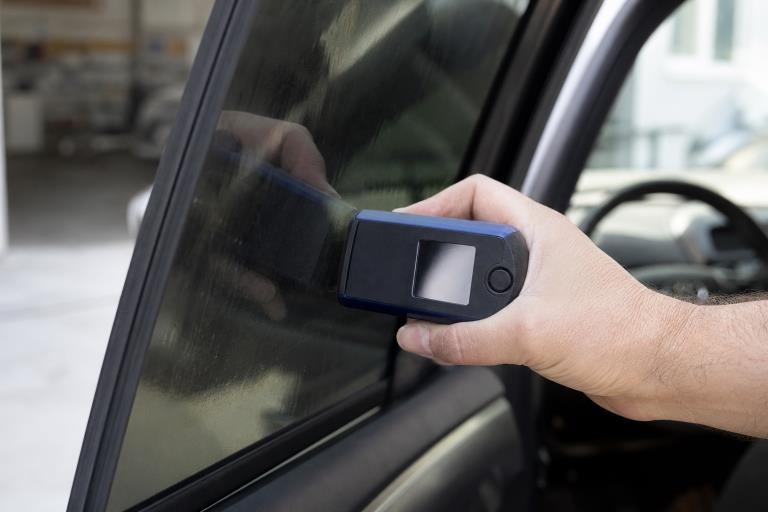
- Ask about curing time and whether final measurements are taken with a tint meter.
Clean preparation, precise edges, and proper curing often matter as much as the film category itself.
Simple Window Tint Care Tips
- Follow the recommended curing period before rolling the windows down.
- Use a soft microfiber cloth and a non-abrasive cleaner safe for tinted glass.
- Avoid rough paper towels, blades, and sharp scraping tools.
- Check film edges occasionally for lifting, bubbling, or damage.
Common Mistakes to Avoid
- Choosing a shade from a photo instead of considering real driving conditions.
- Ignoring factory glass when estimating the final VLT.
- Assuming every window can use the same shade.
- Choosing reflective film without checking Michigan restrictions.
- Skipping a nighttime drive after installation.
Final Checklist
Start with Michigan weather, your driving schedule, and passenger needs. Select a film type based on performance and budget, choose a shade that supports clear day and night vision, verify the rules for each window, confirm the finished glass-and-film measurement, and use proper care products after installation. The best tint is not always the darkest one. It is the one that makes every Michigan mile more comfortable while keeping your view clear and your vehicle compliant.