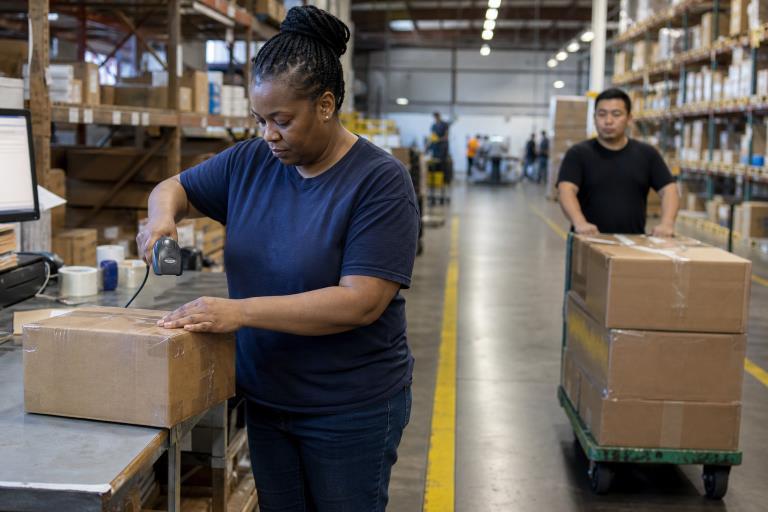
A warehouse runs best when every product has a clear path from the moment it arrives until it ships, is returned, or is removed from inventory. Businesses seeking dependable warehouse Phoenix, AZ, support should look beyond available space and focus on how goods, information, and people move through the operation each day.
Small process gaps can quickly become costly. A receiving error may create an inventory discrepancy, cause a picker to search for unavailable stock, delay shipping, and lead to a poor customer experience. A connected workflow helps prevent those problems before they spread.
Why Warehouse Workflow Matters
Warehouse performance is not defined by one fast task. It depends on clean handoffs between receiving, putaway, replenishment, picking, packing, shipping, and returns. Demand swings, labor constraints, shorter delivery expectations, and changing product mixes all make those handoffs more important.
Before investing in major automation, review the basics. Clear labels, defined responsibilities, organized staging areas, and accurate movement records can remove repeated work and reduce avoidable delays.
For companies comparing operational options, third party warehousing companies can be a practical fit when they provide disciplined receiving, inventory controls, fulfillment support, and reporting that match the needs of the business.
How To Map The Current Process
Start by following one product from the dock to its final destination. Document every scan, handoff, approval, wait period, and physical move. Ask employees where they rely on memory, paper notes, unclear instructions, or manual system updates. Then separate normal work from exceptions, including damaged cartons, missing labels, short shipments, and customer returns. This makes bottlenecks visible instead of treating them as isolated mistakes.
Step One: Improve Receiving And Storage
Receiving establishes the first reliable inventory record. Compare delivered goods against purchase orders or advance shipment information, then verify quantities, labels, packaging, lot details, and visible damage. Create a designated area for products that need inspection or quarantine so they do not mix with available stock or block active dock work.
Storage rules should make products easy to locate and safe to handle. Put fast-moving items close to common pick areas, position heavy goods to reduce lifting risk, and use location labels that are readable from normal travel paths. Keep available, reserved, damaged, returned, and hold inventory physically and digitally separate. Revisit slotting when demand, product dimensions, or order patterns change.
Step Two: Keep Inventory Records Clean
Accurate inventory supports dependable purchasing and customer promises. Barcode scans, location confirmation, and clear transfer rules reduce manual entry errors. Use cycle counts throughout the year rather than relying only on a disruptive annual count. Establish approval rules for adjustments, missing units, damages, and stock moves. When applicable, track products by lot, serial number, date code, or expiration date.
Step Three: Make Picking And Packing Easier
Choose a picking method that fits order volume and layout:
- Single-order picking:Best for straightforward, lower-volume orders.
- Batch picking:Useful when multiple orders share common items.
- Zone picking:Helps larger operations divide work across areas.
- Wave picking:Supports carrier cutoffs, routes, and service priorities.
Packing should include a final control point. Confirm the item and quantity, check packaging requirements, verify the destination and shipping label, and record the shipment only after those checks are complete. A simple final check can prevent expensive reships and avoidable returns.
Step Four: Reduce Shipping Delays
Set daily order cutoffs to align with carrier pickup times. Maintain a visible queue for urgent, held, late, or incomplete orders, and keep high-use packing supplies nearby without narrowing travel paths. At the end of each shift, confirm that no order is stuck between picking, packing, label creation, and carrier handoff. Review missed shipments by cause, such as late picks, missing inventory, or label errors.
Step Five: Build A Better Returns Process
Returns need their own workflow, not a general holding area. Record the return when it arrives, inspect the item and packaging, assign a condition such as sellable, repairable, damaged, or unsellable, then move it into the correct inventory status. Return reasons can also help purchasing, customer service, and product teams identify recurring quality, packaging, or fulfillment issues.
Safety Checks That Support Better Workflows
Good workflow design supports safer work. Keep aisles, exits, and dock zones clear; inspect racks, pallets, conveyors, and lifting equipment; and separate pedestrians from powered equipment with marked routes and visual controls. The OSHA warehousing guidance identifies common concerns, including forklifts, ergonomics, material handling, slips, falls, chemicals, and robotics. Review risks again whenever layouts, equipment, or automation change.
Where Technology Can Help
Technology should reinforce a clear process, not hide a weak one. Warehouse management systems can guide receiving, putaway, picking, and counts. Barcode scanning can improve movement records, while dashboards and automated alerts can highlight late orders, low stock, and recurring exceptions. For smaller operations, well-designed digital forms and consistent scan procedures may deliver meaningful gains without a complex system rollout.
Warehouse Metrics Worth Tracking
Use a focused scorecard with clearly defined measures:
- Receiving and inventory accuracy
- Order picking accuracy and on-time shipment rate
- Dock-to-stock time and average order cycle time
- Return processing time, damage rate, and shrink rate
- Safety incidents and near misses
Define each metric before using it. For example, an on-time shipment rate should identify the daily cutoff, while inventory accuracy should specify whether it measures units, locations, or order lines.
A Simple 30-Day Workflow Review
Days 1 Through 7: Observe
Follow products through each major step. Speak with workers in receiving, storage, picking, packing, shipping, and returns. Record delays, duplicate work, and unclear decisions.
Days 8 Through 14: Prioritize
Group problems by people, process, layout, equipment, or data. Separate quick fixes from larger projects, then rank them by frequency, customer impact, and safety risk.
Days 15 Through 21: Test
Try small changes, such as relabeling a storage area, adjusting a pick route, creating an exception form, or moving a frequently used supply closer to packing stations.
Days 22 Through 30: Standardize
Compare results with starting data, ask employees what improved, document the revised process in plain language, and schedule the next review.
Common Questions
What Is The First Warehouse Workflow To Review?
Start with receiving because it creates the first inventory record and affects every downstream task.
How Often Should Warehouse Processes Be Reviewed?
Conduct a basic review each quarter and a deeper review after major demand, product, system, or layout changes.
Does A Warehouse Need Advanced Automation To Improve?
No. Better labels, cleaner data, safer layouts, and clearer handoffs often create substantial improvements first.
Which Warehouse Metric Matters Most?
Inventory accuracy and on-time shipments are strong starting points because they connect daily operations to customer outcomes.
Conclusion
A strong warehouse workflow is clear, measurable, and practical for the people doing the work. By improving each step from receiving through returns, teams can protect inventory, reduce delays, support safer work, and create a more reliable operation that is ready to adapt.