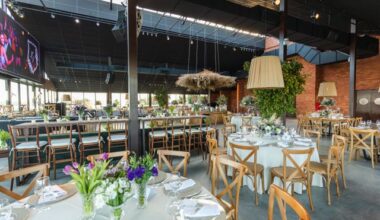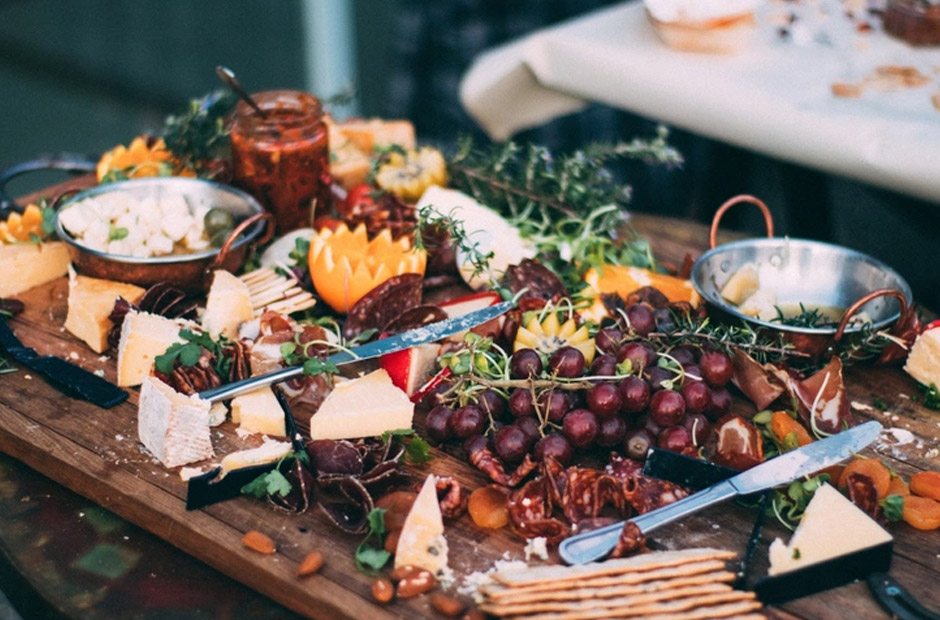
Planning the food for your indoor wedding involves more than picking a menu and a few signature dishes. The venue you choose for your wedding and what happens behind the scenes shape how the dining experience comes together. Understanding the basics of indoor wedding food planning can help you make more informed decisions. Here are a few tips on planning food for your indoor wedding:
Work With Preferred Caterers
Many indoor wedding venues maintain a list of preferred caterers. When couples hire vendors who have not worked at the venue before, problems can arise, including food shortages, missing service items, or inadequate staffing. Preferred caterers have demonstrated that they are able to meet the venue’s standards and execute events reliably. The goal is to reduce risk and help offer a smooth experience for the couple and their guests.
Venues typically select preferred caterers based on food quality, service standards, professionalism, and consistent performance. Some venues allow outside caterers, but approval is often required. A caterer unfamiliar with the venue may need additional coordination on logistics, timelines, kitchen access, and service procedures. If you plan to use your own caterer, contact the venue early to learn about its requirements and approval process.
Match the Food to Your Event
The food you serve helps shape the atmosphere of the reception, so the menu should complement the style of the event. A Southern-inspired menu often fits naturally in a historic or rustic venue, while a barbecue-focused meal creates a more casual and social environment. For couples who want dining to be a memorable part of the celebration, a customized menu can add to the guest experience. Matching the menu to the setting and overall wedding vision helps create a more cohesive event. The service style also affects the pace and feel of the reception. Buffets encourage guests to move around, interact, and choose their own portions. Plated dinners provide a more formal dining experience and allow for a structured timeline. Guest count, venue layout, reception length, and the overall level of formality all help determine which service style is the best fit for your event.
Use Your Venue’s Infrastructure
The layout and facilities of your wedding venue affect how efficiently the catering service operates. Dedicated prep areas with refrigeration, counter space, and worktables allow caterers to store ingredients safely and prepare food without disrupting guest areas. Bar placement also influences guest flow and the overall reception experience.
A centrally located bar can serve as a natural gathering point, helping distribute guests throughout the space and reducing congestion in other areas. Venue staff who are available to assist with logistics, vendor access, and event coordination help address issues quickly. They keep the wedding day running according to schedule.
Explore Indoor Wedding Catering Options
The layout, capacity, and vendor policies at an indoor wedding venue often shape how your food plans come together. Some venues offer multiple spaces within the same building. This allows you to host a rehearsal dinner and a reception at the same location. To simplify your wedding day, contact an indoor wedding venue today to learn more about their available catering options.