Plan Like an Appraiser
Determine the value of your property and who will pay for it before hammering it. Note outdoor aspects of adjacent fast-selling properties. Coastal buyers may want low-maintenance hardscape and shade. Mountain buyers may value heated roads and year-round hot tubs. Upgrades should match the price range and buyer lifestyle you seek. Set a scope that enhances function, lowers maintenance, and photos well. Every dollar should reduce friction or improve first impressions.
Pools That Win Showings
When it addresses look, safety, and efficiency, a pool redesign can boost value. Quartz or pebble coatings resist mottling and retain color better than plaster. Sharp edges from wider coping and rectified waterline tile seem modern in listing images. To reduce noise and energy use, install a variable-speed pump, automation, and cartridge filter on the equipment pad. Salt or mineral systems reduce chemical scent and weekly maintenance, easing buyer concern.
Avoid stopping by the water. Surroundings sell the setting. Replace cracked broom-finish concrete with cooler porcelain pavers or textured concrete. Use a recessed cover if your plan allows. Safety and clear water without straps attract buyers. Replace existing niche lights with low-voltage LED niches and add dimmable nicheless micro lights along benches and steps for night swimming. The surface shines, the technology hums, and the space feels planned.
Decks and Patios That Live Like Rooms
Imagine your deck or patio as a room without walls. Set zones like indoors. Cooking corner with gas stub and landing, dining area under shaped shade, and lounge with heat source and storage. Thermally modified wood looks organic but moves less than ordinary lumber, while composite decking resists fading and splinters. Large-format porcelain on pedestals cleans up uneven slabs and simplifies drainage and conduit access.
Verticals add character. A pergola with movable louvers blocks sun and light rain, making your area more useable year-round. Built-in benches store cushions. Low-profile cable rail protects edges and maintains vistas where rules allow. Every choice should reduce setup time. People will not utilize the patio if it takes 15 minutes to prepare. They will when two.
Landscape Frameworks That Breathe
Strong landscapes are structured. Bed lines should draw attention to the entry or focal point rather than divide the yard. Arrange plants in threes and fives instead of rows. Winter bones should be evergreen, then layer perennials for movement and color. Select species that thrive in your soil pH and sunlight. Time-pressed buyers prefer native or climate-adapted plants that require less water and trimming.
Soil is your silent companion. Before planting, aerate and compost compacted regions. Set up drip irrigation under mulch to water roots and keep leaves dry. Waste less by connecting the system to a smart controller with a rain sensor. Place a couple large containers near living areas for seasonal exchanges that photograph well the week you list.
Hardscape and Driveways That Set the Tone
Your driveway and walk are the property’s handshake. Before resurfacing, repair spalling, fix drainage that directs water toward the house, and remove old oil stains with poultice cleansers. Permeable pavers prevent cold-weather ice and stormwater runoff. In hotter climates, select lighter paver colors to reduce surface heat. Gentle curves should serve a purpose, not be serpentine. For curb-to-door rhythm, align walkways with lighting and planting masses.
Side yards often languish as narrow lawns no one uses. Convert one into a storage court with pavers and a screened bin area. Turn the other into a utility corridor for AC units and hose bibs, hidden behind a trellis and evergreen panel. Presentation improves and daily life gets easier.
Night Lighting That Makes Space Feel Larger
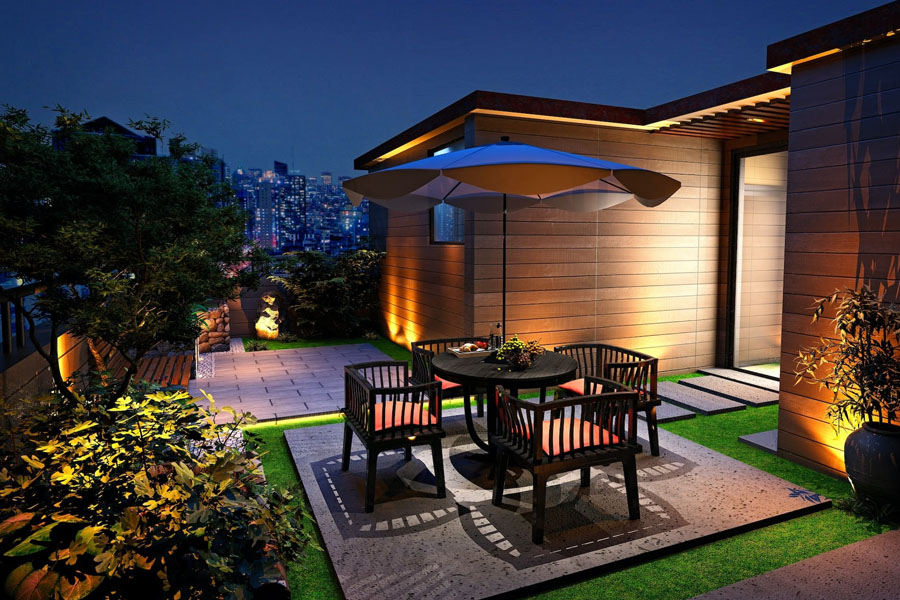
Good outside illumination lengthens the day and reduces small-space shadows. Start with a low-voltage backbone and zone the system. Warm white ankle-high path lights define borders without glare. Restrained drama comes from specimen tree uplights. On stone or board-formed concrete, grazing lights reveal texture that vanishes after midday. Blend pergola downlights with indirect sconces in entertainment spaces to make faces seem natural in images.
Warm up using 2700–3000 Kelvin lights. Protect fixtures and aim them only where needed to respect neighbors and dark-sky rules. Use a simple astronomic timer to raise and lower lights at nightfall and hour. Adjust for gatherings or trips without walking the yard with smart hubs.
Front Entry Moves That Reset Perception
Front entry should be strong like a handshake. If your door is robust and well-hung, paint it a vibrant color that matches the building and install a smart keypad deadbolt. Scaled and eye-level sconces flank the door. Cleanly replace brittle trim and caulk. To eliminate visual clutter, make house numbers legible from the street and display them on a contrasting plaque.
Do not neglect the garage face. Insulated steel or composite doors with simple vertical lines and minimal windows look current without shouting. Quiet belt-drive openers and motion-sensing side lights make the garage feel cared for. A tidy facade raises expectations for what is inside.
Budgeting, Timing, and Sequencing
Assign budgets to good, better, and best alternatives for each zone to adapt to shocks. For exterior updates, 3–5% of home value is typical, higher if structural issues exist. Correct order of book trades. Start with irrigation sleeves and underground conduit. Pour or lay hardscape next. Create vertical constructions. Install fixtures and hardware after planting and mulching. Using this sequence prevents rework that drains contingency funds.
Timing matters. Off-peak seasons often yield better contractor availability and pricing, and plants establish more reliably in cool weather. Order long-lead materials like custom gates or porcelain pavers early to avoid schedule gaps.
Sustainability That Sells
Upgrades that lower bills without fuss impress buyers. Drip irrigation with zone-specific programming, turf alternatives in gloomy or sloped locations, and storm-resistant mulch sound practical. Heat gain is reduced by rain chains in buried basins, permeable paver joints, and natural tree canopies shading south and west exposures. Use LED fixtures everywhere and prevent sky-lit fixtures. Non-ecotheater touches. They’re comfortable and economical.
Permits, Codes, and Peace of Mind
Prepare for approvals. Deck height requires guardrails. Grill and fire feature gas lines need permits and pressure checks. Swimming pools need suitable fences and self-closing gates. Outdoor outlets near water must be GFCI. If you build structures or water features, save photographs and receipts and renew your insurance. Banks and buyers want tidy paper trails.
FAQ
How do I choose which outdoor project to do first?
First, address safety and first impression issues. Trip hazards, deteriorating railings, house-pointing drainage, and dead plantings precede aesthetic upgrades. Then discuss listing photo elements. That is often the entrance or primary entertainment area. Sort your list so each project unlocks the next without undoing effort.
Will a pool remodel always raise my home’s value?
A well-executed makeover may boost market appeal in pool-heavy areas by improving energy consumption, safety, and beauty. Pools are rare or expensive to maintain, therefore purchasers may not pay more. Match the improvement to market expectations and simplify maintenance.
Is composite decking worth the cost compared to wood?
For many homeowners. Composite lasts longer, resists decay and insects, and requires less sanding and staining. The upfront cost is higher, but upkeep lowers the lifetime cost. Choose species and finishes that match your environment and follow a care regimen if you want real wood.
What lighting mistakes should I avoid?
Avoid glare bombs. Light-exposing fixtures cause squinting and damage photographs. Avoid chilly color temperatures that blue skin. Do not finish with one spotlight on a facade. Layer light at different heights, shield bulbs, and limit lumen output.
Are permeable pavers hard to maintain?
They require seasonal care to keep joints porous. Sweep or vacuum debris, top up joint aggregate when it settles, and address weed seedlings early. In exchange, you gain better drainage, less puddling, and often fewer heaving issues in freeze and thaw cycles when the base is installed correctly.
How can I add shade without building a full roof?
Adjustable shade comes from freestanding pergolas with louvers, tensioned shade sails on steel pillars, or retractable canopy systems over a simple frame. Choose UV-resistant textiles, fortify posts below frost depth, and create attachment points without damaging siding or flashing.
Do I need a permit for low-voltage landscape lighting?
Usually not, but local rules vary. Hardwired line-voltage circuits, new exterior outlets, and gas lines do require permits and inspections. When in doubt, ask your building department. Following code keeps you safe and avoids issues during buyer inspections.
How much should I spend on the front entry?
An inexpensive concentrated refresh can be impactful. Paint, hardware, lighting, house numbers, and planters typically stand out. Spend extra on door and surround repairs first. The goal is a clean, confident greeting that matches the facade.
What outdoor upgrades photograph best for listings?
Crisp paths and steps, layered plant beds with fresh mulch, glowing evening lighting, a staged patio with defined zones, and a spotless entry with a bold door color. Remove clutter, hide hoses and bins, and keep lines simple. Buyers shop with their eyes before they read a single line of copy.