First Impressions Start Outside
Experience begins before the host stand. Look at curb appeal and entryway hospitality. Honest wait times and clear signage show respect for your time. A consistent line indicates good front-to-back communication. Maintenance should be a priority for outdoor seating. Menus posted at the door allow you judge price and style without the pressure to sit.
If there is a waitlist, note how the team manages it. Do they offer realistic estimates or vague promises that stretch on? Are they guiding walk-ins and reservations into separate flows? Small moments of order at the threshold often predict a smoother night.
The Soundtrack of Service
Rooms talk through sound. Ten seconds of stillness can teach you a lot. Not a playlist on shuffle, music should be deliberate and concept-based. Communicate without yelling. If servers must lean in to be heard, noise will degrade the experience.
Listen for the cadence of the kitchen too. A controlled hum is good. Frenzied clatter hints at backed-up tickets. When the soundtrack feels balanced, it sets a tempo the rest of the night can follow.
Seating Strategy and Sightlines
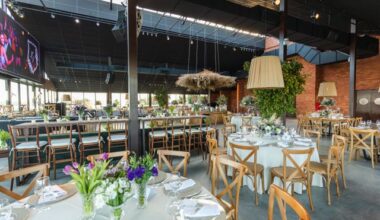
Fine dining rooms are mapped like cities. Traffic moves freely. Chairs fit beneath stable tables. Servers can avoid elbows in aisles. Check your proximity to door swings or service stations. Close closeness may transform a nice lunch into a parade route.
Sightlines matter. If you like energy, a perch with a view of the bar or the pass can be fun. If you prefer calm, choose a corner away from bus tubs and large parties. Accessible routes and thoughtful spacing are more than compliance. They signal care for every guest.
Reading the Bar Like a Pro
Some establishments’ bars are their lifeblood. They show standards quickly. Check ice. Crisp beverages are kept with clear, thick cubes or cold pebble ice. Cloudy ice and wet wells indicate shortcuts. Freshly prepared garnishes should be used that day. Wilted citrus and bruised herbs differ.
Watch a round being built. Are bartenders tasting, measuring, and shaking with intention, or winging it? Clean draft lines pour with a tight head and no off aromas. Glassware temperature matches the drink. These details add up to a higher baseline for the entire operation.
Menu Design as a Window Into the Kitchen
A menu promises. The kitchen’s boundaries are a strength, not a weakness. Find a definite viewpoint. Some shifting goods and seasonal cues indicate adaptation. Specials should sound unique. Batch preparation and lack complexity may explain why every dish has the same sauce or sides.
Allergen and modification clarity matters. Confident answers about ingredients and cross contact show training and respect. Prices should make sense across categories. When a simple side costs as much as a composed small plate, ask why. The best menus align ambition with execution.
Pacing, Fire Times, and Table Management
Pacing creates meal rhythm. Small signs should indicate that the kitchen has your ticket in the queue after ordering. Water appears. Bread or snack lands if the idea involves it. First plates are ready and at the correct temperature. Courses should not be stacked or leave extensive pauses to cool the night.
Watch pre-bussing and check-ins. A brief mid-course visit to confirm everything is right can prevent problems later. If something drags, a proactive update is gold. It is the difference between feeling forgotten and feeling tended to.
Cleanliness Beyond the Obvious
Clean is a feeling as much as a fact. Start with what you touch. Menus that are crisp and readable. Tables that are wiped without sticky edges. Napkins free of lint. Then glance at the edges of the room. Corners, light fixtures, and baseboards tell the truth about maintenance.
Restrooms are the most honest mirror of standards. Supplies stocked. Floors dry. Handles and faucets polished. If the public areas look kept, the back of house usually follows suit. Your senses will tell you when something is off before your brain puts words to it.
How to Handle Red Flags in Real Time
Every diner gets off nights. The key is how you respond. If the room is overwhelmed, simplify your order. Choose dishes that are hard to mishandle or that the kitchen can execute quickly. State your timeline if you have one. Clear expectations help the team help you.
If a dish misses the mark, speak up early and kindly. Offer specifics so the fix is straightforward. When the wheels come off, decide whether to reset or wrap. It is fair to ask for the check and pay for what worked. You do not need to stage a scene to protect your time and budget.
Value Without Compromise
Value is not a synonym for cheap. It is the ratio of quality to cost. Portions should align with descriptions. Sides and add-ons should feel additive, not predatory. Beverages can quietly dominate a bill, so ask about half pours, flights, or low-alcohol options if you want range without excess.
Happy hours and early windows often reward planners with better pricing and smoother service. Splitting plates is fine when allowed, but remember that kitchens plate for impact. Sharing works best with dishes designed for it.
When Technology Helps or Hurts
Technology is a tool, not a mood. Readable, updated QR menus are fantastic. Request a print menu if the digital one is slow or cluttered. Handheld payment gadgets close faster, however the tip screen should be clear. Whether typing or handwriting, waitresses who repeat items enhance order accuracy.
Tap to pay is quick, yet guests still deserve a clear itemized receipt. Smooth tech fades into the background. Clunky tech steals focus from the meal.
For Special Diets and Kids
Accommodation is a test of hospitality. Staff should answer questions about vegan, gluten-free, or nut-free options without guesswork. If you hear hesitation, request that they check with the kitchen. Thoughtful restaurants design at least a few dishes that do not feel like compromises.
Families read rooms differently. A kids section that offers real food in smaller portions beats a sugar-stacked list. High chairs that are clean. Cups with lids offered without being asked. These small touches help everyone relax.
Nashville’s High-Energy Rooms, Calm at the Core
In a city where music and food blend, enthusiasm is key. Best places bottle buzz without letting it explode. New sports lounges in emerging areas emphasize line of sight, comfortable seating, and acoustic zones that allow live conversation during games. For a meal-like game experience, seek for layered design. Not one glare wall, multiple screen sizes. Craft-focused bar program. Staff that recommend seats for your team and mood. The space should feel like a community living room, not a mess.
FAQ
How early should I leave if things feel off?
Trust your first fifteen minutes. If greeting, seating, and a first touch of water or drinks have not happened, or explanations feel evasive, it is reasonable to bow out politely. Your time is valuable and you can always return on a better night.
Are long menus always a bad sign?
Not always. Large menus can work in high-volume concepts with well-drilled prep. Still, focus usually wins. A tight menu with seasonal shifts tends to produce more consistent flavor and pacing because the team rehearses the same plays until they are sharp.
What is the ideal time gap between courses?
For casual dining, aim for 5 to 10 minutes between clearing a course and the next arrival. In multi-course formats, 8 to 12 minutes is common. The key is consistency. Spiky pacing makes conversation and appetite hard to manage.
How can I judge a kitchen from a single dish?
Order something simple that reveals fundamentals. A salad with a balanced dressing. A grilled protein cooked to temperature. Fries that arrive hot and crisp. Clean seasoning and proper heat control are early indicators that other plates will land well.
Is it rude to ask about cleanliness or staff changes?
It is not rude to ask for clean glassware or a wiped table. Keep the tone friendly and specific. As for staffing, detailed questions can put people on the spot. If service seems strained, adjust expectations and simplify your order rather than probing for backstory.
Do QR code menus signal a lower quality experience?
No. Digital menus can help with updates and reduce waste. What matters is execution. If the layout is clear and prices match what you are charged, you are fine. When technology makes ordering harder, ask for a printed copy or have your server walk you through highlights.