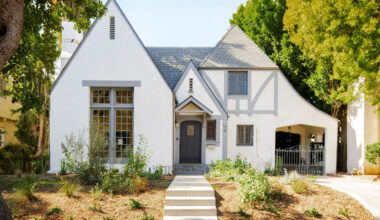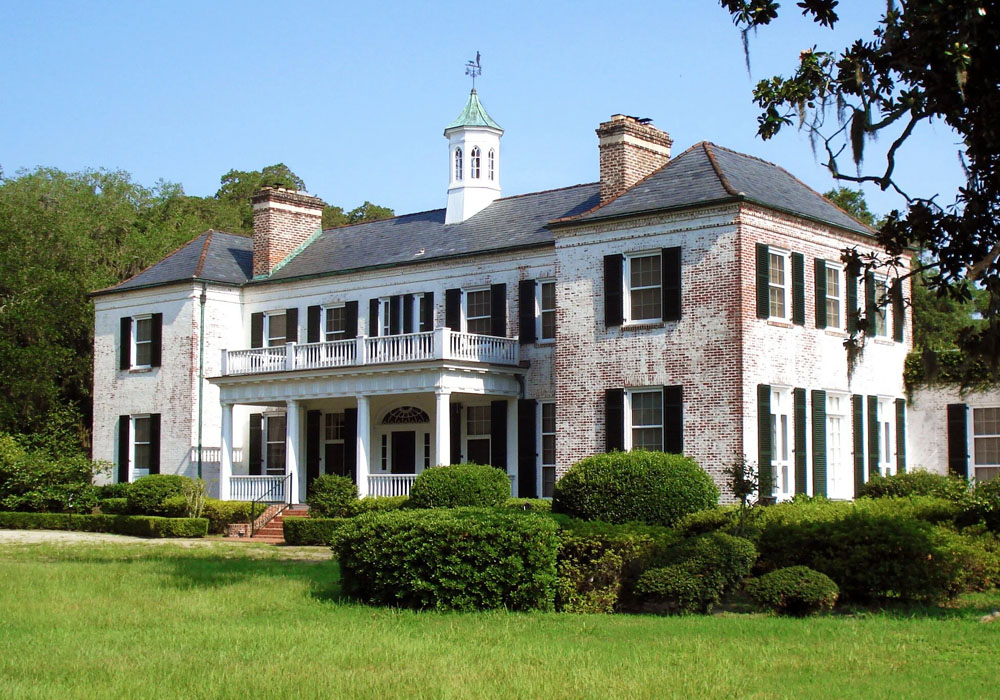
A historic home requires special attention during roof replacement to preserve its original character and structural integrity. Property owners discover complex issues beneath old roofing layers that standard inspection methods cannot detect.
Mentor roofing services that specialize in vintage homes understand the strict guidelines enforced by local preservation boards. This article explains what every historic home owner must understand before starting a roof replacement project.
Preserve Architectural Integrity
Local historic preservation boards enforce strict guidelines for visible roof elements on designated properties. Matching original aesthetics, textures, and profiles while utilizing modern durable materials requires careful product selection. A roof replacement must maintain the same slope, overhang, and eave details that define the home’s period character. The following elements receive close scrutiny during the preservation approval process:
- Shingle shape, exposure, and reveal dimensions must match original specifications
- Ridge caps and rake edges need period-appropriate profiles and thickness
- Color palettes must fall within historically documented ranges for the structure
- Flashing visibility and placement should mirror original construction methods
Modern synthetic materials can replicate historic appearances without the maintenance demands of original components like wood shakes or slate.
Identify Structural Limitations and Outdated Roof Systems
Many historic homes feature spaced wood strip decking. This original construction method creates gaps between boards that standard underlayment cannot bridge effectively. A thorough inspection reveals whether the existing deck can support a new roof assembly or requires a solid overlay. Structural stabilization must occur before any new material installation begins.
Old structural framing requires meticulous inspection to identify sagging rafters or compromised connections. Original lumber measures smaller than modern dimensional standards, which affects load calculations for new roofing materials. A structural engineer should evaluate the entire framework before adding the weight of a new roof system. Stabilization methods include sistering new rafters alongside old ones or installing additional support beams.
Upgrade Attic Ventilation in Older Home Designs
Historic homes rarely have modern soffit or ridge vents built into their original construction. Hidden balanced airflow systems can be engineered to prevent mold and heat retention without altering the classic silhouette.
The following types of ventilation solutions work within historic roof structures without visible exterior changes:
- Continuous ridge vents with low profiles mimic original metal ridge caps
- Soffit vents hide behind perforated wood panels that match historic details
- Gable vents receive restoration rather than replacement to maintain appearance
- Solar-powered exhaust units sit inside existing dormer or gable spaces
Complexity of Replacing Historical Flashings
Decades of layered materials, old cedar shakes, or heavy slate remnants complicate the removal process for historic roofs. Stripping away these accumulated layers requires careful sequential work to avoid damage to original framing elements. Valley flashings need custom fabrication from copper or aluminum rather than standard pre-formed pieces from supply houses.
The following flashings typically require on-site fabrication for historic structures:
- Step flashings against brick or stone chimneys need individual metal cuts
- Dormer side flashings must conform to irregular old wall surfaces
- Apron flashings require wider dimensions for deep historic overhangs
- Base flashings at parapet walls need soldered seam construction
Why Hiring an Experienced Local Roofing Company Prevents Costly Structural Errors
Mentor roofing services with historic preservation experience understand how to handle delicate old-growth timber frameworks. General contractors without specialized training may damage irreplaceable structural elements during standard roof replacement procedures. A specialized local roofer ensures the home remains fully compliant with municipal codes while preserving its historic tax status.
Request a structural engineering assessment before any historic roof replacement work begins. Old framing may need reinforcement to support modern roofing material weights and local snow load requirements. This single inspection costs less than one percent of a full roof replacement but prevents catastrophic structural failure. One engineering report protects both the home’s history and its future occupants.