Why Whole-Home Backup Is Different From Portable Power
Keeping some outlets alive during a hurricane is one thing. Powering a house without babysitting breakers is different. In abnormal times, whole-home backup seeks normalcy. Lights shouldn’t flicker when heat pump starts. Freezers must maintain temperature. The office should stay online. Consistency takes more than a big wattage sticker. Stable output, surge capacity, clean electricity, safe switching, and a runtime plan that fits your climate and home routines are essential.
Define Your Loads Before You Shop
Before you compare hardware, map your loads. A quick audit turns guesswork into clarity.
- List must-run loads: refrigerator and freezer, heating or cooling essentials, well or sump pump, internet and networking, medical devices, lighting, and cooking appliances you rely on.
- Identify heavy hitters: central air or heat pump, electric water heater, electric range, EV charger, air compressor, pool pump.
- Check nameplates: note volts, amps, and motor types. Motors and compressors often need several times their running watts at startup.
- Decide on backup tiers: critical circuits that always stay on, and convenience circuits you can disable to stretch runtime.
Example snapshot:
- Essentials: fridge 150 watts running with 600 to 1200 watts starting, gas furnace blower 400 to 800 watts, cable modem and router 20 watts, LED lighting 150 watts, sump pump 700 watts running with 1500 to 3000 watts starting.
- Heavy: 3 to 5 ton heat pump, running 2 to 5 kW, starting 10 to 20 kW for a fraction of a second. Electric oven 3 to 5 kW. Level 2 EV charging 7 to 12 kW.
Add up simultaneous running loads, then add headroom for starting. Many homes land between 7 and 18 kW for typical operation with thoughtful load management. Larger homes with multiple HVAC systems or electric water heating can require 20 kW or more.
Understanding Output, Surge, and Power Quality
Output tells you how much power the system can supply continuously. Surge tells you whether lights dip when the compressor kicks. Power quality tells you if sensitive electronics will be happy.
- Continuous output: Match or exceed your expected simultaneous load with at least 20 percent margin so the system is not redlining.
- Surge capacity: Motors and pumps can demand 4 to 7 times their running watts for a split second. Inverter-based systems can deliver fast, precise surge response that keeps voltage stable.
- Total harmonic distortion: Less than 5 percent is friendly to electronics. Some modern inverters achieve less than 3 percent, which helps protect computers, variable-speed HVAC boards, and medical gear.
- Split-phase and 240 volt loads: In North America, make sure the system supports 120 and 240 volts to run well pumps, dryers, ranges, and central air.
Altitude and temperature also matter. Output can derate at higher elevations and in extreme heat. If you live on a mountain or in a desert climate, choose a unit with capacity to spare.
Transfer Gear and Wiring Choices That Matter
The automatic transfer switch is the gatekeeper. It keeps utility power and backup power from colliding, and it decides which circuits get priority.
- Service rated versus load side: A service rated ATS can serve as your main disconnect and often simplifies whole-home coverage. A load side switch feeds a subset of circuits in a subpanel, which is great for essentials-first strategies.
- Amperage: Common choices are 200 and 400 amp. Match your main service. Oversized switches reduce bottlenecks if you plan to add solar or an EV charger later.
- Load management: Some switches and smart panels can shed nonessential loads automatically. For example, the dryer pauses when the heat pump starts, then comes back on.
- Generator inlet and interlock kits: For portable backup, a manual transfer device or listed interlock keeps things safe. Never backfeed through a dryer outlet.
Proper wiring, neutral bonding, and grounding are not optional. A licensed electrician will align the setup with local code and the equipment’s manual.
Energy Architecture Options
There is no one right architecture. The best choice depends on outage length, fuel availability, noise tolerance, and how you use your home.
- Standby generator only: Natural gas or propane units in the 10 to 26 kW range can carry most homes with proper load management. They excel in long outages and cold weather.
- Battery only: A battery plus inverter system can power essentials quietly, often from 10 to 40 kWh of storage or more. Great for short outages, apartment-friendly in some cases, and ideal for homes with frequent brief cuts.
- Hybrid generator plus battery: The battery handles quick surges and overnight loads quietly. The generator runs shorter, more efficient sessions to recharge the battery and tackle large loads, which cuts noise and fuel use.
- Solar integration: Roof or ground-mount solar can extend autonomy. Net metering aside, you will want an inverter that can operate in island mode during outages and safely coordinate with storage and the transfer switch.
Runtime Planning and Fuel Strategy
Backup only helps if it lasts as long as you need. Plan with the same care you would give to water or food storage.
- Natural gas: Reliable in many neighborhoods, but not guaranteed during earthquakes or some major events. Typical 14 to 22 kW units consume roughly 200 to 350 cubic feet per hour at partial load and more at full load.
- Propane: Flexible and independent of utility supply. Plan for tank size. A 20 kW unit might use 1.5 to 3.5 gallons per hour depending on load. Larger tanks and a hybrid battery strategy push autonomy from hours to days.
- Diesel: High torque, good for larger loads, and common in rural or off-grid settings. Requires fuel conditioning and careful storage.
- Battery kWh to hours: A 20 kWh battery backing 1.2 kW of average essential load yields roughly 16 hours before reaching deep discharge. With midday solar, that same battery could stretch across multiple days by refilling each afternoon.
Match your average and peak use to your refueling plan. If fuel deliveries are uncertain, a hybrid design with some on-site solar and storage is a strong hedge.
Design for Climate, Noise, and Placement
Equipment needs to survive what caused the outage in the first place.
- Weather and temperature: Look for gear rated for your climate band with clear operating temperature ranges. Heaters or ventilation may be required for battery cabinets in very cold or hot areas.
- Noise: Inverter generators and batteries are far quieter than open-frame portables. Compare decibel ratings. A difference of 10 dB is perceived as roughly twice as loud.
- Placement: Keep standby generators clear of windows and openings. Respect manufacturer clearances for exhaust and service access. Batteries usually prefer dry, conditioned space, away from direct sun, with solid walls and floors.
Local rules may dictate setbacks, fire-resistant mounting surfaces, and screening for aesthetics. Good placement also makes service visits faster and safer.
Smart Controls and Everyday Value
Backup gear sits idle most of the time. Make it earn its keep.
- App visibility: Real-time power flow, battery state of charge, and circuit-level monitoring turn guesswork into strategy.
- Load priorities: Assign tiers so the system automatically pauses lower-priority loads when big appliances start.
- Time-of-use savings: In some regions, batteries can discharge during peak rates and recharge off-peak, trimming monthly bills.
- EV integration: Smart panels can throttle EV charging during generator operation or outages so you do not overload the system.
When the lights go out, automation feels like a superpower. When the grid is up, smart features help the system pay for itself.
Cost of Ownership and Expansion Paths
The sticker price is only part of the story.
- Installation: Transfer switches, gas line work, concrete pads, permits, and electrical upgrades often equal or exceed equipment cost.
- Maintenance: Generators need periodic oil, filters, and test runs. Batteries need firmware updates and occasional health checks. Budget for both.
- Efficiency: Inverter-based systems and batteries reduce waste by matching output to load with precision.
- Expansion: Choose architectures that allow more battery modules, additional solar strings, or higher amperage transfer gear. A modular path avoids ripping and replacing as your household grows.
Consider lifecycle costs over 10 years, including fuel, service calls, and energy savings from daily operation modes.
Installation Timeline and Safety Checklist
A smooth project follows a clear path.
- Site survey and load audit
- One-line diagram and permit applications
- Utility coordination if required
- Pad, conduit, and wiring rough-in
- Gas line or fuel system installation
- Equipment set and commissioning
- Final inspection and owner training
Safety nonnegotiables:
- CO detectors on every level if you have a combustion appliance
- Correct neutral and ground bonding per equipment instructions
- Listed transfer equipment only, no backfeeding
- Clearances maintained for exhaust and service
- Battery anchoring and proper ventilation based on manufacturer guidance
Real-World Scenarios
- Suburban family with gas furnace and a single 3 ton AC: A 14 to 18 kW standby unit paired with a 10 to 20 kWh battery and a load-shedding smart switch can run the home comfortably, keep the fridge cold, power work devices, and cycle AC without drama.
- Rural home with well pump and frequent weeklong outages: A 20 to 26 kW propane generator, 500 to 1000 gallon tank, and a 20 kWh battery reduce nighttime generator hours and cut fuel consumption. The battery buffers well pump surges and quiets the house overnight.
- All-electric home with heat pump water heater and EV: A hybrid approach shines. A 30 to 40 kWh battery handles daily peaks and brief cuts. A right-sized generator runs only when extended storms arrive. Smart controls pause EV charging during backup and prioritize HVAC and cooking.
FAQ
How big should my whole-home system be?
Load audit first. Combine the running wattage of compatible appliances, add 20% headroom, and consider introducing surges. Check surge requirements for central air, heat pumps, and well pumps. Continuous capability is 7–18 kW for many homes, but bigger or all-electric households need 20 kW or more. Batteries are kWh. For necessities, 10–20 kWh is typical, whereas whole-home coverage starts at 20–40 kWh and ramps up.
Do I need a service rated automatic transfer switch?
Because it may be the main disconnect, a service-rated ATS is frequently the cleanest choice for whole-home coverage with a single point of control. A load side switch with a dedicated subpanel may be cheaper for important circuit backups. The best option depends on service size, budget, and future solar or storage plans.
Can solar keep my home powered for a long outage by itself?
Solar helps, especially in bright seasons, but seldom fills all hours without storage. With solar and batteries, you can island during a power outage. Solar can charge the battery and power daytime loads on clear days. A generator that can swiftly charge the batteries and power heavy appliances is welcome during rainy weeks.
Are batteries safe to install in a garage or basement?
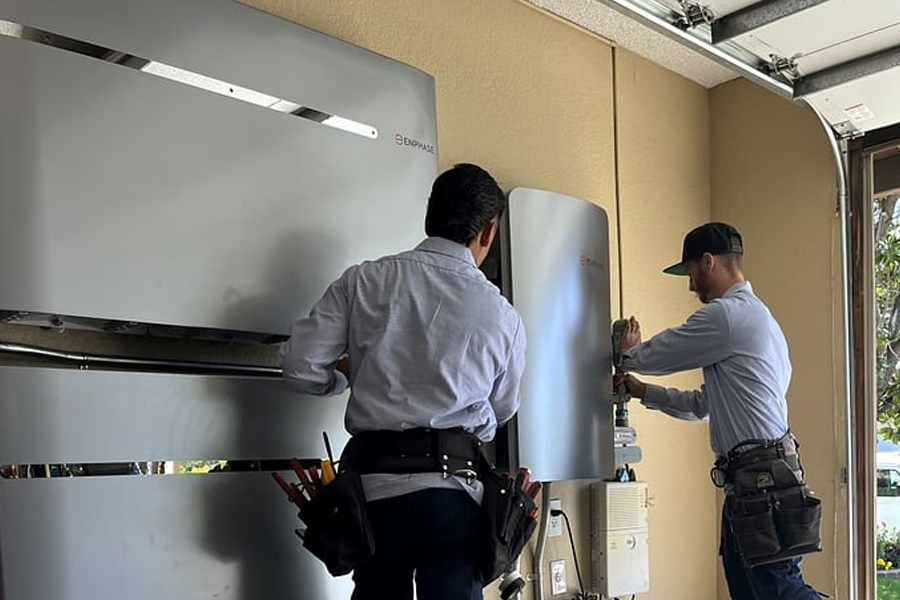
Modern home batteries are safety-certified and have heat management and protective circuits. Installation must meet manufacturer and local codes, which may stipulate clearances, mounting surfaces, and restricted areas like sleeping rooms. A competent installation will assess temperature, moisture, and ventilation to choose a safe placement.
How loud are standby generators and will they bother neighbors?
Noise varies by load and model. Residential standby units often operate at 60–70 decibels at 23 feet under light load, akin to a conversation or dishwashing two rooms away. Battery and inverter generators are quieter. Smart controls and hybrid designs reduce nighttime runtime, promoting block peace.
What maintenance should I expect?
Generators require regular exercise, oil and filter changes, and inspection of belts, plugs, and batteries according to the manufacturer schedule. Batteries need little routine service, though periodic firmware updates and performance checks are smart. Scheduling an annual visit keeps both systems ready for the first storm of the season.
Will a generator or battery damage my electronics?
Select low-THD sine wave power equipment. Power from inverters is usually stable. Neutral and bonding difficulties can be avoided with proper grounding and transfer switch size. Computers, variable-speed HVAC, and medical devices should work properly with those boxes checked.