If you run a business, work in this space, or even just rely on things showing up at your front door, you’ll be happy to learn that the latest industry trends are improving manufacturing and logistics for the better. Some trends are obvious, natural consequences of technology developments, while others emerged as a result of customer and business needs. The smart operators are watching both, and so should you.
Smaller Factories Are Getting More Respect
For years, bigger was treated like better, so anyone who wanted to step into the industry had to go after massive warehouses, giant production lines, and endless storage. That was the standard, and that was respected. Eventually, people realised how wasteful this is. Smaller, and more importantly, more local setups are starting to win.
That’s because shipping things across half the planet has become messy. Costs jump, and delays tend to ruin entire operations. And since you can’t build a reliable system on hope, the next best thing to do is to cut the distance. More products are being made closer to where people buy them, and that means faster delivery.
It’s also changing jobs. Local manufacturing gives communities a proper boost. Instead of waiting three months for parts from overseas, you can often get them in days.
Machines Are Learning the Mundane Parts of the Job
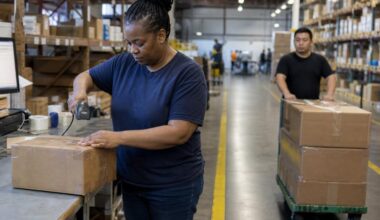
The discussion about how robots would take over everything is getting old. Turns out, most of the time they’re just doing the repetitive jobs we collectively hated anyway. Packing, sorting, and scanning aren’t really your dream job, so it’s a good thing that machines are getting brilliant at that.
The better part is what happens next. When machines handle the dull work, people can do the thinking. We can now put all our focus on problem-solving, planning, and fixing issues. Machines can’t do that, now or ever. Even the best-trained AI systems have faults.
Conveyor Systems Are Getting Clever Again
It’s no secret that modern conveyor setups are becoming one of the smartest parts of the floor. They now feature better sensors and cleaner designs. All of this means the maintenance becomes easier, and that means there’s less downtime. And when you’re moving thousands of items a day, even ten minutes saved matter. That’s where modern conveyor products and solutions are proving their worth.
Reliable gear has always been important in this industry. After all, it’s the quality of your gear that determines how fast and reliable your entire operations are.
Data Is Being Used Properly
Manufacturing is an industry that offers a lot of data. Now that advanced machines are part of the deal, businesses are reading it and using it to tweak and improve their business operations. When a sensor can tell when something’s about to fail, you can react in time.
That changes everything. You get to prevent problems and save money along the way. Waiting for problems is expensive. Seeing them early saves money, time and a lot of swearing in the warehouse.
Worker Training Is Getting More Serious
For ages, some companies treated training like a box-ticking exercise. You’d do a quick lesson, but that’s not enough to teach you all about safety, responsibilities, and efficiency.
Modern systems are too complex to guess. One wrong move with advanced machinery can stop an entire line, so you need to ensure your workers are trained to avoid these mistakes. As a result, businesses are investing properly in training.
Training is turning into a new industry as well. You can now use virtual reality simulations, live practice and ongoing skill-building because many businesses offer these services. That’s a good thing for you if you’re entering the industry. It means you’re less likely to be thrown into chaos on day one. It also means companies are valuing skill over pure speed.
Flexible Supply Chains Are Becoming the Gold Standard
Now companies are building flexibility into everything because they know that systems that can bend are not that easy to break. They get multiple suppliers instead of one and prepare backup routes. When necessary, they provide extra stock where it matters.
Flexibility costs a bit more upfront, and that’s why many businesses ignored this for so long. But getting caught with empty shelves costs way more. That lesson’s been expensive, and nobody’s keen to repeat it.
Conclusion
The future of manufacturing and logistics isn’t smarter systems. It’s smarter people using those systems well. And if you’re paying attention now, you’re already ahead of most. That’s not a bad place to be.