Start With a Trip Vision, Not Just a Map
Decide on the trip’s mood before planning routes and gear. A tranquil two-night riverbank getaway, a pre-dawn summit bid, or a family-friendly loop with swimming holes and stargazing? Clear goals influence everything from daily mileage to camp attitude. Consider sceneries. Sunrise on granite. Dusk stove hiss. The mental storyboard becomes your North Star when details get difficult.
Match Objectives to Skills and Season
Ambitions are great; misaligned ambitions are risky. Assess your group’s fitness, technical skills, and tolerance for discomfort. Then layer in seasonal realities. Snow lingers on north faces long after valley flowers bloom. Desert heat turns easy tracks into ovens. Coastal fog can hide landmarks and dampen spirits. Choose mileage that leaves energy in the tank and terrain that fits your know-how. Build skills incrementally so confidence grows with your horizons.
Permits, Access, and Transportation Logistics
Without legal or safe trailhead access, the best plan fails. Check wilderness permits, day-use limitations, fire restrictions, and parking. Some parks demand shuttles or timed entries. If your travel is point-to-point, employ a shuttle or local service. Leave a spare key with your shuttle driver or partner. Avoid displaying valuables at the trailhead. Lockable roof boxes or truck bed racks with secure tie-downs help organize and remove cumbersome gear from the cab. Check road conditions, fuel, and high-clearance or snow chains.
Dialing In Your Weather Strategy
Weather is an invisible teammate that can help or hurt. Learn about mountain afternoon thunderstorms and canyon nighttime winds from local predictions. Pack for outliers, not averages. To reduce lightning strikes, avoid ridgelines, follow the 30-30 rule, and disperse party members 50 feet apart. In heat, start early, rest in shade, and remember heat index thresholds. Layer and vent moisture in cold. Consider wind a force multiplier that steals heat and complicates shelter design.
Smart, Lean Gear Systems
Consider systems, not parts. Your garment system should have wicking base, insulating mid, and stormproof shell layers. Avoid cotton in cool, changing weather. Shoes must fit with toe splay and swelling; try socks and lacing on hills before the trip. Have a primary and backup headlight with fresh batteries. Charge your phone, GPS, or camera with a power bank and insulate devices at night. Durable water storage is essential. For silent and safe vehicle travel, secure cargo with approved straps and pack heavier things low and forward.
Food, Water, and Kitchen Setup
Depending on topography and weather, plan 2,500–4,500 calories per person per day per exercise level. Choose your favorite recipes and practice cooking one supper at home to validate cook timings and fuel usage. Canister stoves boil quickly, alcohol stoves are light and simple, and liquid fuel stoves work well in cold or altitude. Always carry a lighter and backup fire starter. For water, mix techniques. Filters control sediment, chemical drops are light and dependable, and fuel-based boiling is infallible. In dry areas, stockpile water ahead of time, identify it with your name and date, and record GPS coordinates.
Navigation That Does Not Fail
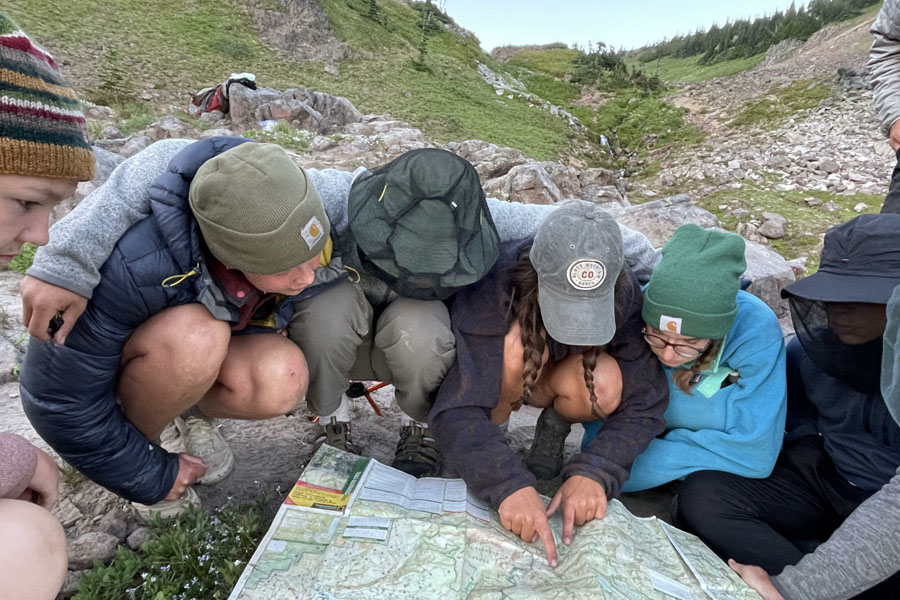
Your redundancy keeps you found. Bring a weatherproof paper map at a suitable scale, a baseplate compass, and fix your compass declination at home. To save battery, download offline maps for at least two digital apps and practice track recording, waypoints, and airplane mode. An altimeter watch verifies junction and pass elevation. Consider terrain. Riverside, ridge, and road handrails lead you. Overshooting is prevented by large valleys or cliff bands. When unsure, stop, breathe, and examine three sources before moving.
Safety, Medical, and Risk Management
Make a written trip plan that lists route, camps, decision points, bailout options, emergency contacts, and turnaround times. Share it with a trusted person. Pack a medical kit tailored to your group: blister care, elastic wrap, triangular bandage, wound cleaning supplies, trauma dressing, pain and anti-inflammatory meds, antihistamine, and any personal prescriptions. Skills matter more than gadgets, so practice bandaging and patient assessment. For communication, understand the difference between a PLB that sends a one-way distress signal and a satellite messenger that allows two-way texting. Keep devices warm and carry spare batteries in a zip bag.
Wildlife, Hygiene, and Campcraft
Know the local food storage rules. In bear country, use canisters where required. Elsewhere, consider odor-reducing bags and proper hangs where trees allow. Cook and store food 200 feet from your sleeping area. Check for ticks daily, treat clothing with permethrin before the trip, and learn to identify poison oak or ivy. Wash hands often, especially before meals. In fragile or arid environments, carry out solid waste using wag bags. If catholes are permitted, dig 6 to 8 inches deep and 200 feet from water. Pitch tents on durable surfaces, and keep camps small and quiet.
Leave No Trace in Practice
The fundamentals are simple; execution requires thought. To preserve soil and vegetation, walk on rock, gravel, dry grass, or snow. Keep soaps and food waste away from water. When fires are authorized, use a fire pan or ring, keep flames modest, and burn only dead and downed wood. Restore place with cold ash. Avoid picking wildflowers and cultural objects. Brush dirt and seeds off shoes and clothing to avoid invasive species. You want to abandon an empty campground.
Group Dynamics and Pace
Groups follow their slowest member. Put steady hikers in front for a steady pace. Take frequent, brief rests instead than extensive cooling stops. Start time estimations with Naismith’s rule, then modify for pack weight, heat, snow, or off-trail navigation. Assign navigator, sweep, and stove lead duties so everyone helps. Establish morning and evening regrouping signals and a basic check-in method.
Flexible Itineraries and Decision Points
Mark your plan in pencil. Add weather windows, bailouts, and alternate camps to your trip. Summit and slot canyon turnaround times should be strict. When situations change, consult the group and pre-determined decision points. Choosing a picturesque lower route across a stormy ridge might make or break a vacation.
Money, Rentals, and Test Runs
You need not buy everything. Rent bear canisters, winter sleeping bags, and packrafts. Used gear can extend your budget, so prioritize shoes and sleep systems. Keep a tiny repair kit containing tenacious tape, needle, dental floss, buckles, and zip ties. Before driving hours to the trailhead, test tent pieces, stove function, and sleep comfort in the backyard.
Accessibility, Kids, and Pets
Comfort should be the goal when hiking with newbies, kids, or grandparents. Camp closer to water, in shade, and shorter distances. Bring layers for rapid temperature swings. Check leash laws, bring drink, protect paws on hot rock or snow, and bring a towel for dogs. Set up snack and curiosity breaks with kids. Star charts, bird noises, and leaf rubbings add wonder to the day. The beat you establish is remembered by all.
FAQ
How many miles per day is reasonable for beginners?
Plan 4 to 8 miles with modest elevation gain, then adjust after your first day. Prioritize time for breaks, water refills, and exploring around camp. Terrain and heat often matter more than raw mileage.
What is the difference between a PLB and a satellite messenger?
A PLB sends a one-way distress signal through a dedicated rescue network and requires no subscription. A satellite messenger allows two-way texting, location sharing, and sometimes weather updates but needs a subscription. Many travelers carry one or the other, not both.
How much water should I carry?
For moderate temperatures, aim for 0.5 to 1 liter per hour of hiking. In hot or high-exertion conditions, this can double. Identify reliable sources on your route and carry enough capacity to bridge the longest dry stretch plus a safety margin.
Do I need bear spray?
Bear spray is recommended in grizzly country and some black bear areas. Know how to deploy it and keep it accessible on your hip belt or chest strap, not buried in your pack. In many regions, proper food storage and awareness are sufficient.
What should be in a basic first aid kit for a weekend trip?
Include adhesive bandages, blister pads and tape, gauze and an elastic wrap, a trauma dressing, antiseptic wipes, tweezers, small scissors, triangular bandage, pain and anti-inflammatory meds, antihistamine, and any personal prescriptions. Add nitrile gloves and a few safety pins.
How do I keep gear secure at a trailhead?
Keep the cabin empty and visible from outside. Lock valuables at home. Use a lockable roof box or a secured bed system for bulky items. Park in well-used areas, photograph your vehicle and plates, and avoid leaving a trip itinerary on the dash.
What if bad weather hits mid-trip?
Stop in a safe place, add layers, and reassess. Use your decision points to pick a lower route, wait out the system, or retreat. Shorten days, reset turnaround times, and communicate the plan clearly so the group moves as one.