Start With the Water, Not the Hardware
Every good filtration plan starts with water. Municipal data hint at what leaves the plant, but faucets reveal a more intimate picture formed by pipes, fittings, and neighborhood infrastructure. Private wells contribute geology, rainfall, and seasonality. First test, then pick. Simple panels can detect chlorine, hardness, and sediment. A thorough study may detect lead, nitrates, PFAS, arsenic, iron, sulfur, or coliform bacteria. Simply put, specialized filtration works best. Precision is more comfortable and cheaper over time, like a well-fitted suit.
Matching Problems to Technologies
Filtration is not one-size-fits-all. Pair the issue with the right tool and you will get predictable results.
- Chlorine and taste or odor: Catalytic or activated carbon excels at removing chlorine and many disinfection byproducts, leaving water that smells and tastes clean.
- Lead and heavy metals: High-density carbon block, reverse osmosis, and specialized adsorptive media target dissolved and particulate metals. Look for products certified for lead reduction and install them at the point of use for drinking and cooking.
- Hardness and scale: Ion exchange softeners remove calcium and magnesium to protect plumbing and appliances. For those avoiding salt, template assisted crystallization or other scale control methods reduce scale formation without softening.
- Iron and sulfur from wells: Oxidizing filters, air injection iron systems, and manganese greensand address metallic taste, staining, and rotten egg odor. Pre-filtration for sediment is almost always necessary.
- Nitrates: Anion exchange or reverse osmosis is typically required where agricultural runoff is a concern.
- Bacteria and viruses: Ultraviolet disinfection or ultrafiltration membranes treat microbiological risks. UV needs clear water to work properly, so good pre-filtration is part of the recipe.
- PFAS and other modern contaminants: Certain advanced carbons and reverse osmosis membranes remove a broad spectrum of persistent compounds effectively.
- Sediment and turbidity: Replaceable cartridge filters in the 1 to 20 micron range protect downstream systems from clogging and pressure drop.
- Corrosive water and low pH: Calcite or magnesium oxide neutralizers raise pH and reduce plumbing corrosion in homes with copper pipes and lead solder.
When a product claims everything, ask what it is certified to remove. Independent certifications by standard numbers tied to specific contaminants and performance thresholds are worth seeking out, because they connect promises to tests and data.
Point-of-Use vs Point-of-Entry
Choose to treat one tap or the whole house. Point-of-use systems are great for drinking, cooking, and ice under a kitchen sink or countertop. They are cheaper, easier to maintain, and can use reverse osmosis without compromising shower pressure.
Whole-house, point-of-entry systems treat every fixture. These systems are often integrated near the main supply entry during a water line installation or major plumbing upgrade to ensure adequate flow throughout the home.
Performance, Flow, and Pressure
Filters do their best work when they are not starved or overwhelmed.
- Slow reverse osmosis purifies water. A tank stores water for meals and brushing in under-sink systems. If your incoming pressure is low, a modest booster pump can raise output and reduce wastewater. Carbon pre-filters prevent chlorine from reaching membranes.
- UV purifiers: UV is about dosage, which depends on lamp intensity and contact time. Turbidity and color in the water reduce UV effectiveness, so pre-filtration is non-negotiable. Replace lamps on schedule even if they still glow, because brightness is not the same as germicidal power.
- Sediment filtration: Micron ratings matter. Start coarse to capture sand and rust, then step down. A 20 micron pre-filter feeding a 5 micron filter is often more effective and cheaper to maintain than jumping straight to fine filtration.
- Softening and backwash systems: These need adequate flow and a working drain. If your home has a small 0.75 inch main, oversized tanks or media beds can underperform. If you are on a septic system, consider how backwash volumes fit your setup.
Maintenance That Actually Happens
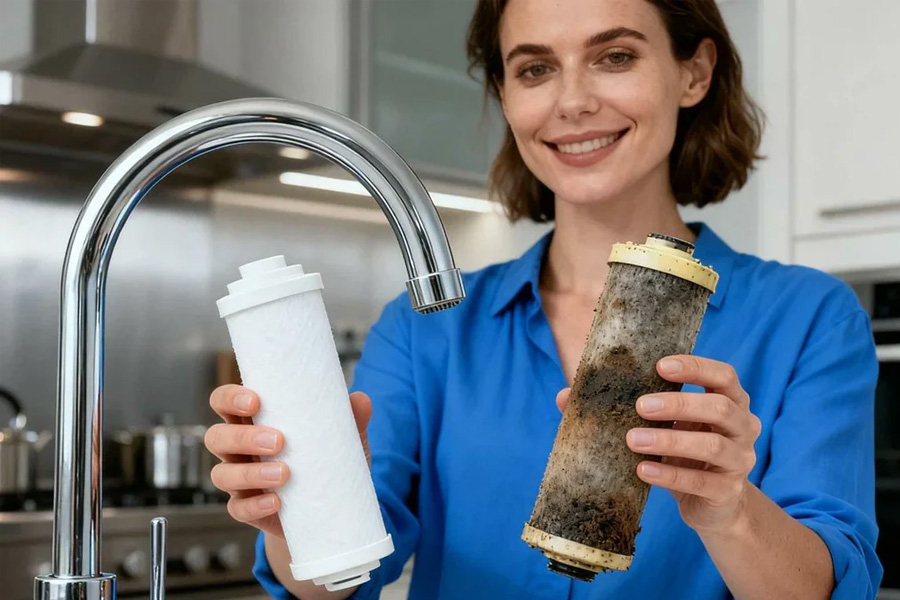
A neglected filter can quietly become a source of contamination. Build a schedule you will follow.
- Change filters by capacity or time, whichever comes first. Waiting for taste to change is too late for many contaminants.
- Clean and sanitize housings when you change cartridges. Biofilm is stubborn, and a quick wipe does not remove it.
- Replace O-rings when they show wear and keep spares on hand. A ten-cent seal prevents a midnight leak.
- For RO, swap pre-filters regularly to protect the membrane. Replace the membrane according to water quality and usage. If output drops or TDS rejection slips, it is time.
- For UV, change lamps annually and clean the quartz sleeve. A thin film can block light like sunglasses.
Maintenance is not a penalty. It is the promise that your system keeps doing the job you bought it for.
Costs and Payback Without Rose-Colored Glasses
The economics of filtration are straightforward when you map all the pieces.
- Entry level options: Pitchers and faucet-mounted filters cost little up front, but cartridge replacements add up quickly for larger families.
- Mid-range point-of-use: Under-sink carbon blocks and reverse osmosis systems typically hit a sweet spot of performance and affordability, with annual operating costs tied to filter sets.
- Whole-house investments: Sediment, carbon, and softening systems protect plumbing and appliances. The upside is broad. The bill includes installation, media, and periodic service. For many homes, appliance longevity and fewer scale-related repairs balance the ledger over a few years.
- Waste and efficiency: Older RO units might produce one gallon of purified water while sending two to four gallons to drain. Modern designs can improve that ratio, especially with booster pumps and permeate pumps. Balance purity with practicality.
Think of filtration as insurance that you actually use every day. The premium is visible and the benefit pours out of the tap.
Common Pitfalls to Avoid
- Buying by marketing rather than lab data. Match your test results to certified reduction claims.
- Ignoring flow rate and pressure. A high-end cartridge that cannot keep up with your shower is a mismatch.
- Treating symptoms but not sources. If a lead service line feeds your home, address the line with your utility while using certified point-of-use filters as interim protection.
- Mixing technologies without a plan. Some media foul others. Some systems must be upstream or downstream to avoid damage.
- Forgetting the hot side. Most drinking water filters live on the cold line. Boiling pasta or making tea from untreated hot water is fine for many homes, but be explicit about what is and is not filtered.
Special Cases That Change the Equation
- Babies and formula: Systems that reduce nitrate, lead, and disinfection byproducts are often prioritized. Point-of-use RO with a remineralization stage can provide stable water for mixing formula.
- Espresso and kettles: Scale is the enemy of heat exchange. In hard water areas, softening or scale control protects fine equipment and keeps flavors consistent.
- Aquariums and hydroponics: RO or RO plus deionization gives a blank slate for precise mineral control.
- Vacation homes: Choose low-maintenance media and plan for seasonal startup. Stagnant lines grow biofilm, so flush thoroughly and follow manufacturer guidance before the first sip.
- Wildfire or flood zones: Events can stir contaminants in source water and plumbing. After infrastructure repairs, retest and verify your system still matches the new water profile.
FAQ
Do I need both a whole-house system and an under-sink filter?
It depends on your goals. Whole-house systems protect plumbing, reduce chlorine for showers, and control sediment. An under-sink filter or RO system adds a final polishing step for drinking and cooking, targeting contaminants that are not addressed economically at the whole-house scale.
Is a water softener the same as a filter?
No. A softener swaps hardness minerals for sodium or potassium ions to prevent scale. It does not remove chlorine, lead, pesticides, or microbes. Many homes pair a softener with carbon for taste and odor, and use a dedicated drinking water filter for targeted contaminants.
Will reverse osmosis make my water too pure?
RO eliminates many dissolved solids, which alter coffee and tea flavor and extraction. Many systems have a remineralization cartridge to add calcium and magnesium for flavor and pH stability. Taste and use determine remineralized water preference.
How often should I test my water once a system is installed?
Test annually for the contaminants you care about, or after any plumbing work, system changes, or noticeable taste or odor shifts. Private wells merit testing at least once a year for bacteria and nitrates, and after heavy rains or flooding.
Do pitchers and faucet filters really remove lead?
Some do, if they use certified carbon blocks designed for particulate and dissolved lead reduction. Check that the model is certified for lead reduction and replace cartridges on schedule. Flow rate and proper installation matter for performance.
What is the difference between activated carbon and catalytic carbon?
Activated carbon adsorbs a wide variety of organic compounds and chlorine. Catalytic carbon is processed to enhance reactions with certain chemicals, making it better for chloramine and some sulfur compounds. Both require adequate contact time and proper sizing.
Can UV work during a power outage?
No. UV requires electricity to power the lamp. If your home is vulnerable to outages, consider a battery backup for critical circuits or a manual bypass plan, and avoid consuming untreated water until power and treatment resume.
My RO system wastes water. Is that normal?
All RO systems create a concentrate stream. The ratio of purified water to drain water depends on membrane design, pressure, and temperature. Upgrades like a booster pump or a permeate pump can improve efficiency. Regular maintenance maintains performance and waste ratios.
Do filters remove fluoride?
Reverse osmosis and certain activated alumina media can reduce fluoride. Standard carbon filters generally do not. Choose technology based on your desire to reduce or retain fluoride and verify the system’s performance claims.
Does a TDS meter tell me if my water is safe?
A TDS meter measures total dissolved solids, not specific contaminants. It is useful for tracking RO performance and membrane life, but it does not indicate whether water contains lead, bacteria, pesticides, or PFAS. Pair it with proper testing for a clear picture.