Build a Pre-Move Condition Log
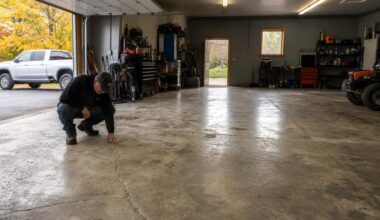
Treat your refurbishment like a museum exhibit and prepare a condition report before a single box crosses the threshold. Walk every room with bright light and a camera. Capture walls at eye level and low angles, flooring from different directions, door frames, stair treads, and trim. Note fresh caulk lines, grout joints, and any sensitive details like plaster exposes or bespoke cabinets. This record is your map and your shield. It shows movers where to be careful and offers you a baseline if something goes wrong.
Consider cure science. Paint can feel dry before hardening. Pressure dents can damage floors despite foot traffic. Allow paint several days before light contact and longer to cure. Placement of furniture on site-finished hardwood takes several days following the final coat. Grout and sealants like a few days without grit. Move in after the cure window if possible.
Engineer a Damage-Proof Pathway
A perfect motion begins outside. Reserve curb space for the truck to line with your main entrance. In a city or joint building, get authorization and insurance in advance. Durable, non-slip floor protection and a mat to remove dirt create a clean runway from truck to door. Cover any chipping threshold with a little plywood piece.
Choose a single, wide route through your spaces with few turns. Remove fragile wall art and mirrors along that route. Door slabs that pinch or swing suddenly should be removed. Wrap banisters, post caps, and newel joints with thick padding and secure with low-tack tape only on finished wood. Moveable edge guards on stair nosings. Snap firm corner protectors and run a hip-high corrugated board band along walls where box edges tend to glance off in cramped corridors.
Gear That Keeps Surfaces Safe
The right kit is the difference between a ballet and a brawl. Use breathable runners or heavy paperboard for hard floors. Felt-bottom sliders under furniture legs let pieces glide without carving arcs into fresh finishes. For the pinch points, clamp foam or plastic protectors onto door jambs and stair edges. Pads and moving blankets belong on anything that could graze a surface, not just on delicate items. Wrap the entire piece snugly and cinch with tape that never touches your paint or floors.
Place thin plywood sheets at stair bases and dollies’ rotation points. Before furniture leaves the truck, cover its feet with felt or silicone to prevent harsh surfaces from damaging your new flooring. Stretch film for soft goods and pillows, bubble or foam for sharp hardware and handles that gouge walls. Keep low-tack painter’s tape on hand to fasten covers without removing paint.
Tactics for Bulky and Awkward Items
Big parts never win wrestling matches with new finishes. Disassemble more than needed. Get rid of sofa legs, table tops, appliance doors, and closet handles. This lowers profiles and eliminates snags. Use stiff edge guards and carry vertically with two handlers and a spotter calling clearances for glass, stone, and mirrors. For big things, use forearm-style lifting straps or a board with skids to keep weight off your floors.
Set basic choreography. Two or more carry, one spots, and one controls the motion. Note twists, thresholds, and low fixtures like pendants and fans. Use micro-adjustments rather than huge swings. Never drag. Instead of forcing, back out, reassess the angle, or eliminate a barrier.
Timing, Team, and Briefings
Effective crews move like little orchestras. Start with curbside route briefings. Point out new paint, sensitive edges, hardware, and off-limits spaces. Set a footwear policy before entering. Booties or clean shoes reduce floor-scratching grit. A door captain should open and close doors to prevent slabs from pinwheeling into walls.
Build in a weather plan. Keep a pop-up canopy over the path from truck to door if rain threatens. Station towels and a boot brush at the entry. In heat, run climate control to keep humidity steady and protect finishes. In cold, avoid rapid temperature swings that can stress materials.
Guard New Features That Get Overlooked
Renovations often have a dozen sensitive features that are overlooked until broken. Protect cabinet toe kicks and island panels with cardboard and floor tape. Before building, cover stone countertops with heavy blankets. Remove or conceal faucet spouts and pot fillers to prevent grab handles in compact spaces.
Pad stair balusters and rails top-to-bottom. Protect glass balustrades with film and cushions. Keep all boxes out and place a runner across thresholds for tiled showers or recently sealed grout to avoid erosion and stains. Cap smart door hardware and keypads to prevent scratching. To protect hoses and fragile plants, move planters and sprinklers away from the route.
Unloading and Staging Without Scuffs
Staging zones are pressure valves. Choose a garage, covered patio, or resilient-floored ground-floor room. It houses all boxes first. Open with safety blades away from finished surfaces and never on the floor you just paid for. Spread moving blankets in assembly areas to protect bed rails and table leaves when fastening hardware.
Mark each room with large, legible signs. Place a simple floor layout near the door and color-code it to box and furniture labels. Items enter and land on pads or felt immediately. Stick felt glides on legs and level adjusters before placing any item. Avoid sliding metal or wood across clean floors. Keep a small kit containing coasters, glides, and a rubber mallet for final alignment.
Insurance, Documentation, and What-Ifs
Even with care, surprises happen. Confirm your movers carry the correct coverage and that you understand the difference between basic valuation and full replacement options. Some buildings require a certificate of insurance before they let a truck on site. Provide that paperwork early so move day is not derailed.
If something goes wrong, stop and document before touching. Take context images, record the time, and notify the team lead. Keep a touch-up kit containing your paint, a tiny roller, floor stain markers, wood putty, and a microfiber cloth on hand. Small nicks can be hidden if handled quickly rather than days later after dust and grease gather.
After the Dust: Quick Reset
After the last pad leaves, slowly lap the path. Look for baseboard heel scuffs, corner edge rubs, and door casing hairline marks. Clean marks with a damp microfiber before setting. Roll up runners and dump garbage outside to avoid grit on new surfaces. If a large move raised dust, vacuum with a soft-head tool and change HVAC filters. Check and gently reinstall door swings and hinges to avoid crushing fresh paint at hinge leaves.
FAQ
How long should I wait before moving furniture onto new paint and floors?
Dry and cure are not the same. Latex wall paint is commonly dry to touch within hours, but it can take a week or more to reach a harder cure that resists scuffs and tape. Oil or alkyd paints may need longer. Site-finished hardwood often tolerates sock traffic in 24 to 48 hours, light furniture placement after several days, and heavy rugs after a couple of weeks. Prefinished planks are ready sooner, but adhesives still need their window. Grout and sealers typically prefer at least 48 to 72 hours before seeing rolling loads or water. If schedules are tight, stage heavy items on pads and avoid rugs until the finish has hardened.
Can a careful DIY move protect my new finishes as well as a professional crew?
It can, but it takes discipline, gear, and numbers. Professionals add trained hands, protecting gear, and tight maneuvering experience. Planning, lifting aids, wide protecting runners, and a no-drag policy can help a DIY crew match results. Hiring specialists with the necessary insurance and equipment for many steps, large pieces, or fragile bespoke work is typically cheaper than correcting a mistake.
What is the best way to protect stairs during a move?
Use a sturdy, non-slip runner that covers all treads. Edgeguard-removable cap nosings. Pad rails and newel posts with low-tack tape. Keep a spotter at the top and bottom to call clearances. Use shoulder straps or a skid board for big things to keep weight and feet steady. Always clear the stairs of tools and boxes.
How do I keep doorways and frames from getting dinged?
Tight clearances need door slab removal. Install frame-clamping jamb guards to spread impacts. Dual-sided foam handles and latches. Rotate carriers between journeys through the same aperture to avoid technique loss. Avoid pressing a pivot that will cut the trim by backing out and disassembling a resistant piece.
What should I do if rain hits on move day?
Make a dry chain. Install a cover from the vehicle to your doorway, absorbent matting inside and out, and a boot brush and towel station. Before leaving, wrap objects completely to avoid moist blankets touching walls. Midday, switch wet runners for dry ones to maintain traction and prevent moisture from entering new flooring. In lightning or high weather, stage beneath shelter to slow down and decrease carry lengths.
Are there materials I should keep boxed longer to protect new interiors?
Yes. Store loose hardware, wall-mounted shelving, and art in the staging zone until furniture arrives. Use padded spaces with stands to unbox mirrors and glass. Floors should cure before unrolling rugs. Avoid building particleboard or veneer in humid situations where swelling edges might scratch finishes.