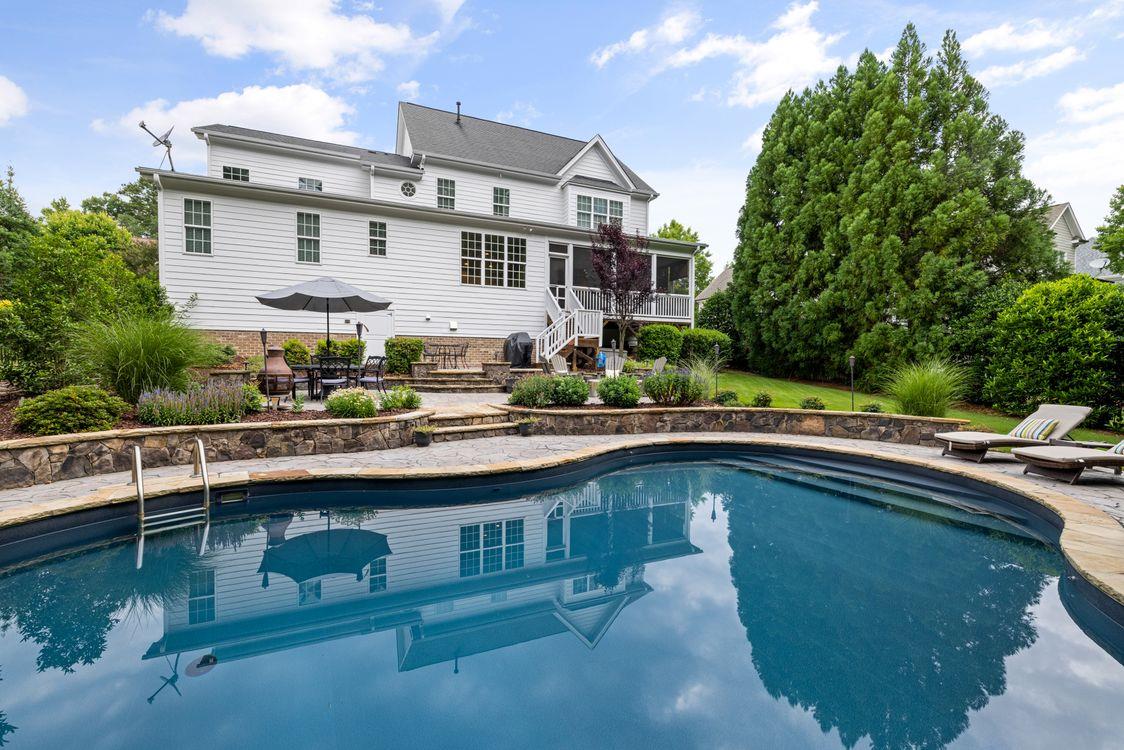
Does the pool look like it’s seen better days?
Peeling paint. Stubborn stains. Chipped plaster. When you see these things in your pool, it’s time for professional pool resurfacing services. Not if it’s needed… WHEN!
The good news?
It’s actually much simpler than most homeowners think. Plus when you know what to expect each step of the way, it takes the anxiety out of the project.
What you’ll uncover:
- When Does a Pool Need Resurfacing?
- How Long Does Pool Resurfacing Take?
- The Step-by-Step Pool Resurfacing Timeline
- What Affects the Timeline?
- How Much Does Pool Resurfacing Cost?
When Does a Pool Need Resurfacing?
Tile installation for pools depends greatly on upkeep. On average, pools require resurfacing every 10 to 12 years. Normal plaster — the most common finish — will usually last about 10 years before it begins to show noticeable wear.
If your plan involves pool replastering, a pebble finish or quartz aggregate coating, quality pool resurfacing services will know which product is best for the pool type, climate and your budget. Nailing this decision early is what makes the difference between a lasting finish and a surface that cracks in a few years.
Here are the most common signs it’s time to act:
- Rough or sharp surfaces underfoot
- Visible cracks or chips in the plaster
- Stubborn stains that won’t respond to cleaning
- Plaster peeling or flaking away
- Widespread discolouration across the pool walls
Neglect these warning signs at your peril. Tiny cosmetic cracks can become major problems fast. You can always save money by repairing earlier rather than waiting for structural repairs.
How Long Does Pool Resurfacing Take?
Here’s the short answer…
On average a pool resurfacing project will take 1 to 2 weeks to complete. Projects that just involve plastering can happen quicker. Finishes that are more involved — such as exposed aggregate or pebble — can take a bit longer.
Weather is another factor. Rain and humidity can slow down curing and set you back days.
But here’s the thing…
The timeline isn’t random. It follows a clear, repeatable sequence every single time.
The Step-by-Step Pool Resurfacing Timeline
Here’s exactly what happens — and when — during a professional pool resurfacing project.
Step 1: Inspection and Pressure Testing (Days 1–2)
One of the first things that a professional contractor will do is examine the pool shell. They will check for cracks and structural issues as well as any repairs before the new surface is applied.
A pressure test also checks the plumbing and equipment for leaks.
Most homeowners don’t realise how important this step is. Finding an unseen crack or leak halfway through a project costs time and money. Discovering problems early means the home improvement project stays on track — and on budget.
Step 2: Draining the Pool (Days 2–3)
After inspection, the pool is drained. This usually takes 6 to 12 hours depending on pool size.
Sump pumps may be installed in the deep end to help remove leftover groundwater. There may be an inch or two of cloudy water at the bottom. That’s normal too.
FYI — Check with the local municipality regarding disposal of pool water before booking. Some have ordinances dictating where pool water can be drained.
Step 3: Surface Preparation and Repairs (Days 3–6)
This is the most labour-intensive phase of any pool resurfacing project.
The existing finish is stripped away all the way down to the original pool shell. Repairs are made to any cracks, rough areas or damaged areas before the new surface is applied. Neglecting this step is where most bargain contractors cut corners — and it’s also why delamination occurs down the road.
Good preparation is what separates a ten year surface from a two year failure.
This phase can also include:
- Installing new waterline tile
- Repairing or replacing coping
- Addressing deck resurfacing if it’s part of the project scope
Step 4: Applying the New Surface (Days 6–8)
Next up is the new finish. The type of material selected will have a direct impact on this portion of the schedule:
- Plaster — Fastest to apply. Ready to fill within 24 hours of application.
- Quartz blend — Mid-range timeline. More durable and stain-resistant than standard plaster.
- Pebble or aggregate — Dustiest application process. Slower, but provides the longest lasting end result.
Applying is a craft skill. Most plaster finishes require that the material remain wet until it’s all applied — forcing the crew to work quickly and without stopping.
Step 5: Refilling the Pool (Days 8–10)
The surface has been prepped. Now it’s time to fill back up. Depending on size and water pressure it should take between 12 and 48 hours to fill the pool.
Here’s something most people get wrong…
Too much fill too fast causes an uneven cure on the new surface. Cracks will result eventually. Take your time, it’s worth it.
Step 6: Water Balancing and Curing (Days 10–14)
This is the last step — and the one most homeowners want to avoid.
Water chemistry must be balanced during the first few days following fill. Calcium hardness, pH and alkalinity will all need to stabilise before pool opening.
The majority of pool professionals would advise against swimming for at least a week after resurfacing. This allows the surface to completely cure. Swimming too soon can damage the finish — and even irritate your skin.
What Affects the Pool Resurfacing Timeline?
Projects don’t all progress according to the same timeline. Things that affect how long it takes to do a job are:
- Pool size — Larger pools take longer at every stage
- Surface condition — More damage means more prep time
- Material choice — Pebble finishes take longer than plaster
- Weather — Rain delays curing at multiple stages
- Add-ons — Tile, coping, and deck work all extend the timeline
How Much Does Pool Resurfacing Cost?
Budget is always part of the conversation.
Pool resurfacing costs between $6,000 and $15,000 on average. The exact price varies based on pool size, pool surface type and finishing material. Basic replastering falls on the low end. Pebble and aggregate finishes trend higher.
Here’s a rough breakdown by finish type:
- Plaster — $6,000 to $8,000
- Quartz aggregate — $7,000 to $10,000
- Pebble finish — $10,000 to $15,000
- Tile — $15,000 and above
Expect to pay between $45 and $65 per hour for labour. The condition of the pool and its size as well as where the contractor is located will play a part in the final price. Factor in the refill cost of the pool once the job is complete.
That’s the Full Picture
Resurfacing a pool is one of the best home improvement investments to be made. It protects the shell of the pool, increases safety and completely changes the look of the backyard.
The process always follows the same proven sequence:
- Inspection and pressure testing
- Draining
- Surface prep and repairs
- New surface application
- Refilling
- Water balancing and curing
Schedule adequate time (1 to 2 weeks), choose the correct contractor and never rush the cure. If done properly the new surface will last ten or more years.