A bed liner spray kit protects your truck bed from scratches, moisture, dents, and chemical exposure. You can use a DIY kit, which requires careful application and adherence to the manufacturer’s curing times. Choose high-quality kits and prepare the bed properly to prevent peeling, bubbling, or a tacky finish. Here are a few mistakes to avoid when using a DIY kit:
Buying Low-Quality Kits
Opt for bed liners with the highest tensile strength; the liner should offer superior tear and abrasion resistance for long-term protection. Look for a bed liner spray kit designed for specific requirements, such as hauling tools, lumber, gravel, or weekend gear. Choosing one with high-quality materials keeps your truck bed safe.
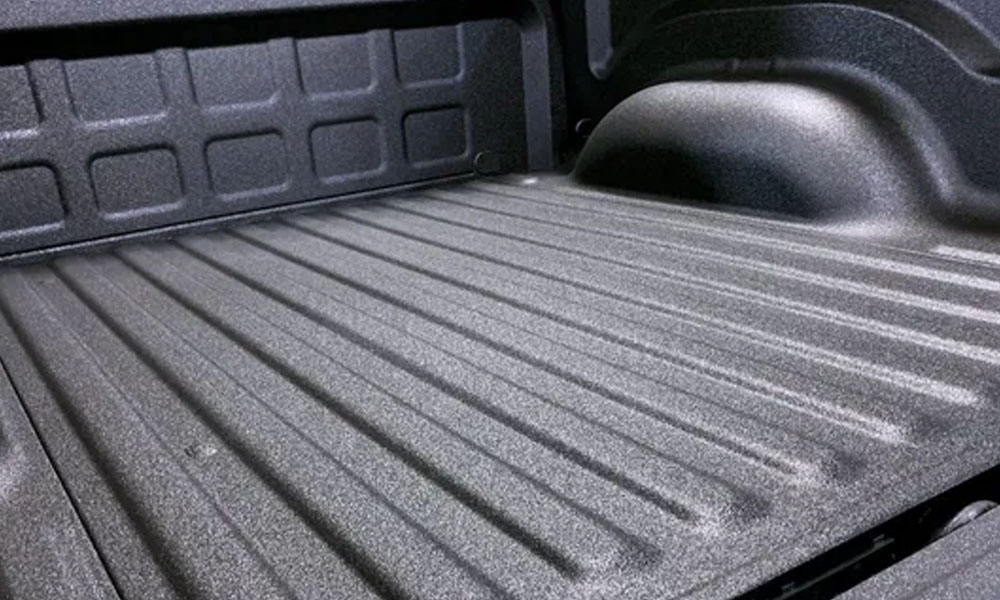
Quality liners feature additives such as Kevlar, rubber crumb, and silica sand, which enhance grip and rugged durability. The non-skid, textured surface supports cargo control and reduces shifting load during transport. Choose liners made of urethane, which forms a thick, rubberized shield ideal for:
- Absorbing impact and resisting dents and gouges
- Sealing moisture and chemicals from damaging the truck’s finish
- Preventing chalking, fading, and breakdown from UV exposure
Skipping Necessary Prep Work
Applying a spray-on bed liner requires thorough surface prep, which includes removing dirt and grime, sanding, and treating rust before application. Skipping any of these steps may lead to uneven texture or weak adhesion problems. Avoid applying bed liner over glossy factory paint to prevent poor adhesion; scuff the entire surface with sandpaper to create a bonding profile.
Wipe the bed down thoroughly using wax and grease remover to eliminate trapped dust and debris that can affect bonding. Sand down the rust to bare metal, apply a rust converter, and use a self-etching primer. Spraying the liner over rust will lead to encapsulation, and the corrosion will spread underneath. Mask bolts, tie-downs, and other hardware, or surrounding bodywork with tape to avoid the extra work of cleaning cured, hardened liner. This will help the liner adhere to the truck bed.
Applying Inconsistent Coat Thickness
Thin liners offer weaker protection, while thick applications create drips, uneven curing, and soft spots. The ideal approach to spraying a bed liner is to apply several controlled layers rather than applying a single heavy coat. Aim for a consistent spraying distance and speed, and use smooth, overlapping passes to achieve even thickness. You can find a batch mix system designed for seamless application to eliminate guesswork.
Rushing the Curing Process
Liners might feel dry to the touch within a few hours of application, but take longer to cure before you start hauling cargo. Schedule application during ideal weather to avoid rushing the dry time; factor in temperature and humidity conditions during application. Cold conditions slow curing and weaken adhesion, while excessive heat dries the surface too quickly before the coating levels properly.
High humidity may also interfere with curing and cause imperfections. Apply the bed liner indoors or in moderate weather; check the manufacturer’s listed temperature range. Maintain proper ventilation to prevent the strong fumes from building up in indoor spaces. Proper airflow also allows the coating to cure more consistently.
Find a Bed Liner Spray Kit Today
Bed liner kits include instructions for proper application and curing, and following the manufacturer’s process often leads to the desired results. Hold the spray gun at the right distance and avoid rushing between coats to prevent bubbling and curing issues. You should also wear gloves, masks, and eye protection for safe application. Find a high-quality DIY bed liner spray kit today to protect your truck bed.