Luxury After Dark: Principles that Matter
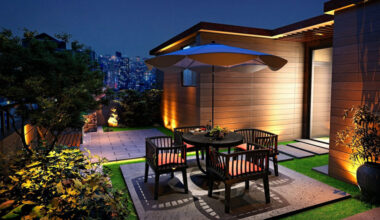
Outdoor luxury is not the loudest or brightest fixture. The choreography of light and shadow, the tranquil safety of a road, and the breath of a façade after sunset. Garden and landscape lighting shapes views, guides movement, and creates a lasting mood. AQ Lighting uses restraint and accuracy to help designers and contractors create beautiful and functional environments.
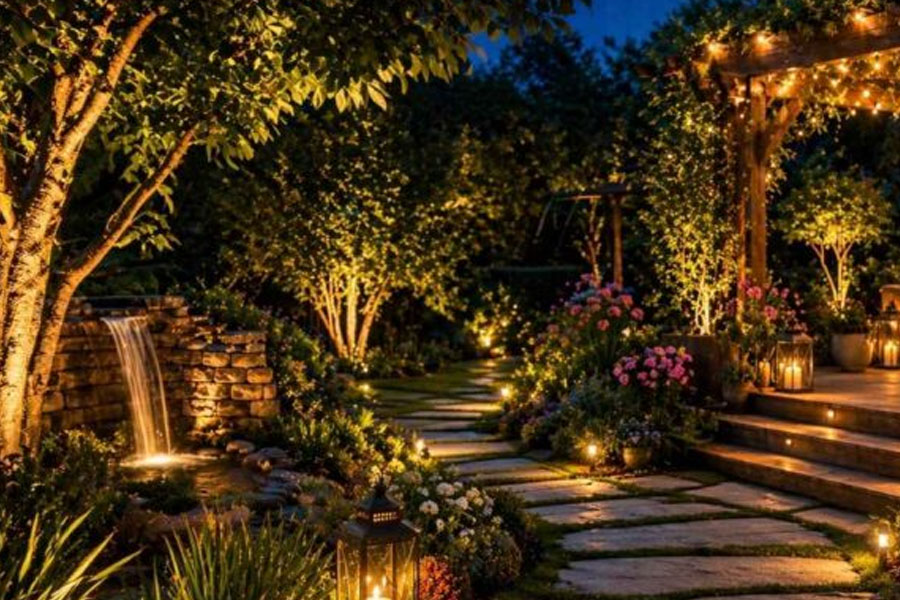
Begin with purpose. Determine your landscape’s nighttime story. A specimen tree may need artistic accents. A stone wall may need grazing texture to highlight its craftsmanship. Water features need a subtle glow, not a spotlight. Simple discipline: light what you love, leave the rest to night.
Light Quality as a Design Tool
Two projects with the same lumen count can feel different. Quality of light differs. Color temperature affects mood. Warm light at 2700K gives wood, bark, and dirt an intimate warmth. Tighter tones at 3000K are great for clean stonework and modern lines. If not employed for cool-toned plants, higher temps can be clinical.
Truth is shown by color. High CRI highlights leaf gradients and building texture. Beam control shows precision. Narrow beams create sharp column or trunk embellishments. Medium beams support focal points and planting masses. Wide beams gently wash hedges or facades without hot spots. Premium designers use optical control and shields from AQ Lighting to pinpoint topics without glare.
Dimming is important. Guest arrivals and seasonal changes allow light to breathe. Paths and terraces benefit from subtle dimming, especially in low fog or after rain when reflectivity rises. In layered systems, path lights, accents, and grazing sources can descend at varied ratios to maintain hierarchy.
Material Truth: What Premium Looks Like Up Close
Outdoor fixtures suffer in coastal air, sprinklers, and the sun. Metals and seals are premium. Cast brass resists corrosion and matures well. Marine-grade steel is a seaside staple. Inland, thick-wall aluminum with strong powder coat holds up. Water will enter if gaskets, lens seals, and fasteners don’t meet housing quality.
Tight-locking hardware matters. A knuckle with interlocking teeth stays on target during wind and maintenance. Cable management that resists wicking keeps water out. Debris-shedding lenses save output and cleaning. AQ Lighting designs fixtures for pros in real-world use, not showcase ones that fatigue.
Look for meaningful ratings. Weather preparedness is shown by wet-location listings and meaningful IP ratings. Thermal design enhances L70 lifespan and color stability by cooling LED engines. Details reveal themselves over time. Luxury and compromise are distinguished by fixtures that patina rather than peel, optics that remain clear, and fasteners that release rather than seize.
Smarter Nights: Controls and Experiences
Modern luxury is control. After dark, a garden might gently wake up, greet visitors, and settle late. Photosensors and astronomic timers provide hands-free, seasonally precise operation. Zones enable purposeful space creation. Hospitality patios, tranquil garden rooms, and circulation routes seldom need the same level. Smart controllers provide scene recall and remote access for properties with variable use.
Color tuning and RGBW effects have a place when curated with restraint. A subtle seasonal hue on a water feature for a weekend event can be charming. Daily life benefits more from consistent white light, where warmth makes masonry inviting and plant material honest. AQ Lighting offers compatibility with common control platforms so contractors can integrate schedules and scenes without niche systems that are tough to support.
From Plan to Ground: Installation Methods that Last
Good design fails quickly due to poor installation. Clean electricity and weatherproofing are essential for low-voltage systems. Hub wiring for accents promotes voltage consistency among heads, especially on larger estates. Multi-tap transformers and heavier cable compensate for distance and load placement. Thoughtful layout prevents long daisy chains that deplete distant fixtures.
Achilles’ heel: connections. Keep moisture out with gel-filled or heat-shrink connectors. Keep water away from housings via drip loops at entries. Accessible junctions should be discreet. Firm soil with seasonal adjustment should support stake mounts. Field-cut channels and conduit preserve cable and allow replacement without demolition for hardscape fixtures.
Polishing happens during commissioning. Aim at night with the homeowner or designer. Assess glare from typical angles. Adjust shields, cap spills, and balancing levels for clear topics and pleasant routes. Installer-friendly hardware and flexibility from AQ Lighting reduce field hours and callbacks.
Sustainability and Stewardship
Premium lighting respects the night. Shielding, cutoffs, and sensible lumen levels reduce skyglow and neighbor spill. Warmer color temperatures are easier on wildlife and human circadian rhythms. Timers and dimming keep energy use tight without sacrificing experience. LEDs with high efficacy and long lifespans cut waste, and rugged housings reduce replacement churn.
Gardens are living systems. Light should adjust, not increase, as plants mature. Adjustable mounts and optics allow re-aiming and re-scaling without clutter. AQ Lighting prioritizes stewardship and whole lifespan value with maintainable components and durable finishes.
Metrics that Justify the Investment
Beautiful nightscapes are emotional, but business is realistic. Refined lighting improves appearance, safety, and nighttime usability. Hospitality venues prolong stays. Residents enjoy patios and gardens after work. Reduced trip dangers and better first impressions yield sustained returns.
Contractors measure value by fewer failures, maintenance hours, and install times. Durable housings, uniform color bins, and reliable optics reduce site visits. Client-friendly controls reduce support calls. Modular components protect infrastructure and prioritize impact during upgrades. AQ Lighting uses these practical metrics to make premium look and last year after year.
Field Notes: Three Scenarios with AQ Lighting
Tight-beam uplights just off trunks graze polished bark and sustain circulation in a modern courtyard with smooth concrete and olive trees. Pause points are marked by warm 2700K lamps under chairs in low path lighting. Guest movement is intuitive with soft-keyed house numbers and entry hardware.
A wooded slope behind a traditional home calls for layered planes. Wide beams kiss the lower understory. Midstory accents pick out sculptural branches. A restrained wash on a stone retaining wall binds the scene. As leaves fill out in summer, dimming curves rise slightly on key accents, then fall back in winter to keep the balance between bare structure and surrounding dark.
Coastal terraces battle salt and wind. Step and wall lights in cast brass with sealed optics handle exposure. Shielding blocks ocean glare. Timers follow the seasons, and zones increase fun while lowering perimeters for neighborliness. Hardware ages gracefully, revealing a modest narrative without continual care.
FAQ
What color temperature should I choose for a residential garden?
For most residential spaces, 2700K offers a welcoming warmth that flatters wood, stone, and planting. Use 3000K for slightly crisper modern palettes or where you want to emphasize texture on light-colored masonry. Keep a consistent temperature within a zone to avoid patchwork visuals.
How bright should path lights be to balance safety and comfort?
Aim for gentle guidance rather than runway illumination. Typical path heads delivering 100 to 200 lumens each, spaced according to beam spread and planting density, create comfortable visibility without glare. Stagger placement and shield light sources to keep eyes relaxed.
What makes AQ Lighting a strong choice for coastal or high-exposure sites?
Attention to materials and seals. Fixtures built from cast brass or marine-grade metals resist corrosion, while robust gaskets and fasteners keep moisture out. AQ Lighting emphasizes hardware and finishes that survive salt air, sprinklers, and sun, which reduces maintenance over time.
Can I integrate AQ Lighting with smart home controls?
Yes. AQ Lighting solutions work with common low-voltage control strategies, including timers, photo-sensors, and smart controllers that enable scene programming and remote access. This allows schedules to follow seasons and zones to shift with activities.
How do I prevent voltage drop on larger properties?
Use a multi-tap transformer sized for the load, choose heavier gauge cable for longer runs, and favor hub or spoke wiring to keep runs balanced. Place transformers strategically near load centers, and commission at night with a meter if needed to verify performance across zones.
Are adjustable beams and shielding worth the upgrade?
They are. Adjustable optics and glare control let you fine-tune focus, reduce spill, and evolve the composition as plants grow or uses change. This flexibility protects the design intent and avoids adding more fixtures later to solve problems that aim and shielding can address.