Introduction
In this modern business era where manufacturers compete not only for productivity but also for quality, companies are always searching for ways on how to make their production process more efficient and effective. As such, many firms turn to automated packaging equipment and automated packaging solutions for the purpose.
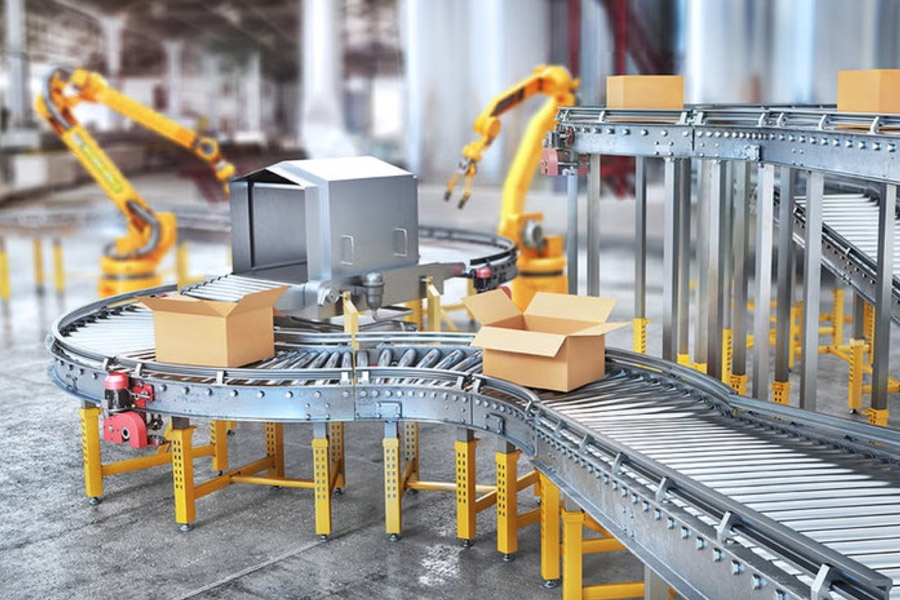
Automation has revolutionized packaging and turned it into an area that can give a company competitive advantage. Through sophisticated machinery, robotics, and software, a business becomes able to deliver faster throughput, greater accuracy, and higher workplace safety along with packaging quality.
What Is Automated Packaging Equipment?
Automated packaging equipment involves machines created to complete packaging jobs with the least human interference possible. The following are some of the functions performed by automated packaging equipment:
Filling/Dispensing
The automated filling equipment is used to measure and dispense products into packages.
Sealing/Labeling
These automated systems are used in packaging plants to increase efficiency and stay compliant with relevant standards.
Wrapping/Cartonizing
Modern wrapping machines can wrap products and even put them into cartons faster than human workers.
Palletizing
There are automated machines designed to place products into packages ready for shipment.
Increased Need for Automated Packaging Systems
The growing shortage of labor, high cost of operations, and increased customer needs make it necessary to increase the use of automated packaging technologies.
As stated by the International Federation of Robotics (IFR), there has been an unprecedented number of industrial robots installed worldwide, indicating the increased shift towards automation in all sectors of manufacturing. The reason behind this is that people are beginning to understand that automation is now an absolute necessity.
Automated packaging solutions utilize equipment, software, sensors, and analytical tools to develop intelligent machines.
Key Advantages of Packaging Automation
Increased Efficiency
Perhaps one of the primary benefits of packaging automation is that such processes enable increased production volume. Automated machines do not require breaks in their operations and therefore can help a manufacturer satisfy a higher level of demand for its products without having to employ additional workers.
Greater Quality Control
Manual operation of machinery can sometimes be inconsistent due to human error. Automated systems do not have such flaws, which means that businesses will achieve consistent results when performing the same tasks repeatedly.
Decreased Operating Expenses
Although automation demands an upfront investment, many companies find it cost-effective because of:
- Decreased staffing expenses
- Reduction in product waste
- Decrease in packaging errors
- Increase in machine performance
- Fewer returns
Workplace Safety
Manual packing involves lifting heavy products, performing repetitive actions, and even working with dangerous machinery at times. Automation will minimize the risk of injury to the staff.
Scalability of Operations
An automated system will be easy to scale, allowing a company to handle increased loads or new challenges without hiring more people.
Better Scalability
Automated systems allow businesses to scale operations efficiently. Whether handling seasonal demand spikes or expanding into new markets, manufacturers can increase capacity without dramatically restructuring their workforce.
Industries Receiving Assistance from Packaging Machines
Food and Beverages
Manufacturers of food produce have automated machinery to help them comply with cleanliness and speed requirements and guarantee precise labeling of their products.
Pharmaceutical and Health Care Industry
Highly regulated industry such as pharmaceutical must be extremely precise in their operations. The implementation of automated packaging machinery is important in ensuring compliance.
Consumer Goods
Firms manufacturing consumer goods that include household items, beauty and skin-care products employ automation in packaging their products in huge volumes.
E-commerce
Rapid growth in online sales has increased demands for efficient packaging processes.
Real-World Benefits of Automated Packaging Processes
A number of manufacturing companies have found their operations benefit significantly from packaging automation. Real-world examples of this are seen often, with benefits in terms of increased efficiency, reduced downtime, and improved packaging accuracy.
For instance, firms that use robotic palletizing equipment have been known to see a considerable decrease in the need for manual handling, together with an increase in efficiency at the end of the production line. Another example is automated inspection technology that detects product defects immediately and thus eliminates quality problems from occurring down the road.
Criteria for Choosing an Automation System for Packaging
Production Needs
Consider the current level of production as well as anticipated future increases in production.
Product Nature
The packaging equipment needs to match the nature of the product – size, shape, weight, and other attributes that require special treatment.
Compatibility with Other Systems
An ideal packaging system will work seamlessly with the other machines and software used within the factory.
Technical Support and Maintenance
One might need to look into the support and maintenance offered by the provider of the packaging system.
ROI
Considerations of return on investment must not be overlooked.
Future of Automated Packaging Technology
The next step in packaging technology innovation is becoming more reliant on artificial intelligence, machine learning, and the Industrial Internet of Things (IIoT). The result is improved predictability, real-time monitoring, and data analysis capabilities.
Advanced packaging systems can adjust parameters on their own, analyze inefficiency, and operate efficiently without any human input at all. With the ongoing technological development, automated packaging will continue to become more adaptable, smart, and inexpensive.
Conclusion
Implementing packaging automation equipment and automated packaging systems as a whole has become an indispensable approach for companies that need to increase efficiency, lower expenses, and remain relevant in a changing industry environment. By using automation technologies, companies will be able to increase productivity, ensure the quality of their output, guarantee worker safety, and make provision for future business development.
As the market grows and demands higher rates of production and reliability, companies that use the latest in packaging automation will be well-prepared to satisfy the requirements of consumers.