For many people, depression is still taboo. They hide it like it’s some ugly secret that’s going to make them look less than others. Then, there’s treatment, which takes time and effort, something that doesn’t go well with depression. But treatment is the catalyst for change. Luckily, with non-invasive options, getting better is more approachable than ever.
You Stay in Charge of Your Day
One of the clearer advantages is that non-invasive therapies in Australia do not usually demand that you press pause on your entire life. You are not disappearing into a long recovery period. More importantly, you’re not dealing with major physical after-effects.
You also get to make decisions about timing and pace in many cases. Appointments can be fitted around work or study. It is not perfect or effortless, but no recovery is.
Gentle Nervous System Reset Without Feeling Overwhelmed
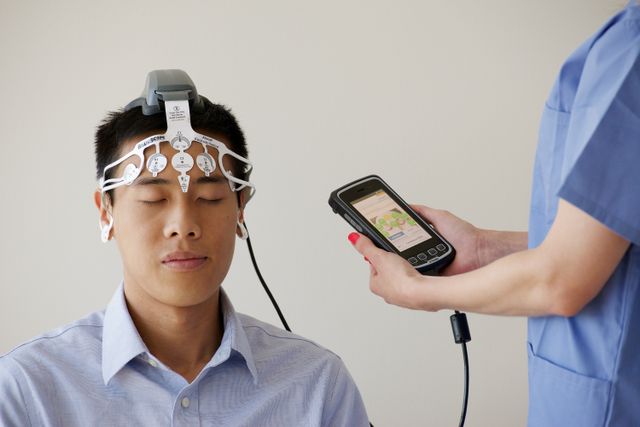
Non-invasive therapies can feel like they patiently give your brain a chance to settle without. You are not pushed into extremes. Nothing is intense. Nothing is intolerable. Some may even be pleasant, such as TMS, which is a brain stimulation where you feel light taping on your scalp during the treatment.
This is good news because you can usually keep showing up to your normal life while this is happening. You are not knocked out of routine or recovery mode for weeks. Even options like TMS therapy in Sydney are designed around outpatient schedules, so you go in, receive treatment, and leave without needing someone to take over your day.
Learning Skills That Stick
Therapies like cognitive behavioural work or structured talk-based approaches do more than temporarily lift your . They help you understand. Although some may argue that understanding how your thoughts loop isn’t necessary. But, for some people, this is exactly what they need.
If you relate to that, over time, you’ll likely start noticing the early signs of a dip before it fully takes over. You are not relying on short relief alone, you are building something you can reuse. It does take effort, and it can feel awkward at first, but this skill sticks around and eventually becomes normal.
Lower Physical Strain and Fewer Disruptive Side Effects
Another benefit that often gets overlooked is how physically manageable non-invasive therapies are. You are not dealing with surgical recovery, and you are not usually hit with heavy physical disruption.
Even when mild side effects show up, they tend to be temporary and manageable, like light fatigue or a bit of discomfort after sessions. That is still not nothing, but it is different from treatments that completely knock you off your feet. You can still go home, cook dinner, and handle basic tasks, even if you feel drained or plain tired.
Sleep and Energy Patterns Start to Stabilise
Depression often messes with sleep in ways that are hard to untangle. You either get too much of it or not enough, and that can cause all sorts of disruptions and emotions. Non-invasive therapies often include strategies that gently reset how your body understands rest and wake cycles. This can include light exposure guidance or structured routines.
When sleep starts to improve even slightly, you start noticing changes. Your daytime energy follows. It is not instant, and it is not linear, but the difference between the rest that depletes and even slightly stable rest is noticeable.
Rebuilding a Sense of Connection Without Pressure
Depression can pull you away from people without you fully noticing it happening. When you start with non-invasive therapies, you quickly realise that they often include gentle encouragement to reconnect socially. You don’t only get encouragement, but you also get support. You have something to lean on when reentering the social scene.
You do not suddenly become socially confident, and that is not the point. Instead, you start tolerating interaction again. Over time, it starts feeling less exhausting, and eventually you return to your old self. That shift matters because it creates a ripple effect. Isolation tends to reinforce low mood, and breaking that loop pushes you in the opposite direction.
Conclusion
Dealing with depression is extremely difficult, and seeking help can sometimes feel like the hardest part. Once you make the first step in the right direction, you are increasing your chances of full recovery. Starting with non-invasive treatments is the way to go, as this is the gentlest way to approach a burdened mind and give it hope.