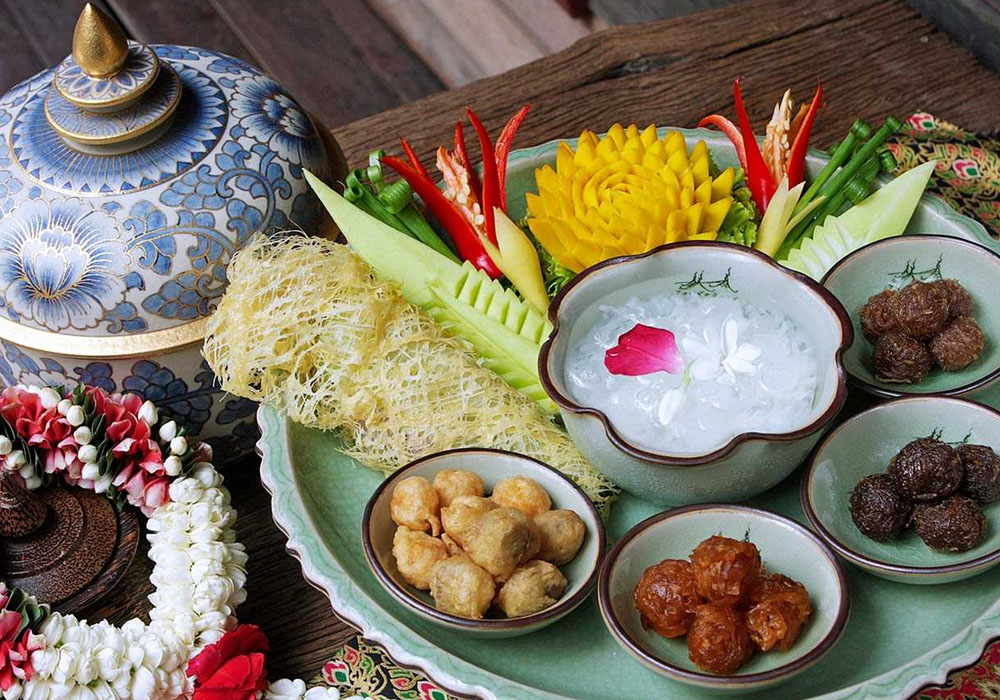
Walk through nearly any historic British market town today and you will find something that would have been largely unheard of twenty years ago, a Thai kitchen in a Georgian townhouse, a Sichuan menu chalked up beside a medieval archway, a Vietnamese street food outfit in a former hardware store unit. This is not cultural repurposing. This is a town reimagining itself over dinner.
The Predictable Past of Regional Dining
Throughout the majority of the 20th century, if you were to eat in a British market town you’d be confronted with a series of options. There was the pub, the tea room, or, if the residents were feeling particularly exotic, the generic “Indian” that’s been on the corner since the 1980s, tweaking a menu that bore little to the subcontinental habit but which it was roughly supposed to represent.
This wasn’t a regional phenomenon, it was a national trait. Food in these towns was about comfort, familiarity, and a certain level of resilience to anything that was foreign or sounded like it might be too much of a fuss. If you were lucky, you’d have an Italian restaurant in the area, that’s as far as things got in most towns and even then, it was usually reliant on the trusty old spaghetti bolognese and garlic bread rather than anything that was really traditional from the old country.
The gastropub era cracked this open a little. Starting in the late 1990s, pubs focused more on food, better-quality ingredients, and better cooking began to appear on the local menu. That made a difference, it showed people living regionally that they didn’t have to settle for less, but it was only the first step.
What Changed, and Who Drove it
The real change was actually caused by people, not by menus. Remote work sped up a rural migration from cities that was already happening, and the professionals who moved out of London, Manchester or Edinburgh to smaller towns didn’t leave their taste buds in the city. A person who ate at Thai, Japanese or natural wine-led restaurants for years in the city won’t just be happy with a microwave curry and some oven chips.
This demographic change applied direct pressure to the high street. Landlords with empty units would give an independent operator a chance. New residents would support them. And so, the culinary map of towns that had looked almost the same for decades began to shift.
It wasn’t just the return of city workers. A more general shift in taste has been taking place. Over 45% of consumers in the UK now actively look for new and more authentic global flavors when eating out, with cuisine types like Thai and regional Asian growing the quickest in towns out of London (CGA Peach BrandTrack). This is not a preference for a minority, this is the majority sentiment looking for a way out wherever they can.
Bath as a Case Study in Culinary Transformation
Bath is the best example of this pattern working well. The city is a UNESCO World Heritage site, the Georgian architecture is protected, the Roman history is everywhere, and the overall feel is about as “traditional Britain” as it gets. The Pump Room still serves afternoon tea. The covered market still has its independent cheese and deli traders.
And yet Bath’s dining scene has quietly become one of the most genuinely diverse outside the major cities. Visitors and residents searching for bold, authentic Southeast Asian flavors will find a thai restaurant in Bath sitting entirely naturally alongside those traditional tea rooms, operating within the same historic cityscape. That coexistence isn’t accidental, it reflects deliberate choices by the city, by independent operators, and by a population that consistently picks quality over comfort.
What Bath demonstrates is that heritage and modernity aren’t in tension at the table. The Roman Baths don’t become less significant because a Thai kitchen is working half a mile away. If anything, the contrast makes both more interesting. The city’s identity becomes layered rather than flattened.
The physical integration matters too. Many of these restaurants operate within listed buildings, thick stone walls, tall Georgian windows, original fireplaces, and the result is often a dining environment that feels genuinely unique. The setting amplifies the food. A meal that might feel ordinary in a purpose-built restaurant unit takes on a different quality when eaten in a room that has been standing since 1780.
The Palate Has Genuinely Moved on
A clear distinction can be made here between what used to be available in British towns regarding “global” cuisine, and what is currently being offered. International food was normalized for a long time. The flavors were toned down, the textures were more familiar. The overall taste was modified to fit within the British culinary culture. This led to many of the original, unique tastes and elements being lost in the process.
What has changed is that people are now seeking real, authentic flavors. They want to taste the actual sourness of a good pad Thai, the real heat of Sichuan peppercorns, the freshness of lime leaf and galangal, rather than a milder adaptation of it. With more people traveling, watching food shows, and sharing on social media, individuals have had direct exposure to the authentic tastes. People have become more knowledgeable and can often tell when a dish has been modified. This new level of awareness has set new standards of expectation.
This is not only about embracing new flavors but also about showing respect. People who seek genuine, regional cuisine are, in fact, rejecting the idea of compromising with a watered-down version of someone else’s culture. The restaurants that are now catering to this demand have elevated their games. They take sourcing, preparation techniques, and maintaining the original integrity of flavors very seriously, something that wasn’t of such concern in the past.
Saving the High Street, Plate by Plate
The financial aspect of this is typically overlooked. Historical British town centres already had a retail issue long before any pandemic was on the horizon to hurry it along. Shops closed, and the units stood empty, often in architecturally important buildings that couldn’t readily be re-purposed. Independent and boutique-group global restaurants happened to fill the space left by that.
A good restaurant will generate evening footfall in a manner that a clothing shop never could. It brings people into a town centre after 6pm, which drives secondary spend at other venues. It employs local staff, sources from local suppliers where possible, and gives residents a reason to stay in their own town rather than driving to the nearest city for a decent meal. The cultural contribution matters, but so does the straightforward economic one.
Street food markets were important in making that happen. They acted as low cost test-bed environments in which global food concepts could build a following before making the commitment to a permanent site. A Thai street food vendor who had built a loyal customer base at a Saturday market was taking a lot less risk when they eventually signed a lease and so was the landlord. That pipeline has quietly been feeding the diversification of dozens of town high streets for the last decade.
The Local-Global Ingredient Conversation
One of the key differences between the best global restaurants in British towns and their city cousins has been their relationship to local agriculture. West Country beef, local game, regional cheesemakers, small-scale herb, and vegetable growers, these are ingredients a regional restaurant can get at more easily and affordably than its London equivalent, and more and more, kitchens have been tapping into that.
The result has been a truly hybrid cuisine, not fusion in the old, slightly disparaging meaning, but simply the inevitable result of good cooks working with the best ingredients to hand and the techniques they know. A Thai kitchen using local free-range chicken and regional lemongrass grown in a Sussex polytunnel is doing something that wouldn’t arise anywhere else. It’s specific to place in a way chain restaurant cooking never is.
What’s Happened to Formal Fine Dining
The other side of the story is what’s quietly been declining. The formal, multi-course French-influenced fine dining model, stiff tablecloths, lots of cutlery, a hovering sommelier, hasn’t gone entirely, but it is no longer the ideal night out for most regional diners. The casual, shared, convivial global dining experience is now that.
This isn’t about cost or accessibility, though those things do matter. It is about what feels alive. Shared plates, open kitchens, unfussy service, bold flavors that arrive quickly and don’t apologize for themselves, this is what most people would now like from a meal out in a town they care about. The global restaurant formats that have been arriving in British towns deliver that almost by default.
The regional diner is no longer a compromise customer who can’t get to the city. They are someone with considered preferences, spending power, and a genuine interest in eating well where they live.
A Town With More to Offer
Historic British towns built their identities on architecture, craft, and commerce. What has changed is that food has become another dimension of that identity, and in many places, it’s become a primary reason to visit. The Georgian streets of Bath, the medieval centres of towns like Ludlow or Cirencester, the harbour-fronts of coastal heritage destinations, all of them now carry a culinary offer that would have been unrecognisable to visitors from a generation ago.
That’s not a loss of something. It’s the addition of something that was always missing. The buildings were never going anywhere. The flavors just needed time to arrive.