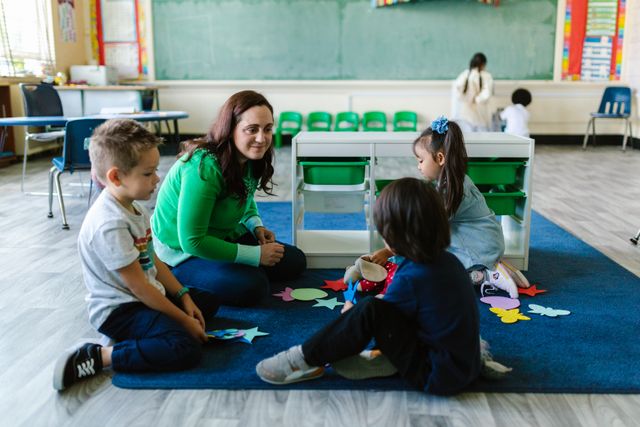
Early development years are essentially building blocks for the child’s entire life. This is the time when they set the foundation for all the skills they’ll get to refine later in life. This is why structured activities play a big role. They teach children several skills, as well as truths about themselves and the world around them.
Learning That Other People Have Their Own Plans Too
Now, young children don’t have the capacity to understand complex topics or terms. But still, one of the most underrated things structured activities teach them is that other people exist with their own ideas, needs and plans. That sounds obvious to adults, but it’s a massive lesson for a small child, even if they don’t fully understand it the way we do yet.
Group activities teach your child that they’re not the center of the universe. They may not yet comprehend why, but internal mechanisms are already bridging the gap between reality and their current understanding of it. That can be annoying at first, but they gradually become used to it.
This skill follows children everywhere, long after the early development stage ends. It will follow them into relationships and work. Structured activities are vital here because it’s obvious that they create hundreds of tiny opportunities to practise sharing attention and space with other people.
Helping Children Feel Secure Outside the Family Bubble
Every parent wants their child to feel safe. It’s important to keep in mind that children also benefit from learning that safety can exist beyond immediate family. Structured activities introduce trusted adults; that’s one of the biggest benefits. They also offer familiar routines and positive social experiences outside the home.
An early childhood center is the safest option here. Not only do these spaces offer security, but they offer opportunities for interactions and play with peers. Many children discover they are capable of far more independence than their parents expected once they spend time in a supportive environment like this.
Building Confidence Through Predictable Wins
Confidence can come from praise. But real, unshakable confidence comes from doing something enough times that you start believing you can handle it. Structured activities are brilliant for this. For each and every child, they create small, achievable challenges.
The challenges will depend on the child’s personality and capabilities. And each successful attempt to tackle these challenges will make them believe in themselves even more. No amount of compliments and praise can replace that because words are shaky, personal actions aren’t.
Helping Children Become Comfortable With Gentle Change
Children often get labelled as resistant to change, and that may be true to some extent. Unfortunately, that happens when they don’t have enough chances to experience change in a safe setting.
The routine will likely remain the same. On Mondays, we sing a song to start the week, for example. But the song will change, and that alone will be enough to introduce some sort of flexibility into their lives. They might even learn that they can affect this by maybe asking for a specific song.
Teaching Attention Without Making It Feel Like Work
Attention is often treated like something children either have or don’t have. Attention is something you develop, and that means you can practice getting better at paying attention.
Attention doesn’t turn into a battle during structured activities because children are entertained and they love spending time with their peers. They then become absorbed in whatever is going on around them as the inclination to follow the crowd does its magic.
Showing Children That Effort Has a Shape
Young children sometimes believe success should happen immediately. They want the reward, and they don’t have the patience to deal with failure. If something feels difficult, they may assume they’re not good at it.
Children, when immersed in structured activities, start seeing that most tasks follow a process. This is one reason activities with clear steps can be so valuable. They help children connect effort with results.
Conclusion
Structured activities will keep your child busy, but they’ll also do so much more than that. They’re great because they’re giving developing minds and personalities a place to stretch safely. The benefits often appear in small moments that are easy to miss at first. A child waits patiently instead of interrupting or helps another child without being asked. Once the skills they learn start showing up in real life, you’ll see the effects for yourself.