Key Takeaways
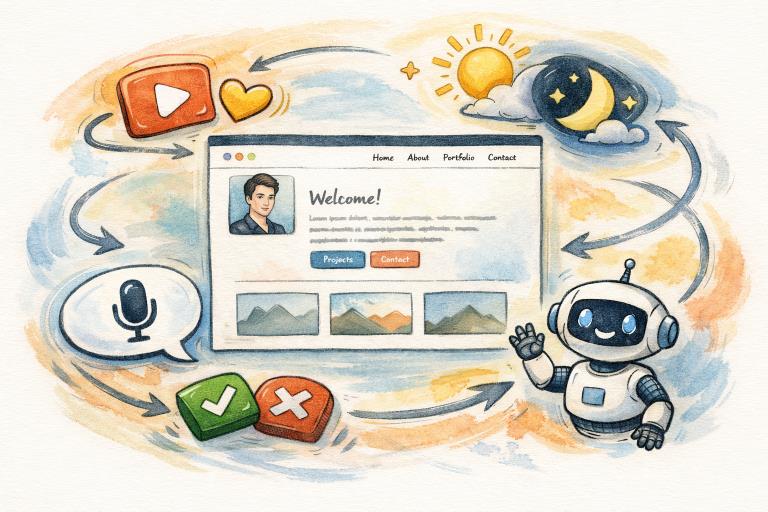
- Minimalism paired with bold typography elevates clarity and engagement.
- Interactive elements like micro-animations significantly enhance user interaction.
- Dark mode and high-contrast interfaces are crucial for accessibility and comfort.
- Voice search optimization makes websites more discoverable and user-friendly.
- AI-based personalization delivers tailored experiences, increasing relevance for each visitor.
- Embracing imperfect, authentic design elements fosters a deeper connection with audiences.
In the ever-evolving digital landscape, personal websites have become essential for showcasing individual brands, portfolios, and unique identities. Staying current with design trends is crucial, not only to capture attention but also to ensure an exceptional user experience. In 2026, certain design approaches are emerging as the frontrunners for anyone wanting to build a compelling online presence. For inspiration and examples of innovative layouts, browsing these personal website ideas is a great starting point.
Understanding and implementing the latest trends not only helps your site stand out but also conveys professionalism and adaptability. These trends reflect the changing expectations of online audiences, blending strong visual impact with intuitive features. As visitors become more demanding and digitally savvy, a personal website must be as functional as it is beautiful. Whether you are a freelancer, creative, or job seeker, incorporating these elements will set you apart in a competitive market.
Minimalist Designs with Bold Typography
Minimalism remains at the core of modern web design, favoring uncluttered pages and generous white space. This aesthetic ensures that content remains the focal point and avoids overwhelming visitors. When combined with bold, oversized fonts, minimalist websites become instantly memorable. Strong typography can direct attention to critical messaging and strengthen the brand’s personality on every scroll. This simplicity supports readability, ensuring site visitors don’t have to search for information or strain their eyes to stay engaged.
Interactive Elements and Micro-Animations
Interactive websites are fast becoming the standard, particularly as users crave deeper engagement. Micro-animations, subtle movements that react to a user’s actions, bring static pages to life. These effects might include animated button transitions, hover states, or scrolling animations. Such enhancements not only make navigation enjoyable but also provide visual cues that guide users through portfolios and landing pages. For designers and developers, prioritizing these touches establishes a seamless and playful interaction, reinforcing the uniqueness of the personal site.
Adopting these interactive features aligns with the findings highlighted by Webspec’s discussion on website design trends, which illustrates how micro-interactions and dynamic content are setting new standards for usability and delight.
Dark Mode and High-Contrast Interfaces
Dark mode is quickly evolving from a mere visual trend to a standard usability feature. With an increasing number of users browsing in low-light environments and spending hours on screens, website owners must build interfaces that minimize eye fatigue. High-contrast colors also serve those with visual impairments, making the experience both inclusive and customizable. Many modern websites now offer an instant toggle between light and dark themes, signaling a commitment to user comfort. According to ZipDo’s report on dark mode usage statistics, dark mode adoption continues to grow, particularly among younger audiences and mobile users.
Voice Search Optimization
With the proliferation of voice-activated technology, personal websites must be easily discoverable through voice search. This requires structuring content in a conversational tone, focusing on natural-sounding keywords and question-and-answer formats. Optimizing for voice not only boosts accessibility but also broadens your reach to audiences who use smart speakers and mobile assistants. Ensuring clear, concise responses to common queries can improve your rankings in organic search results and meet the expectations of today’s multi-device users.
AI-Driven Personalization
Artificial intelligence is expanding the creative possibilities for personal websites. Whether through AI chatbots, automated content recommendations, or real-time adaptation to user actions, the modern web is more dynamic than ever. AI-driven personalization might suggest relevant portfolio items, tailor landing page introductions, or offer instant communication for potential clients. These elements not only streamline the visitor journey but also foster a sense of bespoke connection.
Embracing Authenticity and Imperfection
Personal websites in 2026 are not afraid to step away from the pristine look of templated designs. Hand-drawn elements, organic textures, and “perfectly imperfect” layouts are entering the mainstream. By leaning into authentic visual styles, web designers are humanizing the online experience, encouraging visitors to relate to the site owner as an individual rather than a faceless brand. This trend toward authenticity aligns with consumer preferences for sincerity and transparency, as seen in digital behavior studies by larger industry resources like Lanacci’s insights on web design trends.
Conclusion
By staying attuned to the latest personal website design trends for 2026, creators can develop digital spaces that are functional, beautiful, and highly engaging. Minimalism, interactivity, dark mode, voice-ready layouts, AI-powered experiences, and authentic visuals collectively work to express unique identities while offering practical value. Keeping pace with these innovations will ensure your personal website remains relevant, memorable, and capable of connecting with any audience you wish to reach.