Key Takeaways
- Keep people and pets away from the damaged structure until officials say it is safe.
- Smoke, soot, water, weakened materials, and damaged utilities can create hidden hazards.
- Take photos, videos, notes, and save receipts before cleanup begins.
- Contact insurance providers, housing providers, and key service companies as soon as possible.
- Do not eat food or use medicine that has been exposed to heat, smoke, soot, or firefighting water.
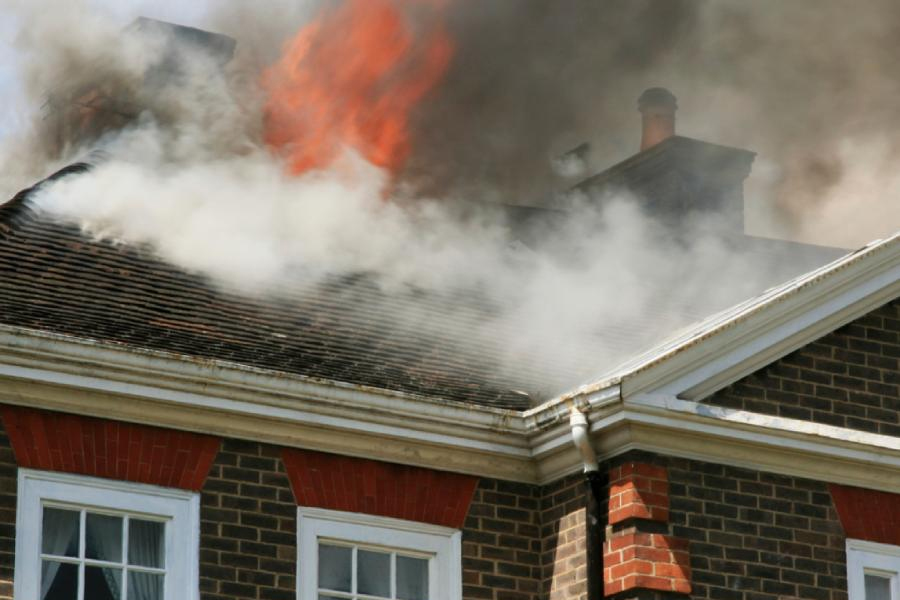
A house fire can leave a family shocked, tired, and unsure where to begin. During the first day, the goal is not to solve every problem. It is to protect people, prevent further damage, document what happened, and make a safe plan for the next few days.
Once emergency crews have handled the fire, it may be helpful to understand the next stages of recovery, including property assessment and fire damage restoration in Connecticut. Still, no cleanup step matters more than personal safety in the hours right after a fire.
Start With Safety
The fire may be out, but the home may still be dangerous. Floors and ceilings can be weak, wiring may be exposed, and hot spots may remain inside walls. Move everyone to a safe distance, call 911 for urgent medical needs, and do not touch electrical panels, appliances, or damaged utility lines. Keep children away from debris, and do not use candles or other open flames near the property.
Care for People and Pets
Focus on immediate needs before worrying about possessions. Gather identification, medications, eyeglasses, chargers, warm clothing, water, food, and pet supplies. Smoke exposure can affect people and animals even when there are no visible burns. Watch for coughing, trouble breathing, dizziness, headaches, or confusion, and seek medical or veterinary care when needed. Emotional stress is also normal, so accept help from friends, family, or local relief groups.
Wait for Official Re-Entry Approval
Do not go back inside because the flames have stopped. Local fire officials or qualified inspectors should decide whether the structure is safe to enter. For homeowners who need local support after that approval, this overview of fire damage restoration in Newton may be the next step in protecting the property.
Secure the Property
After officials allow access, take reasonable steps to reduce added damage from rain, animals, or trespassers. Broken windows and open areas may need temporary covering. Do not climb onto a damaged roof, move loose walls, reconnect utilities, or enter rooms with standing water near electrical equipment. Temporary protection should never put someone at risk.
Document the Damage
Create a clear record before moving, cleaning, or throwing away damaged items. This can support an insurance claim and help you remember what was lost.
- Take wide photos of the outside and each room.
- Capture close-up images of damaged furniture, electronics, clothing, and documents.
- Record short videos of the room and any visible damage.
- Make a written list of damaged belongings.
- Save receipts for hotels, meals, clothing, transportation, and emergency supplies.
- Write down names and phone numbers for officials, insurers, and contractors.
Contact Insurance and Key Providers
Call your homeowners or renters insurance company as soon as you can. Ask for a claim number, the adjuster’s contact information, instructions for protecting the property, and details about temporary living expenses. Renters should also notify their landlord or property manager. You may need to contact utility companies, employers, schools, banks, mortgage lenders, and prescription providers during the first day.
Handle Food, Medicine, and Belongings Carefully
Items can look normal but still be unsafe after exposure to heat, smoke, soot, water, or chemicals. Throw away food and drinks that have been exposed to fire conditions. Do not use medication, cosmetics, or medical supplies unless a pharmacist or healthcare provider confirms they are safe. Photograph personal belongings before disposal. Clothing, photographs, furniture, and electronics may be worth saving, but they should be assessed carefully.
Watch for Smoke, Soot, and Water Damage
Damage often reaches far beyond the room where the fire started. Smoke can leave odors and particles throughout the home. Soot can stain surfaces and damage metals, fabrics, and finishes. Water used to put out the fire can affect floors, drywall, insulation, and ceilings. Avoid using household vacuums or fans that may spread residue. The U.S. Fire Administration’s after-fire guidance offers practical information for households beginning recovery.
Avoid Common First-Day Mistakes
- Do not enter before receiving official approval.
- Do not turn utilities back on without authorization.
- Do not throw away items before documenting them.
- Do not rush to sign repair agreements under pressure.
- Do not clean soot with harsh products or unknown methods.
- Do not ignore breathing trouble, burns, dizziness, or other symptoms.
Plan the Next 72 Hours
Once immediate safety needs are met, make a short recovery plan. Confirm temporary housing, organize insurance documents, and build a room-by-room inventory. Separate urgent safety work from long-term repairs. Ask how structural damage, smoke odor, water damage, and damaged contents will be handled. Set one regular time each day to review updates with your insurer and other professionals.
Frequently Asked Questions
Can a homeowner stay in the property after a fire?
That depends on the condition of the structure, utilities, smoke levels, and water damage. The decision should be based on official safety findings, not appearance alone.
What if the fire were limited to one room?
Heat, smoke, odor, soot, and water can travel into nearby rooms, walls, ceilings, and ventilation areas. A full assessment can uncover damage that is not easy to see.
Should soot be cleaned right away?
Quick action can help, but rushed cleaning can spread residue or harm surfaces. The right method depends on the material, the type of soot, and the extent of water damage.
Conclusion
The first 24 hours after a house fire are about calm, safe choices. Protect your household, wait for approval before entering, document the damage, and seek guidance from qualified professionals. Small, organized steps can create a safer starting point for the recovery ahead. The American Red Cross advises people to stay out of a fire-damaged home until local fire authorities approve re-entry.