Start With a Plan the Market Understands
Before touching a shingle or shrub, map the project with resale in mind. Think sequence, not scattershot. Exterior work creates a chain reaction: a new roof can change gutter elevations, new windows can shift siding details, and fresh hardscape can alter drainage. Set a budget that accounts for contingencies, then prioritize high-exposure elements first. Align colors and styles with neighborhood norms while giving your home a clear, modern identity. Aim for durable materials with transferable warranties, and confirm permits early so momentum does not stall when crews are mobilized. You are crafting a story a buyer can read in a single drive-by.
Roofs That Work Hard and Look Clean
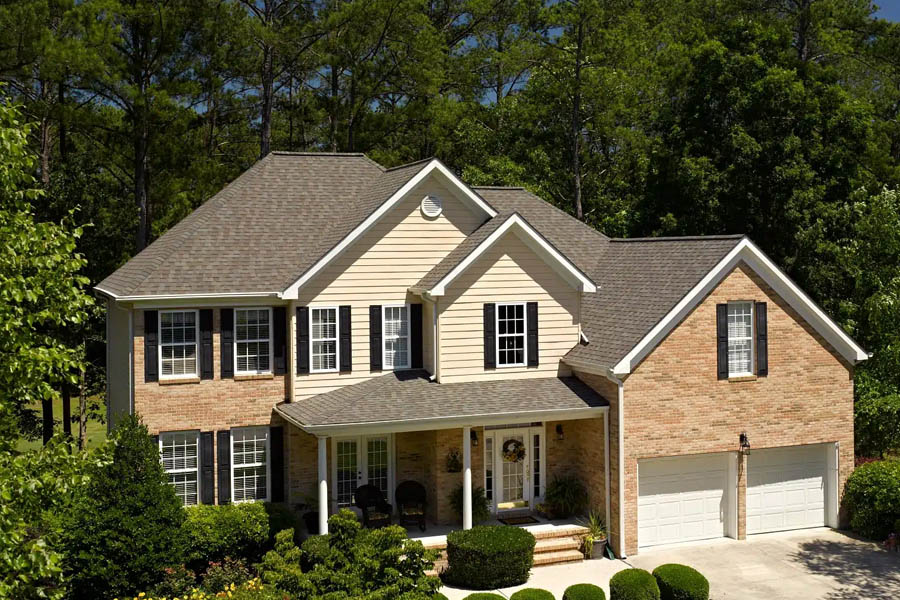
A roof is a house’s headline. Appraisers and buyers read it first. Going beyond basic replacement pays off. Specify a high-performance underlayment, proper attic ventilation, and an ice and water shield at eaves and valleys. These invisible layers reduce future leaks and ice dams. In sunny climates, cool-rated shingles can lower attic temperatures. In hail or high-wind regions, impact-rated shingles and upgraded fastening patterns add resilience that buyers and insurers value. If solar is on your horizon, request a solar-ready layout with clear roof planes, strategically located roof penetrations, and documentation of truss load capacity. Color matters too. A consistent, subdued roof hue frames the rest of your facade and keeps attention on windows, doors, and landscape.
Siding and Cladding With Character
Siding goes beyond weatherproofing. It determines size, texture, and style. Combine durability and detail. Engineered wood and fiber cement create clean shadow lines and resist abuse better than aged wood. Metal elements modernize without dominating. Instead of a maintenance-intensive blanket, use stained wood for natural warmth. To dry walls after storms, specify a strong weather-resistant barrier and rain screen gap behind the surface. Thicker corner and window trim adds depth and cleans paint transitions. Two to three body and accent colors should match your roof and hardscape. Choose a hue that works year-round.
High-Performance Windows and Doors
Doors and windows are thermal gateways and focal points. Look at climate-appropriate performance measures. A lower U-factor indicates better insulation. A reduced solar heat gain coefficient cools interiors in hot, sunny areas. Laminated or triple-pane glass can calm and secure homes near airports or bustling streets. Black frames look great on modern and historic facades, but details matter. Keep new units leak-free with pan flashing, sill support, and weather barrier integration. The house looks different in one afternoon when a weak builder door is replaced with a beautifully-styled, insulated entry door. Buyer walk-throughs usually go smoothly.
Solar and Energy Infrastructure With Eyes on Resale
Many purchasers now choose energy systems for curb appeal. You can pre-wire conduits from the roof to the electrical supply for clean, affordable solar array installation later. Consider where an inverter or battery can be hidden safely. An EV charging circuit in the driveway or garage indicates future readiness. For a low-profile solar installation, use an all-black module and rail system with neat cable management. To avoid landing panels on a roof that needs replacement, check roof condition and structural capacity first. Smart meters, labeled panels, and detailed documentation help the next owner comprehend the system.
Water Management as Invisible Value
Water sabotages quietly. Manage it to preserve value. Size gutters to local rainfall, increase downspout capacity, and add splash blocks or subterranean drains to drain water from the foundation. Recontour topsoil to provide a gentle fall away from walls where grading slopes toward the house. French drains or dry wells can relieve flooded zones after strong storms. Leaf guards reduce maintenance if designed for local debris. In cold areas, heat cable on problem eaves and greater attic insulation and ventilation help prevent ice dams. Gutter praise is rare, but buyers notice crumbling foundations and flaking paint. Correct the unseen.
Hardscape That Welcomes, Not Dominates
Driveways and walkways direct eyes and feet. Resurfaced driveways without cracks, sharp edging, and a well-lit route to the front door make the approach intentional. Pavers offer texture but need foundation and edge restriction to avoid floating. A light brush polish and saw cuts make concrete look crisp. Maintain consistency in entry, steps, and walkway materials to create a cohesive composition. Update rails to code and chose a robust, warm handfeel. Replace old home numbers and mailboxes with contemporary, legible ones in good sightlines. One bright front door color can unify everything.
Landscape Layers That Thrive
Architecture is framed by plantings. Consider layers. Start with healthy, well-placed trees that shade without damaging the roof or foundation. After adding evergreen framework for winter backbone, add shrubs for mid-height interest and perennials for summer color. Local plants need less water and care, which is appealing when utilities rise. For moisture and weed control, convert thirsty sections to drip irrigation and mulch beds. Staggered plants instead of a fence allow the facade to breathe if privacy is desired. For street readability, keep grass borders tight and bed lines plain. A little irrigation controller modification with smart scheduling saves water and shows care.
Durability Upgrades That Reduce Lifetime Cost
Beautiful exteriors that age gracefully add value. Prevent rust with stainless or hot-dip galvanized fasteners. Where splashback and snow banks are, back-prime wood or use composite or PVC trim. For longer paint intervals and uniform color, choose factory-finished siding and trim. Flash belly bands, deck ledgers, and stone-siding joints wherever the rain can. Choose salt-rated hardware and fixtures in coastal areas. In wildfire-prone areas, ember-resistant vents and metal mesh around vulnerable apertures make a big difference without affecting the house’s appearance.
Regional ROI and Timing
Not all upgrades carry the same weight in every market. In storm corridors, impact-rated windows and reinforced garage doors can nudge insurance premiums down and buyer confidence up. In colder regions, attic insulation and air sealing combined with roof ventilation often outperform flashier projects in comfort and utility savings. In sunbelt neighborhoods, shaded patios and radiant roof barriers help sell summer comfort. Time improvements so you can stage photos in the best season. Fresh mulch and bloom timing matter for online listings as much as hardware choices.
Budgeting, Bids, and Sequencing
Stretch value by ordering work correctly. Structural and envelope projects come first, then windows and doors, then siding and trim, then paint. Complete hardscape and grading before major plantings so equipment does not crush new beds. Run new conduits and exterior outlets early so lighting and security devices do not require surface-mounted wires later. Get at least three detailed bids that specify materials and installation methods, not just brand names. Ask for mockups of color schemes and trim profiles before committing. Keep a clean jobsite so neighbors stay friendly and future buyers feel good driving up.
Small Touches With Outsized Impact
Curb appeal trailers movies. Lights are your soundtrack. Layer a bright, well-shielded entry fixture, non-glaring path lights, and warm feature tree uplights. Paint window trim and replace old caulk where hairline cracks appear. Pressure-wash siding, brickwork, and the drive for accurate color. Add a big doormat and control garden edges. Add a smart doorbell and inconspicuous cameras to the exterior. Final strokes, not afterthoughts, enhance the composition.
FAQ
What order should I tackle exterior projects to avoid backtracking?
Start with roof and structural repairs, then address windows and doors. Follow with siding and trim, then paint. Complete hardscape and drainage next, and finish with landscaping and final lighting. This sequence keeps trades from undoing each other’s work and protects new finishes.
How do I choose colors that appeal to most buyers without looking bland?
Create a palette around the roof and driveway. Choose a tranquil body color with contrasting trim, then reserve a vivid accent for the front door. Before committing, test large swatches on sun and shadow sides of the home at different times.
Are gutter guards worth it or just another maintenance item?
It depends on trees and roof pitch. If placed with the right slope, micro-mesh systems can reduce cleaning in areas with small leaves or pine needles. Quality hooded guards function well in broadleaf areas but need rinsing. Reliable flow during big storms is more important than maintenance elimination.
Will black window frames date quickly?
Black frames have crossed from trend to staple because they outline openings cleanly on many styles. They look best when repeated on other small elements like house numbers or railings for cohesion. If you prefer softer contrast, choose dark bronze or charcoal to keep the effect without starkness.
How can I make a driveway look better without a full replacement?
Flaws can be hidden by resurfacing. Add crisp edging, fill cracks with appropriate fillers, and balance the color with a light stain or sealer. Divide pedestrian and vehicular zones with pavers or concrete bands. Clean lines and path lighting improve the approach.
Do solar panels hurt curb appeal?
Modern, clean-looking black modules and rails are arranged toward the ceiling. Visual aesthetics are preserved by cable management and hiding inverters and batteries. Ground mounts or pergola-integrated panels can gather sun and clean the facade if roof visibility is an issue.
What small upgrades give the fastest visual lift before listing?
Refresh the front door and hardware, update house numbers and the mailbox, pressure wash the exterior, add layered lighting, tidy beds with fresh mulch, and trim or replace overgrown shrubs. These focused moves sharpen photos and first impressions without large budgets.