Key Takeaways
- Compare implants, bridges, traditional dentures, and implant-supported dentures based on your oral health and needs.
- Implant overdentures may offer improved stability compared with conventional dentures.
- Consider comfort, appearance, speech, treatment time, and total costs before making a decision.
- Ask about cleaning routines, repairs, adjustments, and long-term maintenance.
- Schedule a dental consultation to review suitable options and develop a personalized treatment plan.
Missing teeth can affect much more than a smile. For people across St. Louis, Missouri, a gap may change how comfortably they chew, how they pronounce certain words, or how they feel in social and professional settings. The right replacement should support daily function, oral health, appearance, and a manageable routine over time.
There is no one option that fits every mouth. New You Smile provides implant dentistry in St. Louis and offers information about implant overdentures, dentures stabilized by dental implants that may be removable or fixed depending on the treatment design. This can be one option for people who want more stability than a conventional denture, but a personal examination is still essential before choosing any restorative treatment.
Why Replacing Missing Teeth Can Matter
When a tooth is missing, the surrounding teeth and bite can change over time. Chewing may become less balanced, and people may start favoring one side of the mouth. A missing tooth can also make it harder to enjoy foods that are common at family cookouts, neighborhood restaurants, and St. Louis gatherings. Replacing teeth is not only an appearance decision. It is also a way to consider comfort, speech, nutrition, and long-term oral function.
Common treatment categories include implants, bridges, partial dentures, complete dentures, and implant-supported dentures. When comparing tooth replacement options, important factors include the number and location of missing teeth, gum health, jawbone support, medical history, timeline, and personal preferences.
The Main Tooth Replacement Options
Dental Implants
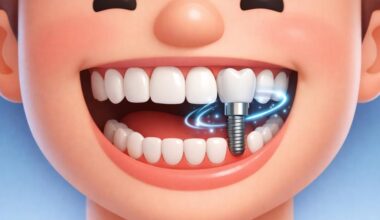
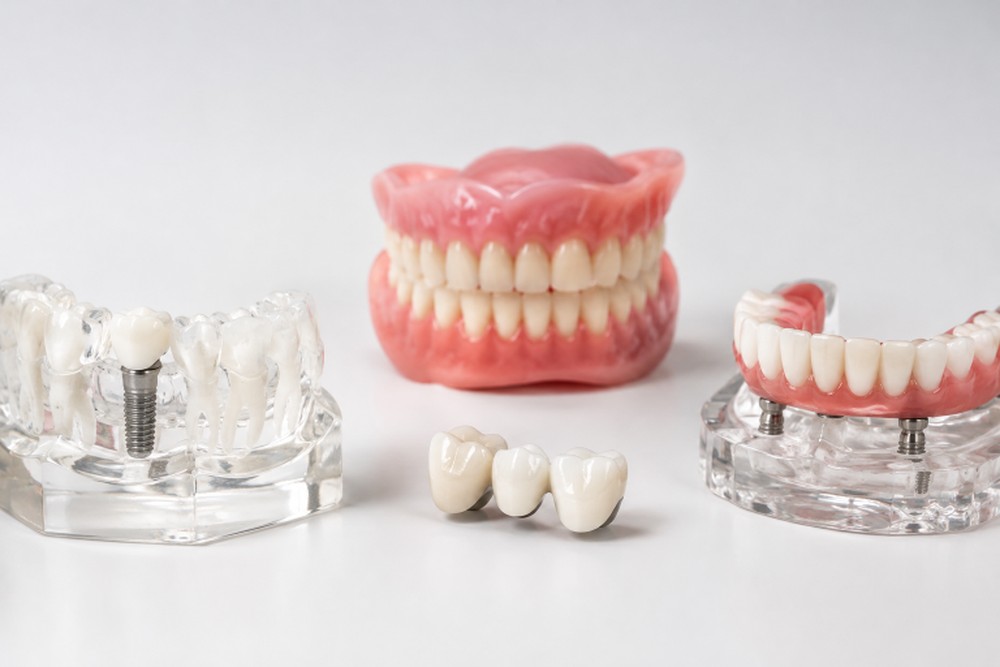
A dental implant is a surgically placed post that can support a crown, bridge, or denture. For a single missing tooth, an implant may support a crown without relying on the adjacent teeth. Implants are designed to be stable, but they require surgery, healing, home care, and regular professional follow-up. Healthy gums, available bone, overall health, and tobacco use can all affect whether implant treatment is appropriate.
Dental Bridges
A bridge fills a gap by attaching a replacement tooth to nearby natural teeth or to implants. It may be considered when one or several teeth are missing, and suitable support is available. A bridge is fixed in place, but cleaning beneath it is important. The dentist will also evaluate whether the neighboring teeth are healthy and strong enough to carry the expected bite pressure.
Traditional Dentures
Partial dentures replace some missing teeth, while complete dentures replace an entire upper or lower arch. Because they are removable, dentures can appeal to people replacing many teeth or seeking a nonsurgical approach. Modern dentures can be customized for appearance and fit, yet an adjustment period is common. They need daily cleaning, safe storage when out of the mouth, and periodic adjustments or relines as oral tissues change.
Implant-Supported Dentures
Implant-supported dentures use dental implants to help retain a denture. Some designs snap on and are removed for cleaning, while others are fixed in place by the dental team. Compared with a conventional denture that rests primarily on the gums, this option may provide additional retention for people who experience looseness during meals or conversation. It also requires planning for implant placement, attachment maintenance, and cleaning around the implants.
A Practical Comparison
- Dental implant: Often considered for one or more missing teeth. It is usually not removable and involves surgery, healing, bone evaluation, and long-term maintenance.
- Dental bridge: Often considered for a smaller gap with healthy support nearby. It is fixed and requires careful cleaning around and beneath the restoration.
- Traditional denture: Often considered for several or all missing teeth. It is removable and requires cleaning, fit reviews, and adjustment time.
- Implant-supported denture: Often considered for multiple missing teeth when greater retention is desired. It may be removable or fixed, depending on the design.
Six Questions That Can Narrow the Choice
- How many teeth need replacement, and where are they located?
- Are the gums healthy, or is periodontal treatment needed first?
- Is there enough bone and space for an implant-based plan?
- Would a removable appliance feel acceptable day-to-day?
- How important are stability while eating and ease of cleaning?
- What budget, treatment timeline, and future maintenance needs are realistic?
Comfort, Appearance, and Speech
Comfort depends on fit, bite design, oral tissues, and time to adapt. One person may prefer the convenience of removing a denture for cleaning, while another may value a more stable option for dining out or speaking at work. Tooth shape, shade, gum contours, and the smile line also matter. Any new restoration can require a brief speech adjustment, especially when replacing front teeth or a full arch.
Photos and advertisements cannot show how a restoration will feel in an individual mouth. A custom plan should account for bite forces, facial support, remaining teeth, and the habits that shape everyday comfort.
Maintenance and Long-Term Care
Every replacement option requires care. Natural teeth and gums still need brushing and cleaning between teeth. Bridges need cleaning beneath the replacement tooth, and dentures should be cleaned using the products and methods recommended by the dental team. Implant restorations also require daily plaque control and professional examinations. Ask in advance about repairs, relines, replacement attachments, and how often the restoration should be reviewed.
What Happens During a Consultation?
A consultation commonly includes a discussion of health history, goals, concerns, and prior dental treatment. The dental team examines the teeth, gums, bite, and available space. X-rays or 3D imaging may be used when needed. The conversation should also cover whether remaining teeth can be saved, treatment phases, healing requirements, anticipated maintenance, and written cost estimates.
Costs, Insurance, and Value
Pricing varies because treatment may involve imaging, extractions, gum care, bone grafting, surgery, materials, laboratory work, or follow-up visits. Insurance coverage also differs by plan and procedure. Request a written estimate, ask what is included, and find out which future services may carry separate fees. The most expensive option is not automatically the best option, and the lowest initial price may not reflect long-term maintenance needs.
Questions to Ask Before Choosing
- Which treatments are realistic for my current oral health?
- Can damaged teeth be restored rather than replaced?
- How will eating and speaking change during the adjustment period?
- What care will I need at home, and what follow-up visits are expected?
- What happens if the restoration loosens, breaks, or no longer fits?
- Are staged or lower-cost treatment plans available?
Frequently Asked Questions
Are dental implants better than dentures?
Neither is universally better. Implants may offer greater stability for eligible patients, while dentures can be a practical removable option for many situations. The best fit depends on health, bone support, goals, timeline, and budget.
Can implant-supported dentures be removed?
Some are removable, while others are fixed. The dental team should explain the design, cleaning routine, and maintenance needs before treatment begins.
What if there is not enough bone for an implant?
Further evaluation may be needed. Depending on the case, options may include bone grafting, a different implant approach, a bridge, or a denture.
Making a Confident Choice
Whether you are replacing one tooth or rebuilding a full smile, the best choice should fit your life in St. Louis as well as your mouth. Compare comfort, cleaning, appearance, cost, and long-term care with a qualified dental professional. A thoughtful plan can help you choose a replacement that supports both daily routines and future oral health.