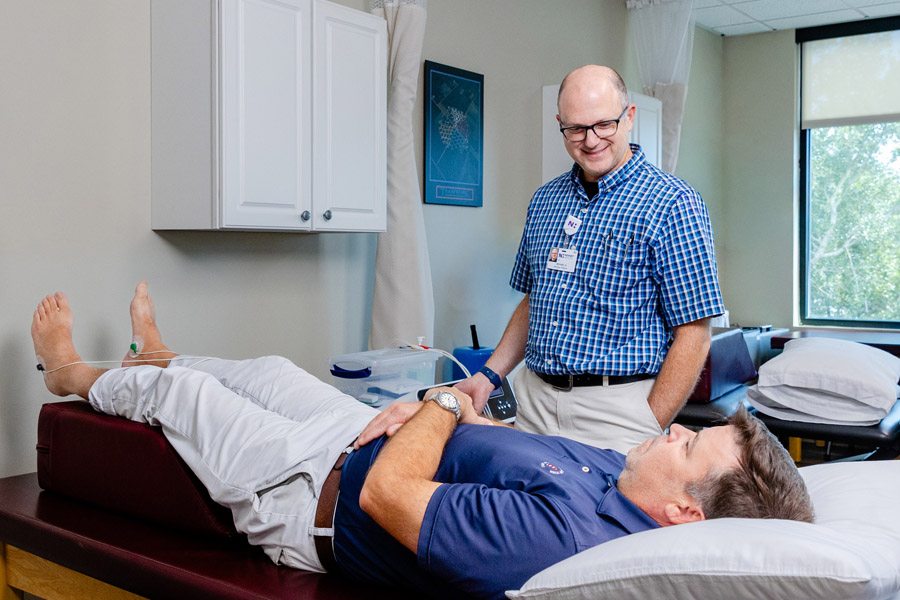
Why Non-Surgical Care Is Rising In Popularity
Nerve discomfort can feel like a radio caught between stations, buzzing with static when you want clear hearing. Many Richmond residents choose non-surgical care to calm that static while preserving mobility, limiting risk, and acknowledging the body’s ability to heal. Instead of transitory solutions, these methods attempt to restore nerve function, reduce inflammation, and promote long-term wellness.
Chronic Care of Richmond offers precision diagnostics, patient education, and focused therapies to capitalize on this trend. Practical and optimistic. Patients can get organized direction and quantifiable goals while participating in body-rhythm therapy.
From Assessment to Action: What Care Looks Like
Comprehensive assessment starts a good care journey. Your medical history, medications, lifestyle, and pain characteristics are reviewed during the first visit. Nerve scans reveal signal disruptions and body symptoms. You can talk about sleep, daily limits, and work and home priorities.
After that, a customized plan is made. It frequently combines clinic-based therapy with home techniques and basic habit improvements that can be sustained without major life changes. Tracking progress will be done with milestones and checkpoints. A navigator for the road ahead, adjusted as your body responds.
Therapeutic Pillars That Support Recovery
Non-surgical nerve care rests on a few pillars that work together:
- Laser-based stimulation to encourage circulation and cellular repair. Providers use specific settings to reach targeted tissues while keeping sessions brief. Many patients find it comfortable and practical to fit into weekly routines.
- Platelet-rich plasma to concentrate your body’s own healing factors. The intent is to create a more supportive environment for damaged nerves and surrounding tissues. Protocols vary, but they are designed to complement other therapies rather than replace them.
- Spine and joint alignment to reduce mechanical stress on nerve pathways. Gentle adjustments can help relieve pressure, improve movement patterns, and lessen the cascade of tension that often amplifies pain.
- Guided rehabilitation to retrain muscles and refine stability. Exercises focus on balance, posture, and nerve-friendly mobility. The goal is not intensity for its own sake. It is consistent input that helps the nervous system recalibrate.
- Nutrition and lifestyle strategies to pair clinical work with daily routines. When glucose control, weight management, and inflammation are addressed, nerves typically have a more favorable environment to recover.
These pillars are selected and sequenced based on your history and response. One person may start with laser sessions and balance work, while another leans into nutrition coaching and targeted manual care. The central theme remains: integrate, observe, adjust.
Daily Habits That Complement Clinical Treatment
Progress hinges on what happens between appointments. Small habits shape the terrain in which nerves heal.
- Consistent movement: Short walks, gentle stretching, and low-impact activities nurture circulation without overloading sensitive tissues. Think of movement as irrigation for a garden.
- Ergonomic tweaks: Chair height, keyboard position, and footwear matter. Minor changes can relieve strain along nerve pathways and lessen flare-ups.
- Blood sugar steadiness: For anyone managing diabetes or prediabetes, stable glucose is vital for nerve support. Balanced meals, mindful portions, and routine check-ins help.
- Mindful pacing: Use microbreaks to disrupt long periods of sitting or standing. A couple of minutes every hour can change the tone of a workday.
- Sleep rituals: Consistent bedtimes, cool rooms, and simple wind-down practices strengthen recovery. Nerves prefer predictability at night.
Each habit is small, but together they create a climate that helps clinical care take root.
Navigating Insurance and Access
Non-surgical programs often combine multiple therapies, so it is wise to clarify coverage and cost early. Every plan differs. Ask about itemized estimates, session frequency, and any packages that may reduce overall expense. Chronic Care of Richmond offers complimentary nerve screenings, which can make the first step more approachable. Use that time to ask about eligibility, expected timelines, and how your home routine can support clinic sessions.
Access also includes logistics such as appointment hours and travel. If your schedule is tight, consider stacking treatments in fewer visits or using early morning slots. Consistency is easier when the plan fits the rhythm of your week.
Signs Your Nerves Are Responding
Progress with nerve pain is often incremental. Look for clues that the course is working:
- Reduced intensity or frequency of sharp, burning, or tingling sensations
- Improved balance, fewer stumbles, and steadier walking
- Better sleep quality and less nighttime discomfort
- Increased tolerance for standing or sitting
- More reliable sensation in the feet or hands without feeling overly sensitive
These changes may appear unevenly. Some days will feel brighter, others hazy. A journal can help you spot trends rather than fixate on daily fluctuations.
Realistic Timelines and Milestones
Early phase: Relief often shows up as shorter flare-ups and less stiffness, with a modest bump in energy. You may notice that everyday tasks are less taxing.
Middle phase: Gains become more consistent. Strength and stability exercises feel smoother, and you have more confidence in your footing and grip.
Later phase: The aim is resilient function. You can handle routine stressors without immediate setbacks. Ongoing maintenance may be recommended to protect progress, especially if work or hobbies place regular demands on your body.
Timelines vary with health status and the complexity of nerve involvement. The focus stays on steady momentum rather than rushing.
Who Benefits Most
Non-surgical care can be a good fit if you want to avoid or delay invasive options, prefer minimal downtime, or need an integrated plan that addresses lifestyle and mechanics. It is also well suited to people who respond to structured guidance and routine follow-up.
Those with advanced neuropathy or significant medical conditions may need a blended approach that coordinates with primary care and specialists. An honest intake and open communication ensure safety and clarity.
FAQ
How do I prepare for my first visit?
Plan to share your medical history, medications, and a list of daily challenges. Wear comfortable clothing and bring questions about your goals. If you have recent labs or imaging, bring copies to help the team personalize your plan.
Will treatments be uncomfortable?
Most non-surgical therapies are designed to be gentle. You may feel warmth, mild tingling, or temporary soreness after certain sessions, but providers aim to keep discomfort minimal and short-lived.
How often will I need appointments?
Frequency depends on your condition and response. Many plans begin with weekly sessions, then taper as improvements hold. Your provider will recommend a schedule that balances progress with practicality.
Can I combine clinic care with my current medications?
Yes, in most cases. Share a complete list of medicines and supplements at your intake so the team can avoid interactions and coordinate with your prescribing clinicians when needed.
What if my pain fluctuates during treatment?
Ups and downs are common. Track episodes in a simple log and report patterns at follow-ups. Your plan can be adjusted by modifying settings, exercises, or pacing to keep you moving forward.
Does insurance typically cover these services?
Coverage varies widely. Confirm details with your insurer and ask the clinic for itemized estimates. Complimentary screenings at Chronic Care of Richmond can help clarify suitability and potential costs before you commit.
Are there at-home practices that make a real difference?
Consistent movement, ergonomic tweaks, sleep routines, and stable nutrition all support nerve health. Your provider will tailor home strategies to your condition so you can reinforce gains between sessions.
Is non-surgical care appropriate if I have diabetes?
Yes, with attention to glucose control and foot care. Plans often include nutrition support and protective routines to help nerves in the lower legs and feet. Coordination with your diabetes care team enhances results.