Key Takeaways
- Review and comply with all local and state regulations for coastal construction.
- Assess the condition and lifespan of existing seawalls and docks before building.
- Select building materials designed for harsh coastal conditions to promote durability.
- Design for flood resilience by following up-to-date flood map guidance and elevation codes.
- Implement advanced drainage and erosion control strategies from the outset.
Building a waterfront home in Florida is a dream for many, offering unparalleled views, serene access to water, and a vibrant coastal lifestyle unique to the Sunshine State. However, realizing this dream requires more than just picking a picturesque plot. Construction on Florida’s waterfront is complex, and if you are looking at waterfront homes, you must be aware of the pitfalls and challenges that can turn your investment into a financial or regulatory nightmare. Understanding the fundamentals prior to your build will help ensure a smooth process and a lasting, resilient home.
Florida’s coastline is subject to particular environmental pressures and regulatory oversight that make it quite different from other construction zones. From adapting to salt air and humidity to safeguarding against flooding and natural disasters, planning ahead means fewer surprises and greater peace of mind throughout the construction process. Taking an informed approach is crucial so that your property thrives for decades to come.
If you aspire to move quickly and avoid obstacles, it pays to learn from the common challenges that other homeowners encounter. Thorough research and working with local experts can make all the difference between a seamless experience and one marked by costly delays. Beyond technical requirements, your design choices and finish selections should balance style and durability, creating a living space that is both elegant and engineered for resilience.
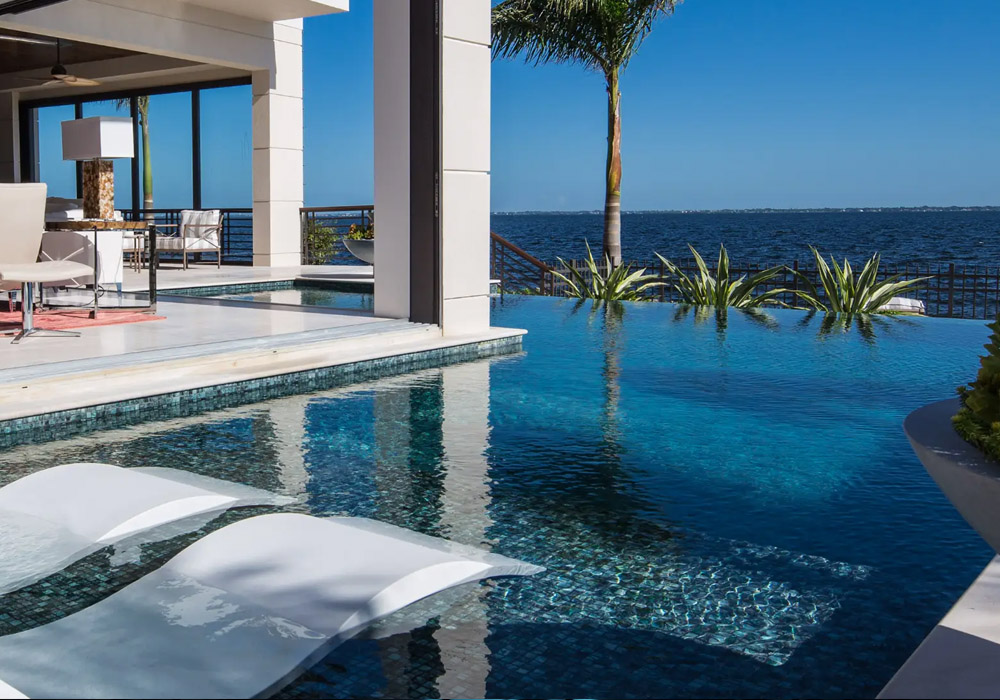
The designs and finishes of featured homes along Florida’s coastline showcase how high standards of craftsmanship and thoughtful planning result in truly exceptional properties. Reviewing these examples can inspire the vision and functionality you want in your new home.
Understanding Local Regulations and Permitting
Regulation is particularly strict along Florida’s shorelines because these environments are both vulnerable and valuable. Construction is often governed by municipal codes, state laws, and federal guidelines, all designed to protect sensitive ecosystems and mitigate the risk of storm damage. For instance, the Coastal Construction Control Line (CCCL) established by the Florida Department of Environmental Protection determines where construction is permitted and sets special infrastructure requirements. Neglecting these regulations can result in project stoppages, fines, or mandatory removal of newly erected structures.
Begin your journey by consulting local authorities and securing all necessary permits long before land clearing or groundbreaking. Early involvement of professionals experienced in coastal builds significantly reduces future complications.
Assessing Seawall and Dock Integrity
Most Florida waterfront homes depend on seawalls and docks to shield land, secure boats, and provide recreational access. Seawall integrity is crucial for withstanding tidal surges and erosion. Many seawalls, especially in older communities, have already exceeded their useful lifespans and may show signs of deterioration such as cracks, bulges, and settling. These defects can lead to water infiltration and costly structural failures. A thorough inspection by a licensed marine specialist is essential before investing in new construction. Proactively addressing repairs or replacement is often less expensive than rehabilitating a compromised foundation later.
Similarly, docks should be inspected for rot, corrosion, and wobbly connections. Proper maintenance and timely upgrades are vital to the safety and utility of your waterfront access.
Choosing Coastal-Grade Building Materials
Coastal living is unforgiving to typical construction materials due to persistent exposure to salt spray, heat, and wind-driven rain. When choosing finishes and fixtures for new waterfront homes, it is vital to prioritize materials marketed as marine- or coastal-grade, such as stainless steel hardware, marine-grade aluminum, and advanced composite decking. These materials are designed to resist corrosion, UV degradation, and organic growth, thereby extending the functional life of your investment. While initial costs may be higher, the long-term savings in maintenance and replacement can be significant. Consultation with contractors seasoned in local projects helps ensure informed decisions about durability and aesthetics.
Flood Zone Planning and Proper Elevation
Flood risk defines much of the building code throughout Florida’s waterfront regions. FEMA and local agencies have developed extensive flood maps indicating which areas require elevated foundations, reinforced construction, and supplemental flood insurance. Ignoring these factors can jeopardize your mortgage approval and place you at financial risk in the event of flooding. A careful review of the latest flood maps, in conjunction with a licensed architect or engineer, ensures your home will be both compliant and resilient. Incorporating elevated design features and hurricane-resistant technology further increases the long-term value and safety of your waterfront home.
Effective Drainage and Erosion Control Systems
The heavy rainfall common in Florida, combined with high water tables and storm-surge risk, makes efficient site drainage absolutely critical. Your site plan must include a combination of surface drains, subsurface piping, and robust erosion barriers to direct water away from structures and maintain the stability of your land. Poor drainage can accelerate seawall failure, erode expensive landscaping, and create chronic dampness issues in living spaces. Implementing rain gardens, pervious surfaces, and engineered slope management further protects your asset while supporting local environmental health. The U.S. Environmental Protection Agency provides additional resources for sustainable stormwater management. Regular inspections and timely maintenance of drainage systems also help ensure they continue functioning effectively and protect your property over the long term.
Conclusion
Investing in a waterfront home in Florida can reward you for years with beauty, recreation, and property appreciation. However, these rewards are maximized through careful planning, early consultation with professionals, and a willingness to go beyond minimal requirements when choosing materials and site strategies. By staying informed and prepared, you safeguard your investment and lay the foundation for a legacy property that can be enjoyed for generations.