Why Tactile Worlds Matter in a Digital Age
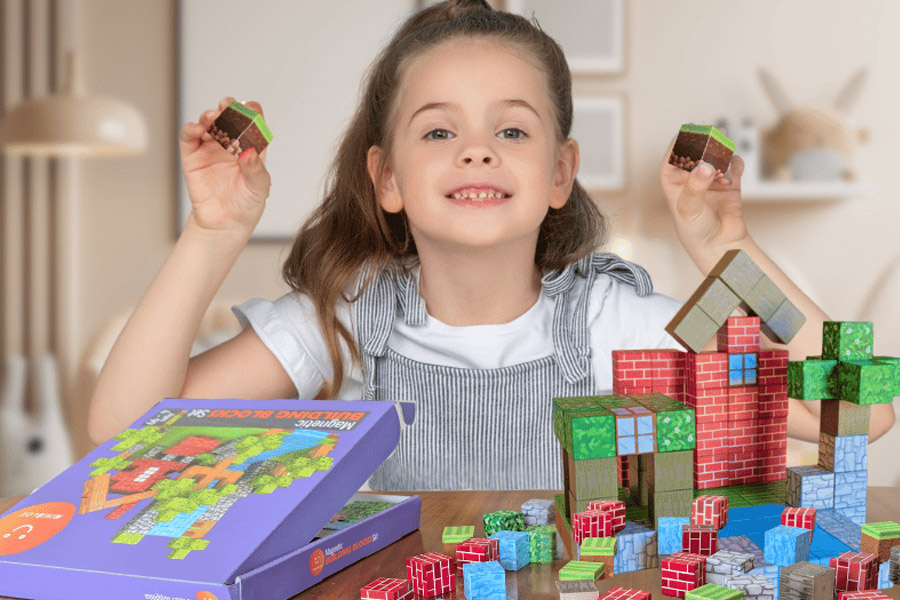
Our hands learn what our eyes cannot. Children create constructions they can touch by lifting, aligning, and connecting magnetic parts. Transitioning from mind to object turns play into practice. It helps youngsters focus, be patient, and understand cause and effect. When leverage is improper, blocks topple. Saggy bridges lack solid spans. MiniBlox magnetic blocks provide hands-on problem-solving. It feels like a little studio where imagination constructs scaffolding.
What Makes MiniBlox Click
The key is modularity. Each shape repeats with confidence, making it easy to test a concept, disassemble it, and attempt a new method. Little ones may see patterns in MiniBlox. Squares indicate walls, triangles roofs, and arches doors or tunnels. Magnets make alignment easy, boosting momentum and reducing irritation. The system’s rapid feedback and fast iteration keep young builders innovative.
Play Setups That Meet Kids Where They Are
diverse stages of development require diverse play contexts. Toddlers may enjoy matching colors and building small towers. Preschoolers experiment with symmetry and naming structures. Early elementary schoolers explore landscapes and multi-room buildings. Older kids experiment with height, angles, and intricacy to find the appropriate design. Prepare the scene. Clear a rug, set a tray for loose parts, or tape a build zone on the table. Add a small dish of character pieces and a tray for flat plates or specialties. Kids skip sorting and start building with a clean workstation.
Design Challenges That Grow With Confidence
Creative difficulties turn free play into design. Stable base challenge first. Ask a youngster to design a toy-supporting platform. Bridges and spans can overcome tiny book gaps. Leaning towers let you explore angles. Arches are made by dispersing weight around a curve. Try multi-level interiors for furniture and figures. As kids develop, exchange limits to broaden thinking. Minimize color palettes for attention. Limit pieces to promote efficient constructions. Timer aids speedy planning. Encourage home-to-store redesigns.
Story-Driven Worlds that Spark Depth
Stories bring structures to life. A lighthouse needs a nighttime route. Secret tunnels are needed for mountain hideouts. The spaceport requires docking bays and control towers. Encourage kids to name places, give roles, and plan short missions. Storyline informs building decisions and changes. The planet adjusts to change. The community needs a seawall during a hurricane. Stages are needed in plazas for festivals. This story-structure cycle keeps gaming new and expansive.
Learning Threads Beyond STEM
STEM outcomes are natural. Every build has balance, geometry, and spatial thinking. But learning expands. Kids develop executive function by breaking down big concepts into smaller steps while planning. Color and symmetry influence aesthetics. Design naming and explanation aid language development. Piece counting and pattern tracking improve math skills. Children develop design thinking by testing, evaluating, and adjusting. They learn to informally set goals, consider facts, and revise without drama.
Co Build Skills That Last
Jazz-like group building. A youngster sets the rhythm groundwork. An improvised tower line. A third adds elements that make it sing. MiniBlox pieces are easily shared, so kids learn to share spontaneously. They delegate, negotiate, and lead flexiblely. Design tests replace stalemates in conflicts. If two concepts collide, test both small-scale and keep the winner. These practices apply to school and family endeavors that require clear communication and fairness.
Care, Safety, and Smart Storage
Good setups prolong toy life. Protect magnetic blocks against water and dirt. Wipe pieces with a moist towel and dry completely. Sets in low containers with separators help kids locate shapes quickly. Label portions by form or color to clean faster. Keep stray magnets from other home items out of reach for smaller children and supervise play. Check parts’ casings periodically. When out, a well-maintained set seems like a friendly workshop.
MiniBlox in Classrooms and Therapy
Teachers and therapists want multipurpose, relaxing tools. MiniBlox fits well in language, art, and engineering centers. Edge, corner, tall, and wide words are supported by blocks in early grades. They teach forces, simple span types, and shape load resistance in upper grades. Slow repetitive stacking regulates energy and focus in therapy. Structured suggestions like mirror this pattern or discover three methods to close this roof develop sequencing and memory. Small victories add up fast.
Turning Digital Inspiration into Physical Builds
Kids love game construction because they can blend pieces. Use energy to bridge. Ask a child to draw a beloved digital base, then fabricate important features. Start with silhouette. Determine the tallest elements and where to place supports. Use a limited palette to mimic the look without replicating everything. Ramps, ladders, and doors should mirror character movement. The switch from screen to scenario teaches youngsters to identify structure in any medium and transfer ideas.
FAQ
What ages are a good fit for MiniBlox magnetic blocks?
Various ages can play MiniBlox. Simple stacking under supervision helps toddlers. Matching shapes and building miniature rooms start in preschool. Elementary kids build structures, bridges, and multi-rooms. Older kids play with cantilevers and decorations. Always supervise younger builders and follow age guidelines.
How can I encourage longer play sessions without taking over?
Stage rather than direct. Give a simple prompt like design a treasure hideaway or a shake-resistant skyscraper. Step back and watch. If impatience rises, ask what the builder wants changed. Let the youngster choose how to use a tray of extra supports or larger bases.
What helps keep tall structures stable?
Start with a broad base. Distribute weight evenly and avoid very heavy tops. Tie multiple columns together using horizontal pieces at several heights. Think in layers. Each level should brace the next. If a build leans, add symmetry on the opposite side to counterbalance.
Can MiniBlox support academic goals at home?
Yes. Divide floors into equal portions to examine fractions with blocks. Use a ruler to measure heights and widths. Math and literacy are reinforced by building letters and numbers. With a simple map and budget, challenge kids to plan. Keep activities short and fun.
What is the best way to integrate storytelling into building time?
Start with setting, character, and need. Forest rangers require observation posts, and bakers need display windows. Build those features first. Trails and details should fit the story. Adjust the build as the plot changes. This cycle of design, use, and change is normal.
How should I store and organize MiniBlox for quick setup and cleanup?
Use shallow bins with dividers. Group by shape or color. Keep a small tray for in progress builds so projects can be saved between sessions. Label bins clearly so kids can reset the space on their own. A predictable system turns cleanup into a simple habit and speeds the next play session.