See the Big Picture Before You Trim a Single Blade
A tranquil outdoor space requires planning. Step back and survey your yard before pruning. Note where you walk, where the sun stays, and where rain pools. Draw simple dining, play, gardening, and leisure areas. Anchor such zones with strong lines and obvious transitions for natural flow.
Size matters. A small patio with tall bushes feels crowded. Wide lawns without boundaries look incomplete. Place focus points where paths converge, frame vistas with sight lines, and maintain tall plants at the back to create a stage-like space. When the arrangement matches your lifestyle, everything is easy. The yard breathes as one unit.
Quick Upgrades That Wake Up a Sleepy Landscape
One weekend can transform a yard from drab to appealing. Edge lawns and gardens for clean lines. Trim leggy bushes to regain shape. Get rid of weeds root and branch. Power-wash walkways and patios to remove stains and shine stone. Replace faded planters with bright seasonal ones.
Cover worn soil with compost and mulch to retain moisture and harmonize the look. Add robust outdoor cushions and a small side table to worn seating. Put some low-voltage path lights in for dusk warmth. These tactical measures, like lens cleaning, refine the image and prepare for deeper upgrades.
Soil Health Is the Quiet Engine
Healthy soil is your plants’ lifeblood. When soil is compacted, roots struggle, foliage degrades, and pests thrive. Let air and water into the root zone by aerating lawns. Add compost to planting beds to increase organic materials and underground life. Adding coarse material and swales can improve drainage and keep water away from structures.
Mulch is a simple, powerful tool. Two to three inches of shredded bark or leaf mold reduces evaporation, stabilizes temperature, and slows weed germination. Keep mulch pulled back a few inches from trunks and stems to prevent rot. Over time, this quiet engine does the heavy lifting, supporting strong growth with less intervention.
Plant Placement That Works With Sun and Water
Right plant, right site goes beyond a slogan. Group plants by need and place them in natural conditions. Sunbathers shouldn’t be shaded. Plants that need moisture thrive near downspouts or low areas. Higher, well-drained terrain favors drought-tolerant varieties. Layer plant heights front to back for a chorus-like garden.
Blend natives with ornamentals to balance character and resilience. Native plants often need less care and provide habitat for pollinators. Ornamental varieties can add texture, unusual color, or seasonal drama. Aim for biodiversity. A varied palette supports healthy soil communities and discourages pest outbreaks. The garden becomes a living network, not a row of isolated specimens.
Pathways, Patios, and Structure
Hardscapes affect movement and gathering. Paths should be purposeful, not rambling. Materials should complement your climate and style. Gravel crunches softly. Pavers streamline geometry. Natural stone looks organic. Comfortable widths allow two people to walk side by side.
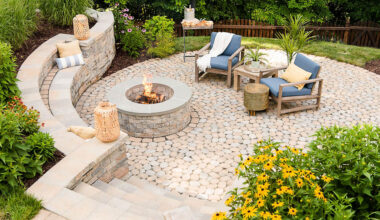
Anchor your space utilization. A kitchen-side dining terrace shortens plate and glass routes. Lounging in a treed reading nook is tempting. Fire features give year-round appeal and nighttime focal points. The yard becomes a second living room with a sky ceiling when building supports everyday life.
Watering That Saves Time and Keeps Plants Happy
Thoughtful irrigation saves hours and improves plants. Maintaining dry foliage using drip lines reduces waste and disease. Smart controllers or simple timers can adapt for rainfall and temperature. Deep yet occasional watering encourages root growth downward.
Pair irrigation with mulch for a one-two punch. Mulch limits evaporation, drip targets delivery, and your plants respond with steadier growth. Check emitters seasonally to ensure they are not clogged. A well-tuned system turns watering from a chore into a set-it-and-check-it routine.
Call In Pros When Speed and Precision Matter
Professionals help some initiatives. Grading for drainage, erecting retaining walls, adding patios, or creating a landscaping plan require expertise. A seasoned staff can swiftly scan the site, predict concerns, and execute accurately. Cleaner lines and fewer mistakes may cut weeks into days.
If your schedule is tight or the scope is large, bring in help for the heavy work while you manage planting and finishing touches. Many professionals offer phased plans that suit a range of budgets. Energy saved, time gained, results refined.
Maintenance Routines That Protect Your Investment
A beautiful yard takes time. Set a life-friendly weekly schedule. Mow high and sharp for a healthy lawn, then edge neatly. Deadheading flowers promotes fresh blooms. Remove leaves before they smother turf. Spot check for pests to prevent larger issues.
Seasonally appropriate treatment. Clean up winter detritus, trim perennials, and fertilize soil in spring. Summer is for water management and minor pruning. Aerate, overseed thin lawns, and mulch in fall. Clean and store tools in winter, then plan next year’s upgrades. Quiet maintenance protects your investment.
Lighting for Evenings Outdoors
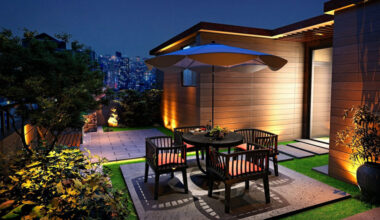
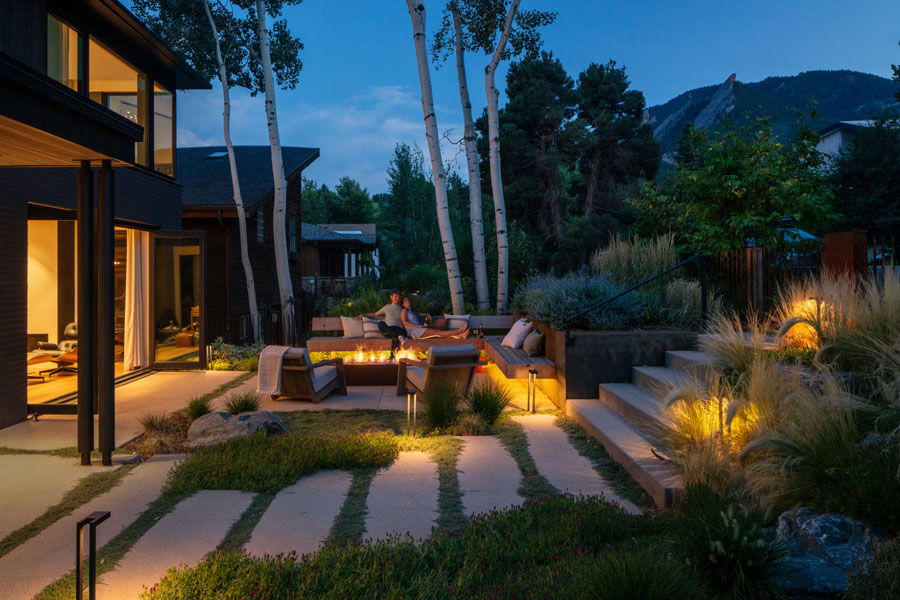
Light transforms a landscape after sunset. Use warm LEDs to guide steps and trace paths. Highlight a sculptural tree or a textured wall to create depth and moonlit intrigue. Keep fixtures shielded to reduce glare. Pay attention to color temperature so spaces feel cozy, not clinical.
String lights can frame a seating area and invite conversation. Spotlights on water features add life and movement. With a few careful choices, your yard feels welcoming at any hour, not just under the noon sun.
Budgeting Without Compromise
Change does not require a complete rebuild. Work incrementally. Start with daily-use high-impact locations. Improve soil, mulch, margins, and circulation. Use current materials whenever possible. Salvaged brick or stone adds character and saves money. Divide huge undertakings into simple steps and arrange them over seasons.
Think of the budget like a garden. Plant what you can now, nurture it, and add more as resources grow. Staged improvements compound, and the space evolves without strain.
Family Friendly and Pet Proof Ideas
Design for life. Pet-friendly ground covers should be durable. Plant delicately behind low fences or borders. Play on a comfortable, well-defined area away from fragile mattresses. Protect food from soccer balls and curious paws. When all users are considered, the yard runs smoothly and looks good.
FAQ
How do I prioritize projects in a neglected yard?
Start with safety and structure. Fix drainage issues and trip hazards first. Next, clean and define edges, prune overgrown plants, and refresh soil and mulch. Once the canvas is stable and tidy, focus on functional zones like a dining patio or a shaded seating nook. Color and accents come last.
What fast changes can I make this weekend?
Edge beds and lawns, prune for shape, pull weeds, and power-wash hard surfaces. Add two to three inches of mulch, update a few planters with seasonal color, and place simple path lights for evening clarity. These quick wins improve appearance and set up longer term upgrades.
Should I choose native plants or ornamental varieties?
Use both. Natives often demand less water and provide food and shelter for local wildlife. Ornamentals add unique texture, foliage color, and seasonal drama. Blend them to create interest across the year while keeping maintenance reasonable. Aim for diversity so the garden is resilient.
How much mulch should I use and how often?
Apply two to three inches across beds, keeping it a few inches away from trunks and stems. Replenish annually or as needed when it thins. Mulch retains moisture, suppresses weeds, and moderates soil temperature. It is one of the simplest, most effective upgrades you can make.
When is the right time to hire a professional?
Bring in a pro when you need speed, structural work, or comprehensive planning. Projects involving grading, drainage, retaining walls, or large patio installations benefit from expert execution. If time is tight or mistakes would be costly, hiring help protects your budget and your schedule.
What irrigation is best for mixed plantings?
Mixed beds benefit from drip irrigation, which feeds water directly to root zones with minimal waste. Use micro emitters for shrubs, inline drip for ground coverings, and turf zones. Use a weather-adjustable smart controller and check coverage several times a season.