Key Takeaways
- Heat, rain, moisture, shelter, and food can change pest activity quickly in desert neighborhoods.
- Regular exterior checks, moisture control, and small repairs can reduce opportunities for pests to enter.
- Monsoon weather can create standing water and drive some pests toward buildings.
- Repeated sightings are more meaningful than a single isolated insect.
- Termites, rodents, bed bugs, and stinging or venomous pests may require professional attention.
Desert homes face pest pressure in every season, even when the landscape appears dry and quiet. The most effective approach is not constant spraying. It is a practical routine of checking for conditions that attract pests, correcting small problems early, and monitoring changes after heat waves, rain, or landscaping work. Homeowners in the Phoenix area, comparing local options, can review Green Mango Pest Control, a Phoenix-based residential and commercial pest management provider serving the Valley and Greater Phoenix area with services for termites, mosquitoes, rodents, roaches, ants, bed bugs, bees, wasps, spiders, scorpions, and other common Arizona pest concerns.
Why Seasonal Changes Matter In Desert Areas
Extreme heat can send pests toward shaded patios, garages, wall voids, and cooler indoor spaces. Rain can add moisture, fill containers, encourage plant growth, and disrupt outdoor nesting areas. In warm desert climates, pest activity may continue for much of the year rather than stopping completely in winter. The University of Arizona explains how monsoon weather can bring pests to life or force them indoors, which is why prevention should change with the season.
A Simple Seasonal Pest Calendar
- Spring: Watch for ants, termites, mosquitoes, and stinging insects as temperatures rise.
- Summer: Inspect shaded areas, outdoor storage, garages, and foundations for scorpions, roaches, spiders, and rodents seeking cover.
- Monsoon season: Remove standing water, inspect drains, and look for pest activity after wind or flooding.
- Fall: Seal gaps as pests begin seeking more stable shelter around the home.
- Winter: Check garages, closets, storage rooms, wall voids, and weatherstripping for protected hiding places.
Start With A Walk Around The Exterior
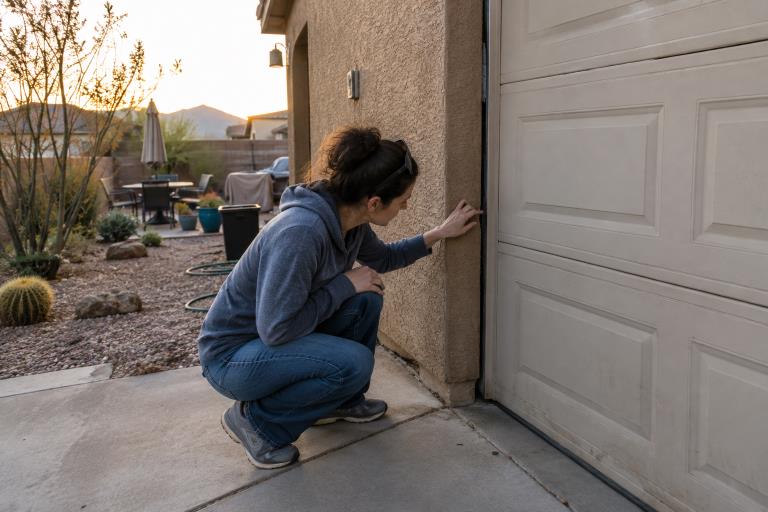
A 15-minute exterior walk can reveal many preventable issues. Follow the foundation and look for cracks, open gaps, damaged vents, or loose utility seals. Check doors, windows, screens, eaves, rooflines, and shaded walls. Lift or look beneath patio furniture, storage boxes, grills, and outdoor equipment. Note droppings, shed skins, webbing, mud tubes, nests, or damaged wood to track recurring activity.
Control Moisture Without Overwatering
Water is a major attractant in dry climates. Repair dripping outdoor faucets and damaged irrigation lines, and make sure air-conditioning condensation drains away from the foundation. Empty water from pots, trays, toys, buckets, and similar containers. Water landscaping appropriately for the plant type, but avoid keeping the soil constantly wet beside the house. Moisture can support mosquitoes and make sheltered areas more appealing to ants, roaches, and other pests.
Make The Yard Less Appealing To Pests
- Trim tree limbs and dense plants away from walls and rooflines.
- Control weeds and thick ground cover that create shelter near the home.
- Store firewood, lumber, and spare materials away from exterior walls.
- Remove fallen fruit and promptly clean up outdoor food waste.
- Keep trash lids closed and rinse food residue from recycling containers.
Seal The Small Openings Pests Use Most
Many pests need only a small opening to enter. Replace worn weatherstripping, add or repair door sweeps, and fix torn window or patio screens. Seal gaps around plumbing, wiring, vents, and utility lines with suitable materials. Keep garage doors closed when possible, and inspect the bottom seal if light or leaves can pass beneath it.
Use Smart Indoor Habits
Store dry foods in sealed containers and clean crumbs or spills promptly. Reduce clutter in closets, garages, laundry rooms, and storage areas, where pests can hide undisturbed. Inspect deliveries, cardboard boxes, firewood, and used furniture before bringing them inside. If practical for the household, avoid leaving pet food out overnight.
Know When A DIY Fix Is Not Enough
One insect indoors does not automatically mean an infestation. Repeated sightings, however, can indicate an unresolved food source, moisture issue, hiding place, or entry point. Daytime cockroach activity, termite swarmers, mud tubes, rodent sounds, bed bugs, repeated stings, or frequent scorpion sightings deserve prompt attention. Correct identification matters, and any product should be used only as directed on its label, with children and pets kept away from treated areas.
Choosing A Local Pest Management Provider
Before scheduling service, ask whether the company is licensed and insured, whether an inspection comes before treatment recommendations, and whether the plan addresses entry points and contributing conditions. Homeowners should also ask what products may be used, what safety steps are required, and how follow-up visits or re-treatment policies work. A clear explanation is usually more useful than a one-size-fits-all recommendation.
A Five-Step Monthly Home Check
- Check: Walk the perimeter for new gaps, droppings, nests, or moisture.
- Clear: Remove standing water, plant debris, fallen fruit, and outdoor clutter.
- Seal: Repair screens, door sweeps, weatherstripping, and visible openings.
- Clean: Review pantries, garages, storage spaces, and pet areas.
- Record: Note the pest, location, time, and frequency of sightings.
Common Questions About Desert Pest Prevention
Can A Clean Home Still Have Pest Problems?
Yes. Good housekeeping helps, but pests may also enter through structural gaps, drains, rooflines, firewood, landscaping, or shared walls.
Does Rain Always Make Pest Problems Worse?
Not always. Rain may temporarily change outdoor activity, but it can also create standing water, damp soil, and new shelter that support later pest activity.
Should Homeowners Spray Every Pest They See?
Not necessarily. Identification and the location of the pest matter. Treating without addressing the source may not provide lasting results.
When Prevention Becomes A Long-Term Plan
Desert pest prevention works best as a cycle: inspect, remove attractants, seal openings, monitor activity, and adjust as weather changes. A cleaner yard, tighter exterior seals, and better moisture control can make a meaningful difference. When activity continues or involves termites, rodents, bed bugs, stinging insects, or venomous pests, timely professional guidance can help protect the home and the people in it.