Key Takeaways
- Longshore work exposes individuals to multiple hazards, including machinery accidents, falls, and chemical exposures.
- Robust safety programs and regular training can significantly reduce workplace accidents.
- Employers are legally mandated to maintain safe workspaces and respond swiftly to identified threats.
Longshore workers play a vital role in the maritime industry, handling cargo and operating heavy machinery in constantly active, demanding port environments. Despite their crucial contributions, these workers encounter a variety of workplace hazards that make safety a constant concern. Understanding what puts longshore workers at risk and adopting effective safety strategies can help reduce the frequency and severity of longshoremen accidents in San Diego as well as in other busy ports.
From operating powerful equipment to working in harsh weather conditions, longshore workers face significant dangers every day. Employers, workers, and industry regulators must collaborate to minimize these risks by investing in training, enforcing rigorous safety protocols, and prioritizing proper equipment maintenance. Ensuring that everyone is aware of the risks and solutions is key to a safer workplace for all maritime professionals.
Longshore workplaces, due to the unique blend of industrial activity and environmental exposure, require specialized safety practices. Organizations like the Occupational Safety and Health Administration (OSHA) provide thorough guidelines and enforceable regulations that address the core safety risks in these settings. Staying informed on these practices is a shared responsibility across the maritime industry, as highlighted by both labor unions and safety researchers.
Machinery Accidents
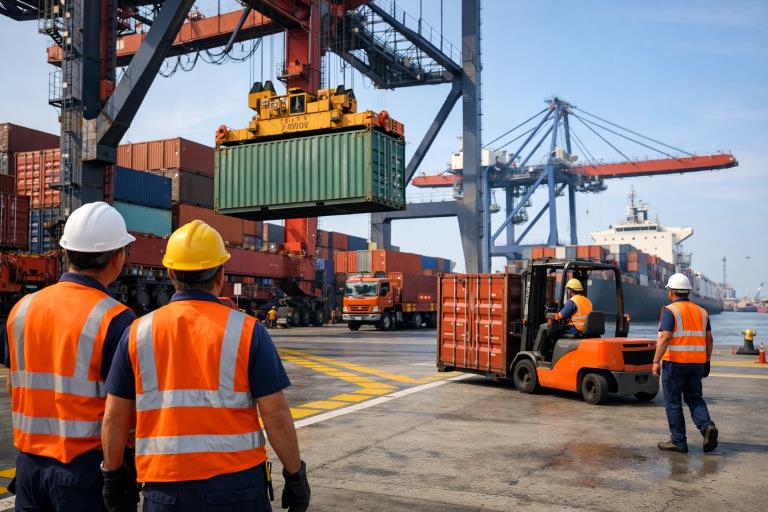
Heavy machinery is central to life on the docks. Longshore workers often operate cranes, forklifts, and other powerful equipment as part of their daily routines. Accidents can occur due to operator error, improper communication, mechanical malfunction, or lack of regular maintenance. For example, a crane with faulty hydraulics can drop containers, potentially causing life-threatening incidents for those below. Ensuring that all operators are certified and that equipment undergoes regular inspection is critical to reducing these risks.
Slips, Trips, and Falls
Wet decks, slick surfaces, and cluttered walkways are all too common in port facilities. Poor lighting, disorganized storage, and exposure to unpredictable weather further increase the risk of longshore workers slipping, tripping, or falling. Injuries from these accidents range from minor sprains to serious brain or spinal injuries. Prioritizing tidiness and ensuring adequate lighting are simple but effective ways to prevent these common incidents.
Chemical Exposures
Many longshore workers handle hazardous cargo, including everything from fuel to corrosive materials and industrial chemicals. Accidental spills, leaks, or improper storage can cause sudden or chronic health issues. These injuries might include chemical burns, respiratory distress, or long-term organ damage. It is essential that workers receive training in safe handling procedures and that protective equipment is always available and used correctly.
Falling Overboard
Ports are, by nature, close to water, and whenever workers are near open edges without adequate safety measures, there is a clear risk of falling overboard. Such incidents are exacerbated by unstable surfaces, missing safety railings, or slippery decks. Falling into cold or rough water can quickly turn fatal due to drowning or hypothermia. Utilizing personal flotation devices and ensuring that work areas have secure barriers are important preventive strategies.
Poorly Secured Cargo
Loads that are not properly fastened can easily shift and collapse, endangering anyone nearby. Factors that contribute to this hazard include incorrect stacking techniques, overloaded containers, or failure to secure equipment such as straps and chains. Even a minor shift can trigger a chain reaction that poses significant risks to workers who load and unload vessels.
Open Hatches and Unsecured Covers
Leaving cargo holds or access hatches open and unmarked is a frequent oversight that can lead to workers accidentally falling into cargo areas or machinery spaces. Negligence in marking these openings or in failing to secure them after use puts everyone operating on or near the deck at risk. Warning signs and physical barriers must always be in place whenever there are potential fall openings.
Preventive Measures
Addressing longshore hazards requires a proactive approach. Effective measures include:
- Regular inspection and preventive maintenance for all machinery.
- Keeping docks and vessel workspaces dry and clear from hazards.
- Ensuring all staff have access to and understand the use of personal protective equipment (PPE).
- Ongoing safety training focused on the specific risks unique to longshore work.
- Checking that all cargo is adequately secured before transport or unloading activities begin.
- Installing and maintaining guardrails, handholds, and safety barriers around all potential fall points and water edges.
Legal Responsibilities of Employers
Employers are required by law to protect their workers from harm. This obligation includes complying with established safety standards, performing routine risk assessments, and responding immediately to identified dangers. Neglecting these responsibilities can result in regulatory penalties and civil litigation, as well as increased accident rates and preventable injuries or deaths among workers. Employers must also ensure that employees can report hazards without fear of retaliation, fostering a culture of safety and accountability.
Conclusion
Longshore work presents unique safety challenges that require ongoing attention from both employers and workers. By following established safety practices, maintaining equipment, providing regular training, and complying with workplace regulations, organizations can reduce risks, prevent injuries, and create a safer working environment for everyone involved in maritime operations.