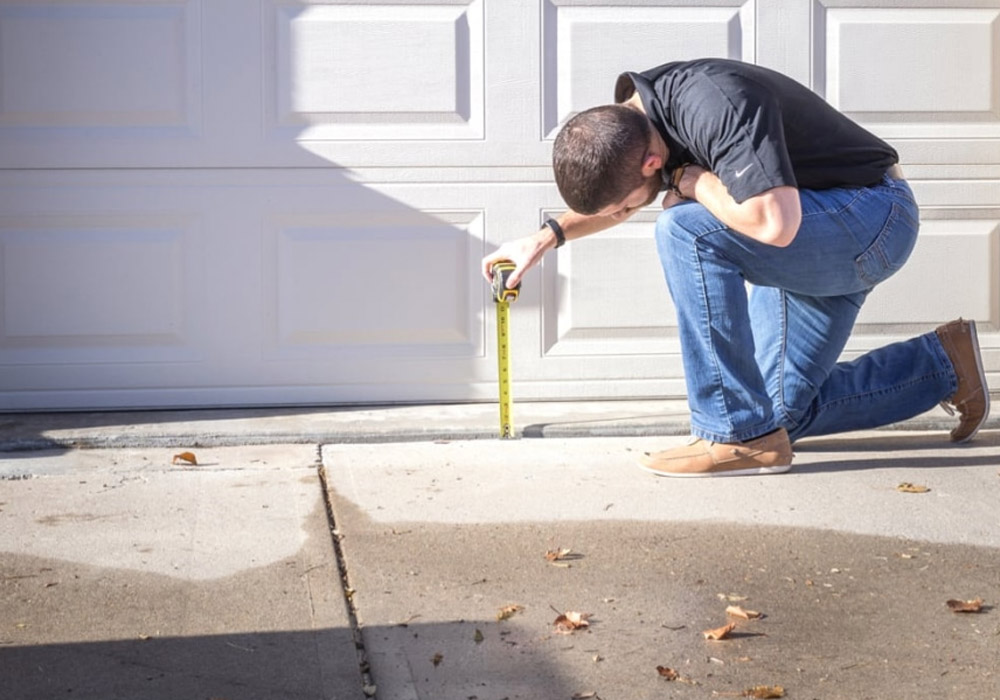
Concrete is known for being strong and durable, but it can still shift over time. Driveways, sidewalks, patios, garage floors, and other concrete surfaces may begin to sink when the soil underneath becomes unstable. Once this happens, the surface can become uneven, unattractive, and even dangerous. Replacing an entire concrete slab is not always necessary. Mud jacking is a repair method that can lift settled concrete back toward its original position without removing and rebuilding the whole surface. For property owners considering mud jacking services, understanding how the process works can make it easier to decide whether this type of repair is right for their property.
Why Does Concrete Sink?
Concrete slabs depend on the soil underneath them for support. When that soil moves, settles, washes away, or develops empty spaces, the concrete above it can begin to drop. One common cause is poor soil compaction. If the ground was not properly compacted before concrete was installed, the soil may slowly settle over time. Water can also cause problems. Heavy rain, drainage issues, leaking pipes, or melting snow can wash soil away from beneath a slab and leave empty areas. Changes in moisture can also make certain types of soil expand and contract. Repeated movement beneath the concrete can eventually cause part of the slab to sink. Seasonal weather changes and moisture conditions can contribute to movement beneath outdoor concrete surfaces. Identifying the reason for the settlement is an important part of choosing the right repair.
What Is Mud Jacking?
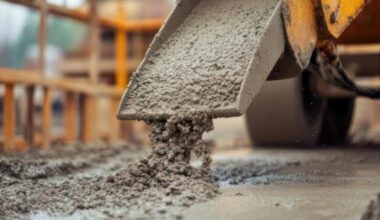
Mud jacking is a method used to raise concrete that has settled below its original level. Instead of removing the existing slab, technicians create small access holes in the concrete and pump a specialized mixture underneath it. As the material fills the empty spaces beneath the slab, pressure gradually lifts the concrete. The goal is to bring the surface closer to its proper position while creating additional support underneath. This type of concrete lifting can often be used for sidewalks, driveways, patios, steps, garage floors, and other concrete surfaces that are still structurally sound. Mud jacking focuses on correcting the support underneath the slab rather than immediately replacing the concrete itself.
How the Mud Jacking Process Works
The process usually begins with an inspection of the affected area. The contractor looks at how far the concrete has settled, checks for visible damage, and determines whether lifting the existing slab is practical. Small holes are then drilled into selected areas of the concrete. These openings provide access to the empty or weakened spaces beneath the slab. A lifting mixture is pumped through the holes. As the material spreads beneath the concrete, it fills gaps and begins pushing the slab upward. The contractor carefully monitors the movement to help keep the surface as level as possible. Once the slab has reached the desired position, the holes are filled and sealed. The result is a more even surface without the larger demolition work associated with completely removing and replacing concrete.
What Types of Concrete Can Be Restored?
Mud jacking can be useful for many common residential and commercial concrete surfaces. Uneven sidewalks are one example. When one section sinks lower than another, it can create a noticeable trip hazard. Driveways may also develop low areas where water collects. Restoring the height of the slab can improve the overall surface and may help water move in the intended direction. Patios, walkways, garage floors, and some concrete steps may also be candidates for sunken concrete repair. The condition of the slab itself matters. Concrete that has settled but remains mostly intact may respond well to lifting. However, concrete with severe cracking, crumbling, or major structural damage may require a different repair approach.
Benefits of Restoring Sunken Concrete
One of the biggest benefits of mud jacking is that it allows property owners to keep existing concrete when the slab is still in usable condition. This can reduce the amount of demolition needed for the project. It can also improve safety. Uneven concrete creates raised edges and changes in elevation that people may trip over. Lifting the lower section can create a smoother walking surface. Appearance is another advantage. A sunken section of concrete can make a driveway, patio, or walkway look poorly maintained. Concrete leveling can help restore a cleaner and more consistent appearance. Correcting low areas may also help reduce standing water. Water that repeatedly collects around concrete can contribute to further soil movement, surface wear, and drainage concerns. Addressing settlement early can help prevent a small uneven area from becoming a larger property maintenance issue.
When Is Mud Jacking a Good Option?
Mud jacking may be a good choice when a slab has settled but remains relatively solid. The technique is designed to lift concrete, so the existing slab needs to have enough structural strength to stay together during the process. It is commonly considered when the main problem is a loss of support underneath the concrete rather than severe deterioration of the concrete itself. A professional inspection can help determine whether the slab can be lifted safely. The amount of settlement, soil conditions, drainage, cracking, and location of the concrete should all be considered. Property owners should avoid assuming that every uneven slab requires replacement. In some cases, restoring the existing concrete may provide a practical solution.
Why Address Sunken Concrete Early?
A small difference in concrete height may not seem serious at first, but settlement can continue. As the slab moves, cracks may grow, gaps may become larger, and nearby sections may experience additional stress. Uneven concrete can also become a safety concern around entrances, sidewalks, driveways, and other frequently used areas. Water may collect in low spots or flow toward parts of the property where moisture is unwanted. Taking care of the problem early gives property owners more repair options. Waiting until the slab becomes badly damaged can make restoration more difficult. Regularly checking outdoor concrete can help homeowners notice sinking, cracking, drainage problems, or changes in elevation before they become more significant.
Restore Your Concrete Instead of Starting Over
Sunken concrete does not automatically mean the entire surface needs to be removed and replaced. When the slab is still structurally sound, mud jacking may be able to raise it, fill empty spaces underneath, and create a more even surface. Understanding what caused the settlement is just as important as lifting the slab. Drainage, soil movement, and other underlying conditions should be considered when planning a lasting repair. For homeowners researching mud jacking solutions in Salt Lake City, having the concrete inspected can help determine whether lifting is appropriate. Taking action when settlement first appears can improve safety, restore the appearance of the property, and help protect existing concrete for years to come.