Key Takeaways
- OSHA 10 provides entry-level construction workers with basic hazard-awareness training.
- It addresses major job site risks, including falls, electrical hazards, struck-by incidents, caught-in hazards, and chemical exposure.
- Construction recorded 1,034 private-industry workplace deaths in 2024.
- An OSHA 10 card is a course completion card, not a professional license or certification.
- Workers get the greatest benefit when they apply the lessons during daily planning, inspections, and safety discussions.
Construction work changes quickly, and a safe decision often starts with noticing a problem before work begins. An OSHA 10 online course can give new and experienced workers a practical foundation for recognizing common hazards, understanding safety expectations, and speaking up when something does not look right.
OSHA 10 training is not a substitute for hands-on instruction or an employer’s safety program. It is a starting point that helps workers connect everyday tasks, from climbing a ladder to working near heavy equipment, with the controls needed to reduce risk.
What Is OSHA 10 Training?
OSHA 10 is a 10-hour safety and health awareness course intended primarily for entry-level workers. The OSHA Outreach Training Program teaches workers how to recognize, avoid, prevent, and report common workplace hazards. Students who complete an approved course receive a completion card from an OSHA-authorized trainer.
That card should not be confused with a trade license, a professional credential, or proof that someone is qualified to perform every task. OSHA 10 also does not guarantee employment. While employers, unions, cities, states, and project owners may require it, OSHA does not require Outreach training for every construction worker.
Why OSHA 10 Matters on Construction Sites
Construction sites can look different from one day to the next. New crews arrive, materials move, weather changes, equipment is repositioned, and one trade may create a hazard for another. Basic safety training helps workers pause long enough to recognize changing conditions rather than relying on routine or rushing through a task.
The need for hazard awareness is clear. The 2024 fatal work injury data show that construction had the highest number of private-industry workplace deaths, with 1,034 fatalities. Training cannot eliminate every risk, but it can help a worker notice an unprotected edge, a damaged extension cord, a shifting traffic route, or an unstable load before an incident occurs.
Common Hazards Covered in OSHA 10
Construction OSHA 10 courses introduce the hazards workers are most likely to encounter and the general controls used to address them. Key subjects typically include:
- Falls:Ladders, scaffolds, roof work, floor openings, elevated platforms, and leading edges.
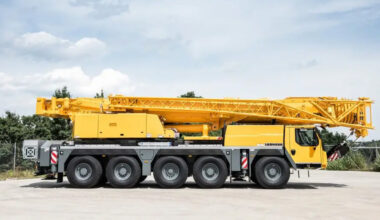
- Struck-by hazards:Vehicles, backing equipment, cranes, falling objects, and swinging loads.
- Caught-in or caught-between hazards:Trench collapses, pinch points, machinery, and shifting materials.
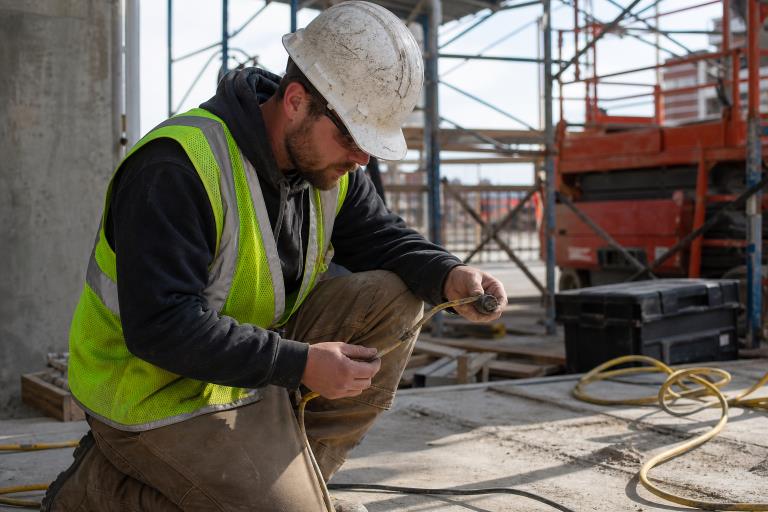
- Electrical hazards:Overhead lines, temporary wiring, damaged cords, and improperly used tools.
- Health hazards:Silica, lead, asbestos, noise, heat, fumes, and hazardous chemicals.
- Protective measures:PPE, tool inspections, fire prevention, emergency response, material handling, and safe equipment practices.
Benefits for Workers and Employers
For Workers
Workers learn the safety language used in toolbox talks, job hazard analyses, and pre-task planning. That shared vocabulary can make it easier to ask clear questions, understand warning signs, and report unsafe conditions. New workers gain a useful baseline before taking on unfamiliar assignments, while experienced workers can refresh habits that have become automatic.
For Employers
A workforce with basic hazard awareness gives supervisors a stronger starting point for onboarding and daily communication. Workers may identify problems earlier and describe them more clearly. However, OSHA 10 works only as one part of a larger program that includes supervision, planning, engineering controls, inspections, site rules, and task-specific training.
What OSHA 10 Does Not Replace
A general awareness course cannot prepare someone for every condition on every project. OSHA 10 does not replace employer orientation, site-specific instruction, competent supervision, or hands-on training for tools and equipment. It also does not make a worker a competent person, a qualified person, a safety manager, a forklift operator, a crane operator, a respirator user, or a confined-space entrant.
Tasks involving regulated or high-risk work may require additional instruction, evaluations, medical clearance, or documented training. Workers should always follow the rules established by their employer and the project, even if those requirements go beyond what was covered in OSHA 10.
This includes wearing the right personal protective equipment for specific tasks like grinding or welding. Standard safety glasses often fail to protect workers who need vision correction, as stacking regular glasses under goggles is uncomfortable and unsafe. Having safety glasses tailored to your prescription is a simple way to solve this problem. These specialized glasses meet ANSI impact standards while keeping your vision clear on the job. Employers often help workers get this gear to make sure everyone stays safe and compliant.
Who Should Consider OSHA 10 Training?
OSHA 10 is often a good fit for entry-level construction workers, general laborers, apprentices, pre-apprentices, and workers transitioning into construction. It can also benefit carpenters, electricians, plumbers, roofers, masons, and other tradespeople who need a common safety baseline.
OSHA 30 generally goes further than OSHA 10. OSHA 10 is geared toward workers who need awareness of common hazards, while OSHA 30 is more appropriate for supervisors and workers with broader safety responsibilities. The right course depends on the worker’s role and any employer, union, or project requirements.
How To Apply the Lessons on a Jobsite
- Review the work plan.Know what each crew is doing and where tasks may overlap.
- Look for changing conditions.Check weather, access routes, equipment movement, housekeeping, and nearby work.
- Inspect tools and PPE.Remove damaged tools, cords, guards, and protective equipment from service.
- Discuss the main hazards.Keep toolbox talks focused on the work planned for that day.
- Use effective controls.Favor safer methods, barriers, guards, and procedures before relying only on PPE.
- Speak up early.Report hazards, near misses, and unclear instructions before work continues.
What To Check Before Choosing a Course
Before enrolling, confirm that the provider offers construction training through an OSHA-authorized trainer. Check whether the format meets the employer or project requirement, supports the learner’s language and accessibility needs, and explains how the completion card will be issued. Keep the card and course details in a safe place, since replacement records may be needed later.
Common Questions About OSHA 10
Is OSHA 10 required by federal law?
No. OSHA does not require Outreach training for every worker, though other hazard-specific OSHA training may be required. Local rules and jobsite policies can also require an OSHA 10 card.
Can OSHA 10 be completed online?
Online options may be available through authorized providers. Workers should verify that the selected course meets the requirements set by the employer, union, or project owner.
Does OSHA 10 expire?
OSHA Outreach cards do not have a federal expiration date. Still, employers or project owners may require refresher training or a card completed within a certain period.
Is OSHA 10 enough for a safe construction site?
No. It is a valuable first step, but safe work depends on planning, communication, supervision, equipment controls, and continuous site-specific training. OSHA 10 matters because it helps workers recognize hazards early and make safer choices before a small problem becomes a serious injury.
Final Thoughts
OSHA 10 training provides workers with an important foundation for recognizing common construction hazards and making safer decisions on the job. However, completing the course is only one part of maintaining a safe work environment. Workers should apply what they learn through daily hazard checks, proper use of controls and PPE, clear communication, and compliance with employer and site-specific safety requirements. When safety awareness becomes part of everyday work, OSHA 10 training can serve as a practical starting point for reducing risks and preventing injuries.