Key Takeaways
- Delays often result from disputed liability, incomplete records, or ongoing medical care.
- A settlement offer should be evaluated against present and reasonably expected future losses.
- Organized medical, financial, and digital evidence can help move a claim forward.
- Mediation and arbitration are different processes with different levels of formality and finality.
- Florida deadlines can vary by claim type and defendant, so negotiations should not replace deadline tracking.
A stalled injury claim can be frustrating, especially when medical bills, missed work, and calls from insurers keep piling up. In Florida, a delay does not automatically mean a claim is weak. It may mean the insurer needs records, that the fault is disputed, that treatment is ongoing, or that more than one policy could apply. In some situations, personal injury mediation can help the parties discuss a resolution before the matter reaches a full trial.
Why Personal Injury Claims Stall
Insurance claims do not move on a universal schedule. An adjuster may be reviewing a crash report from I-4, a slip-and-fall incident in a Florida business, witness statements, coverage limits, or the connection between an accident and later treatment. Delays can also arise when several drivers, property owners, employers, or insurers may share responsibility.
For example, a person may initially believe a back injury will resolve in a few weeks, then require physical therapy, diagnostic testing, or work restrictions over several months. A quick offer made before the recovery picture is clear may not account for that additional care.
First Steps When Communication Slows
Start with a calm, written follow-up. A clear email or letter creates a record and can identify the actual issue holding up the review. During the first week of an apparent delay, consider taking these steps:
- Record the date of the last meaningful claim update.
- Ask what documents, records, or information remain outstanding.
- Request a written explanation for any denial, delay, or low valuation.
- Save claim numbers, emails, letters, voicemails, and notes from phone calls.
- List all approaching insurance, notice, and lawsuit deadlines.
Evidence That Can Help Move a Claim Forward
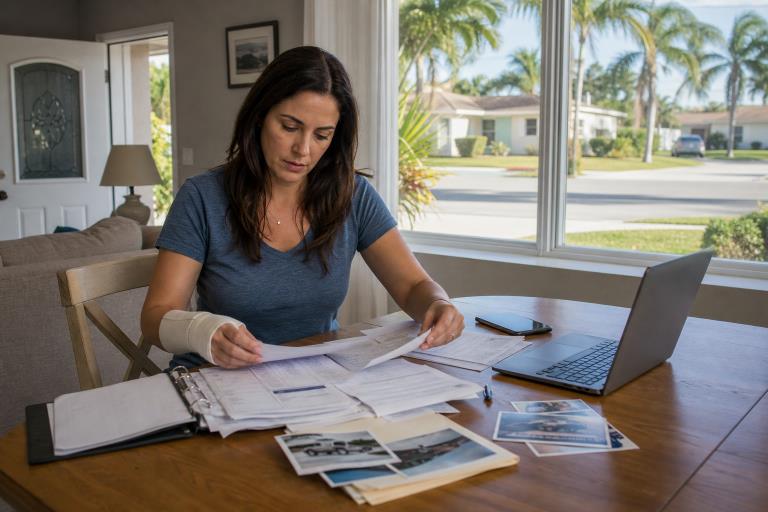
Strong evidence does more than show that an accident occurred. It can connect the event to the injury, treatment, expenses, and income loss. Keep materials in dated folders so they are easy to locate when an insurer requests them.
- Medical records, bills, prescriptions, and treatment notes
- Photos or video of the scene, vehicles, hazards, and visible injuries
- Police reports, incident reports, and witness contact information
- Pay stubs, employer statements, and records of missed work
- Repair estimates and property-damage documentation
- A daily journal describing symptoms, appointments, limitations, and recovery progress
Preserve digital evidence early. Phone videos, dashcam recordings, texts, social media messages, and security footage may be overwritten, deleted, or become harder to authenticate over time.
What to Review Before Accepting a Settlement Offer
An offer should not be judged by its dollar amount alone. Consider whether it addresses all known losses and whether signing requires a broad release of future claims. A settlement may be difficult or impossible to revisit once the release is signed.
Questions to Ask Before Signing
- Does the amount cover current medical bills and unpaid balances?
- Could future treatment, testing, therapy, or medication be needed?
- Has the person returned to work at full capacity?
- Are wage losses or reduced earning capacity included?
- Will liens, fees, or expenses reduce the amount received?
- Does the release apply to every claim connected to the incident?
How Medical Recovery Affects Claim Value
Healthcare providers make medical decisions, but the course of treatment can affect claim evaluation. Follow-up care, physical therapy, surgery recommendations, mobility limits, medication needs, and changes in work capacity may all matter. Follow the treatment plan when possible, report new symptoms promptly, and keep records of appointments and daily limitations.
Ways to Restart Settlement Talks
When communication resumes, focus on the specific disagreement rather than repeating the entire history of the claim. The parties may agree that an accident occurred but disagree about fault, the necessity of treatment, or the length of a work absence.
- Prepare a concise incident and recovery timeline.
- Send a complete, organized evidence package.
- Separate medical costs, wage losses, property losses, and other damages.
- Ask the insurer to identify the precise basis for its position.
- Provide a reasonable date for a written response.
When Mediation May Help
Mediation is a structured negotiation led by a neutral third party. The mediator generally helps the sides communicate, test settlement options, and identify areas of agreement, rather than deciding who wins. It may be useful when both sides have enough information to negotiate but remain far apart on value or responsibility.
Florida residents considering this process can review how mediation works as they evaluate the role and qualifications of a mediator. Mediation can offer privacy, flexible discussion, and room for tailored terms, but it may not resolve a dispute when a party refuses to exchange meaningful information or denies liability entirely.
When Arbitration May Be Considered
Arbitration differs from mediation because an arbitrator may issue a decision after hearing evidence and arguments. Before agreeing to arbitration, review whether it is voluntary or required, whether the outcome is binding, how costs are shared, what evidence may be presented, and whether any appeal rights exist. It can be more focused than court litigation, but it may also limit procedures otherwise available in court.
Deadlines, Records, and Common Mistakes
Do not assume that ongoing talks extend the time to file a lawsuit. Florida’s limitations rules for civil actions are only one part of the deadline analysis, as the applicable period can depend on the facts, the defendant, and the claim type.
Common mistakes include waiting to seek care, posting accident details online, failing to preserve video, accepting a payment without reviewing release language, ignoring liens or bills, and treating an adjuster’s first estimate as the final value of a claim.
Common Questions
How long can a personal injury claim stay open?
There is no single timeline. Claims involving serious injuries, disputed fault, multiple insurers, or continuing treatment often take longer than straightforward matters.
What if the insurance company stops responding?
Follow up in writing, document each contact attempt, ask what remains under review, and carefully assess any applicable deadlines.
Can mediation happen before a lawsuit?
Yes. Mediation may occur before or after filing, depending on the circumstances and whether both sides have enough information to negotiate constructively.
Conclusion
A stalled personal injury claim calls for organization, patience, and attention to detail. Better documentation, a focused negotiation, mediation, arbitration, or court action may be appropriate depending on the facts. The important steps are to protect evidence, understand the medical outlook, review settlement language carefully, and avoid losing options due to missed deadlines.