Buying a used car in Manchester can be difficult because the choice is wide and not every vehicle has been looked after through its life on northern roads. You might find a smart family hatchback that handles the M60 commute and the school run for years. You might also find one that looks clean on the forecourt but drains cash for months. A careful buying process helps you tell the difference.
Set a real budget before you browse
The sticker price tells you very little about what a car will cost to run around Manchester. Insurance varies by postcode and driver, while road tax and fuel can turn an apparent bargain into a burden within a few months. Family buyers who stretch their budget for a premium badge can then struggle with the cost of tyres and servicing.
Set your all-in figure first. Decide what you can spend on the car, then work out insurance and road tax for the year. Think about fuel for a normal week of commuting, shopping and school runs too. You can check the tax band and insurance group before travelling to view. If the figures don’t work on paper, they won’t work once you own the car.
Choose a car for the job it needs to do. Space for pushchairs and luggage matters more than the badge on the nose, while safety equipment and manageable running costs make a real difference in daily use. A smaller engine with a lower insurance group is often the smarter buy for town driving. Don’t pay for size or speed you won’t use.
Don’t empty the pot on the purchase.
Every used car is likely to need something eventually. Tyres and brakes wear, and servicing falls due. Keep some money back so the first bill doesn’t hurt. If the sums already feel tight, walking away early is a win.
Know who you are buying from
You can buy from a car supermarket, an independent dealer or a private seller. Each route involves a different balance of price, support and choice, so the asking price should not decide everything.
A supermarket may offer extensive stock and a standardised sales process. An independent dealer may carry fewer cars but offer more direct discussion of an individual vehicle. A private seller can be cheaper, but consumer protections are more limited.
The law treats these routes differently. When you buy from a dealer, the Consumer Rights Act 2015 provides statutory rights relating to matters such as quality, fitness for purpose and description. A private sale offers more limited protection, although the car must still be accurately described and the seller must have the right to sell it. Consider that difference when comparing a forecourt price with a driveway price. A lower private-sale price needs to be weighed against the more limited consumer protection.
Warranty arrangements vary as well. A dealer may include a warranty or offer after-sales help, but the terms and length of cover should be checked carefully, and a warranty does not replace your statutory rights. A private car will not normally come with warranty support once money changes hands. If you don’t have mechanical knowledge, reliable dealer back-up can have real value.
Do the paperwork checks first
Paperwork often reveals more than polished paint. Complete the checks before you become attached to a car, and make a history check first part of your buying routine.
Run a history check before you pay anything
Buy a vehicle history check from a trusted provider and read the full report. Check for outstanding finance, then look separately for a write-off marker or stolen vehicle record. Do not proceed until an outstanding-finance or theft flag has been resolved. A write-off marker calls for careful scrutiny of the category, repairs, insurance implications and price. Look for mileage that jumps or falls between records as well. A clocked car is rarely worth the trouble, even when the price is low.
Don’t pay a deposit yet.
A seller who presses for a deposit before checks have been completed is giving you reason to be cautious. A straightforward seller should allow time for you to verify finance, theft and write-off status. Keep hold of your money until the paperwork is clear.
Read the MOT history like a diary
Use the free GOV.UK MOT service to view every available test for the car. Read the failures and advisories in date order. Look for recurring faults that were never properly resolved, including brake or suspension issues that appear year after year. Also note failures that become passes the next day when the seller cannot provide an invoice for parts or labour. That pattern may indicate that only the minimum work was done to secure a pass.
Check the mileage recorded at each test. It should rise in steps that make sense alongside the service history. A sudden drop or a year with no increase needs a clear explanation. Most vehicle searches now begin online, but this free record can tell you more than a set of carefully chosen photographs.
Match the VIN and V5C
Check the vehicle identification number in two places on the car, such as the base of the windscreen and the door sill plate. Both must match the number shown on the V5C logbook. The V5C should display the correct registration and keeper details, with no obvious signs of tampering. Service book stamps should be consistent with MOT dates and recorded mileage. Gaps, changes in handwriting or unexplained entries deserve questions.
Remember that an MOT is a minimum safety snapshot. It is not a service or a full assessment of the car’s condition. A fresh pass does not mean the engine has fresh oil, the gearbox is sound or every advisory has been addressed. Use the MOT record alongside a history check, service records and a careful inspection of the car.
Look past the valet
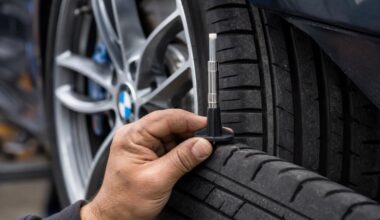
A clean engine bay and freshly blacked tyres can disguise a thin service record. Treat broad claims about preparation with care and carry out your own checks. Start with the tyres. Look at the age, condition and brand across all four, then check the spare where one is fitted. Four matching quality tyres can suggest consistent upkeep. A mixture of budget tyres with different dates may point to cost cutting elsewhere.
Open the bonnet and boot while the car is cold. Check the oil and coolant against the manufacturer’s level markings, and look for leaks or obvious contamination without opening a hot cooling system. The boot floor should be dry and straight, without damp or suspicious fresh paint. Inside, test every switch and seat fold. The amount of wear should be believable for the displayed mileage.
If you lack the tools, confidence or time, consider paying for an independent inspection from the AA or RAC before committing to a private purchase. The fee may be modest compared with the cost of engine or gearbox repairs. There’s no shame in asking for help. An inspection may uncover costly mechanical or electrical problems that are not apparent in photographs.
Find a seller you can go back to
Many buyers start on Auto Trader and dealer websites before completing the deal in person. That final stage matters. You should be able to view stock in daylight, meet the staff and know where to return if an issue arises. Look for clear pricing and honest photographs that include flaws. Service records should be available, and staff should be comfortable with inspections and proper test drives.
When you search for car sales manchester you will find large-volume sites and small forecourts side by side, so judge them by their process rather than their size. A reliable dealer should show history and MOT records without fuss. You should have time to inspect the tyres, documents and service books at your own pace. Warranty terms should be provided in writing, with a clear explanation of what happens if a fault appears after the sale.
Visit twice if practical. Use the first visit to shortlist the car and check its paperwork, then return to drive it and make a decision. Pressure to buy during the first visit is rarely a good sign. A calm forecourt where you can inspect the actual stock is worth more than a set of slick online images.
Drive it on Manchester roads
A quick loop around the block won’t reveal much. Plan a route that allows the car to warm through and includes roads similar to those you use every day. Where practical, take a short run on the M60 or M56 to test acceleration on slip roads and settled cruising at speed. Follow that with A-roads and uneven side streets to assess ride quality and cabin noise.
Listen for suspension knocks over sharp bumps and feel for brake judder through the pedal. Check for gearbox hesitation when it shifts in either direction, along with steering that pulls under braking. Any of these signs should be investigated before you start discussing the price.
Test the ordinary equipment too. A cold start should be clean, without smoke or rattles. The heater should provide hot and cool air, and the air conditioning should chill promptly. Reversing cameras and parking sensors should work first time. Turn the radio off for part of the route so you can hear the car properly. Take a friend if possible, as a second pair of eyes may notice kerbed wheels or misted lights that you overlook.
Consider parking and daily practicality. If you depend on street parking, check local permit rules before buying a large car. If you take children to school each day, try the boot access and rear doors in a space similar to your street. A car that fits your road and parking bay is easier to live with than one that only looks suitable on the forecourt.
Haggle on facts and close cleanly
Effective haggling is calm and based on what you found. Refer to MOT advisories, missing service records, worn tyres or visible brake wear. Ask for a reasonable price movement that reflects the work required, or request that the work be completed and supported by invoices. Sellers tend to respond better to specific evidence than vague claims that the car is too expensive.
Know your part-exchange value before visiting. Get two or three written cash offers so you have a realistic idea of what your old car will fetch. This helps you spot a deal where an apparent discount on the new car hides a low trade-in offer. Keep the purchase and part-exchange figures separate in your mind, even if both appear on the same invoice.
Arrange the money with a cool head. Dealer finance such as HP or PCP may suit some buyers, while a bank loan may work better for others. Compare the total amount repayable rather than focusing only on the monthly figure. Check the deposit, who owns the vehicle until the final payment and how early settlement works. Don’t agree to extras you don’t need simply to secure the car.
Check emissions and tax one final time. If you are considering an older diesel, review current local rules that could affect where you can drive it. Where road tax is high, make sure the expected fuel costs still fit your budget. These final checks can prevent trouble later. Take the V5C new keeper slip and arrange insurance before driving home.
Buy the car that suits your life and your budget rather than the one that looks loudest on the screen. Manchester offers plenty of stock for patient buyers who check the paperwork, inspect the tyres and complete a useful local test drive. Do that work and you can drive home feeling confident rather than doubtful.