Key Takeaways
- The right Austin neighborhood should fit your daily routines, budget, travel needs, and long-term plans.
- Similar-priced homes can create very different monthly costs and everyday experiences.
- Commute patterns, flood exposure, nearby construction, and local services deserve attention before an offer.
- Metro market trends are useful context, but street-by-street research matters more when choosing where to live.
Choosing a home in Austin is about more than bedrooms, finishes, and listing photos. From active central districts to quieter Hill Country edges, Austin, Texas, offers distinct settings that can change how you spend your time, money, and weekends. Buyers seeking a neighborhood-specific perspective can work with Austin real estate agents at DEN Property Group, an Austin-based brokerage serving residential buyers and sellers, investors, developers, and landowners. With an office in downtown Austin and dedicated residential, commercial, short-term rental, and land-and-ranch divisions, DEN Property Group can help clients compare homes and property types across Austin and nearby Central Texas communities.
Why Neighborhood Choice Matters
Location shapes the practical side of ownership. It can affect travel time, insurance needs, parking, access to parks and stores, renovation expectations, and future buyer interest. A downtown condo, an established home in North Austin, and a larger property beyond the city’s core may fit the same purchase budget while delivering very different routines. There is no universal best neighborhood. The better question is which area supports the way you actually live now, while leaving room for the changes you expect over the next several years.
Start With Your Daily Routine
Before touring homes, make a short list of how your household moves through a normal week. Separate each item into non-negotiables, strong preferences, and nice-to-haves. This keeps a stylish kitchen or attractive staging from distracting you from the fundamentals of the location.
Questions To Ask
- How many days each week do you travel to work, school, or regular appointments?
- Do you want walkable access to restaurants, coffee shops, trails, parks, or grocery stores?
- Would you prefer a smaller home closer to the city or more interior and outdoor space farther out?
- Do you need convenient routes to downtown, the airport, medical care, major employers, or family members?
- Will the home still work if your household, job location, or transportation needs change?
Compare Austin Areas By Lifestyle
Central Austin
Central areas can appeal to buyers who value restaurants, cultural venues, established parks, and shorter trips to downtown. Housing may include condos, townhomes, older single-family homes, and smaller lots. In exchange, buyers may encounter tighter parking, heavier traffic, older systems that require inspection, and higher prices per square foot.
North And Northwest Austin
North and northwest areas offer a broad mix of established neighborhoods, newer communities, shopping, and access to employment centers. Trips can vary greatly depending on whether a home is near The Domain, Round Rock, Cedar Park, or Leander. A map estimate is only a starting point, so compare routes during weekday rush hours.
East And Southeast Austin
East and southeast Austin feature older homes, infill development, creative businesses, parks, and evolving commercial corridors. Conditions can shift quickly from one block to another, making it important to inspect the immediate surroundings, planned road work, drainage, and nearby redevelopment rather than judging an entire area by a single listing.
Southwest Austin And Hill Country Communities
Southwest Austin and nearby Hill Country communities can provide larger lots, outdoor access, and quieter streets. Those benefits may also mean longer drives and more reliance on a car. Review road access, utility service, drainage, vegetation management, and emergency routes before deciding that extra space is worth the tradeoff.
Build A Realistic Neighborhood Budget
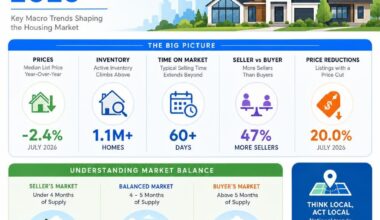
The listing price is only one part of affordability. Compare mortgage principal and interest with property taxes, homeowners’ insurance, possible flood coverage, homeowners’ association fees, utilities, maintenance, tolls, parking, and commuting costs. For example, a lower-priced home farther from work may appear to be the less expensive choice. If it requires more fuel, tolls, vehicle wear and tear, insurance, lawn care, and time on the road, the monthly difference may narrow. Price each option using the same assumptions before deciding. Central Texas housing data from mid-2026 showed year-to-date gains in closed sales, a modest decline in the regional median price, and stronger pending sales across the Austin-Round Rock-San Marcos area. That context can help buyers understand the broader market, but it cannot replace recent comparable sales and active inventory for a specific neighborhood.
Check Commute Times And Access
Test a prospective neighborhood under real-world conditions rather than relying on a single navigation estimate. Drive the primary route on a weekday morning and evening, then check it again on a weekend. Identify alternate routes for crashes, severe weather, events, and construction. If transit, biking, or walking matters to you, try those options as well. Access can be as important as distance. A home close to downtown may still involve a difficult route, while a home farther away may have a more predictable trip to the airport, an employer, or a regular school pickup.
Research Schools And Local Services
Confirm school attendance boundaries directly with the relevant district because boundaries and enrollment policies can change. Also visit the places your household will use most often, including childcare, grocery stores, hospitals, libraries, parks, pharmacies, and recreation facilities. School information is one factor in a larger property decision, not a substitute for reviewing the home itself.
Review Flood Risk, Noise, And Future Development
Research the details that may not stand out during a daytime showing: floodplain status, visible drainage paths, airport or highway noise, rail activity, cell coverage, internet options, and water, power, and sewer infrastructure. Ask about nearby road widening, transit work, apartments, retail centers, or industrial construction that could change access or noise levels. Broader reporting on Austin homeowners staying put is a reminder that citywide housing behavior can influence available inventory. Still, trends reported across Austin do not necessarily describe demand, resale conditions, or development plans on a particular block.
Tour Each Area Before Making An Offer
Visit your short list more than once. Go on a weekday morning, weekday evening, weekend afternoon, and after dark when appropriate and safe. Notice street noise, parking pressure, sidewalks, shade, drainage, vacant lots, nearby businesses, and the condition of surrounding homes. A repeat visit often reveals details that a single showing misses.
Final Austin Neighborhood Checklist
Score each finalist from one to five in these categories:
- Budget: Can the full monthly cost fit comfortably?
- Commute: Does travel time work during busy weekdays?
- Lifestyle: Are nearby amenities and outdoor options a realistic fit?
- Home type: Does the area offer the right mix of homes, condos, land, or new construction?
- Future plans: Will the neighborhood still work if your needs change?
- Risk and resale: Have insurance, flood exposure, development, and buyer demand been reviewed?
The strongest Austin neighborhood choice is usually the one that supports everyday life, not simply the one that looks best online. Carefully compare costs, routines, access, risks, and plans, then choose the place that gives your household the most practical confidence.