Key Takeaways
- BMW maintenance should reflect the vehicle’s age, mileage, condition, and daily driving habits.
- Dashboard reminders are helpful, but visual checks and attention to new symptoms still matter.
- Oil, tires, brakes, fluids, batteries, filters, and cooling components need regular attention.
- Early diagnosis can limit damage, reduce downtime, and provide more repair options.
- Accurate records help prevent missed service and can support resale value.
BMW ownership can be rewarding, but it also calls for a maintenance routine that goes beyond waiting for a dashboard message. Turbocharged engines, sophisticated electronics, performance-oriented brakes, and complex cooling systems all benefit from timely inspections and the correct parts, fluids, and procedures.
For drivers looking for BMW repair Seattle, WA, EuroCar Service provides BMW maintenance, diagnostics, and repair from its Seattle location on Roosevelt Way NE. Its focus on European vehicles, model-specific service needs, clear recommendations, and concerns ranging from warning lights to brakes, engines, transmissions, and suspension makes it a useful local option when a BMW needs more than a basic check.
Why a BMW Needs a Planned Maintenance Routine
A good plan separates care into three categories: routine maintenance, scheduled inspections, and symptom-based repairs. Routine work includes oil service and tire checks. Scheduled work follows the vehicle’s maintenance information. Symptom-based repairs address warning lights, leaks, noise, rough running, or a change in handling before the concern becomes more serious.
Start with your BMW owner’s manual, then compare its guidance with the vehicle’s service history and dashboard notifications. Service needs vary by model, engine, drivetrain, mileage, climate, and use. A short-trip commuter may have different needs than a vehicle driven mostly on open highways.
Start With the Vehicle’s Service History
Before approving maintenance, gather the facts. Review past invoices, warranty paperwork, inspection notes, and any prior recommendations. Record the current mileage and note when important work was last completed.
- Last oil and filter service.
- Last brake fluid replacement.
- Previous battery, cooling system, suspension, or transmission repairs.
- Current warning lights or stored diagnostic messages.
- New changes in starting, shifting, braking, fuel economy, or ride quality.
Monthly Checks That Take Only a Few Minutes
Simple checks can reveal a problem early. Once a month, look at tire condition, exterior lights, wiper performance, visible fluid levels, and the area beneath the vehicle for fresh leaks. Listen for new rattles, squeals, clicks, or vibrations during normal driving. A small puddle or low tire is usually easier to address before it affects other parts.
Tires and Brakes
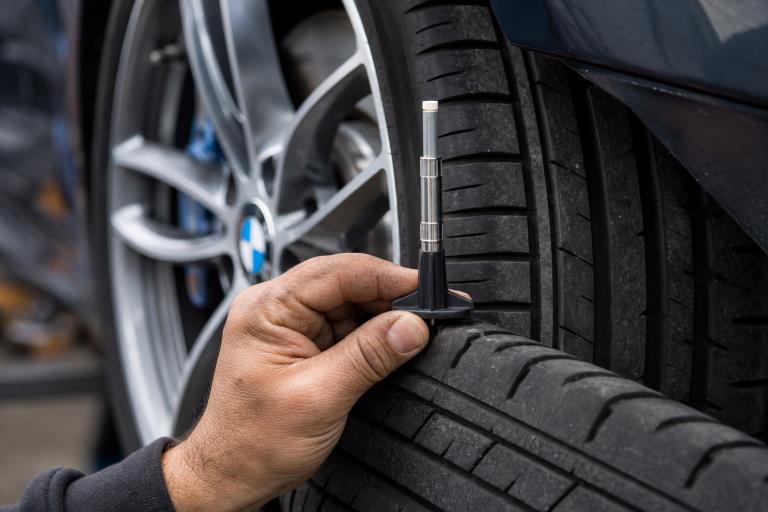
Check tire pressure when tires are cold, inspect tread for uneven wear, and look for sidewall cracks, cuts, or bulges. The federal tire safety guidance is a useful reminder that pressure and tread affect traction, braking, handling, and tire life. Ask for a brake inspection when replacing tires, especially if you notice squealing, grinding, steering vibration, pulling, a soft pedal, or longer stopping distances.
Oil, Filters, and Engine Health
Clean oil reduces friction, helps manage heat, and protects internal engine components. Use the oil specification and filter designed for the exact BMW model, not a generic substitute chosen only by viscosity. Air, cabin, and fuel filters also affect performance, comfort, and engine operation.
Arrange an inspection if you see oil spots under the vehicle, notice blue or unusual exhaust smoke, experience rough idle or delayed starts, hear ticking or whining, or observe reduced power and fuel economy. These symptoms may have simple causes, but they can also signal leaks, ignition issues, sensor faults, or developing mechanical wear.
Cooling System, Battery, and Electronics
BMW cooling systems can include a radiator, hoses, an expansion tank, a thermostat, a water pump, a fan, sensors, and other components. If a temperature warning appears, stop driving as soon as it is safe, allow the engine to cool, and do not remove a pressurized coolant cap while hot. After cooling, check for visible leaks and arrange an inspection before returning to normal driving.
A weak battery can create slow starts, intermittent warnings, and unusual electrical behavior. Record the exact wording of any dashboard message and take a photo when possible. A proper diagnostic scan can help distinguish a low-voltage issue from a larger electrical or mechanical concern.
How Seattle Driving Conditions Affect Maintenance
Seattle traffic, frequent short trips, rain, steep streets, seasonal temperature changes, and road debris can place added demand on tires, brakes, wipers, batteries, suspension components, and visibility systems. These conditions do not create a fixed service interval, but they should influence how closely an owner monitors wear and symptoms.
Choosing a BMW Repair Specialist
When comparing repair facilities, look for experience with BMW and other European vehicles, modern diagnostic equipment, written estimates, clear inspection findings, and parts and fluids that meet vehicle requirements. A quality shop should explain what caused the issue, whether the repair is urgent, what could happen if it is delayed, and what maintenance should be planned next.
Ways to Control Long-Term Ownership Costs
Managing BMW costs usually comes from planning, not skipping maintenance. Group related work when practical, compare written estimates, keep every invoice, and act on small symptoms before they become breakdowns. If a dealer or manufacturer service program appears relevant, confirm vehicle eligibility, exact pricing, and included work before relying on it for a particular repair.
When a BMW Should Be Inspected Soon
- Overheating, coolant warnings, or coolant smells.
- Brake grinding, warning lights, or a soft brake pedal.
- Transmission slipping, harsh shifting, or fluid leaks.
- Repeated check engine warnings, stalling, or loss of power.
- Strong fuel, oil, or coolant odors.
- New steering, suspension, drivetrain, or engine noises.
Stop driving and arrange a tow when a problem involves severe overheating, braking, steering control, or major drivability loss. Continuing to drive can turn a manageable repair into a larger safety or mechanical issue.
Build a Simple BMW Maintenance Calendar
- Each month:Check tires, lights, wipers, leaks, and visible damage.
- Before long trips:Review fluids, tire pressure, brakes, battery condition, and warnings.
- At scheduled service:Follow the model-specific plan and request an inspection report.
- After repairs:Save the invoice, mileage, parts details, and recommended follow-up date.
Conclusion
A smart BMW maintenance plan does not need to be complicated. Regular checks, timely service, accurate records, and quick attention to warning signs can help protect performance and reduce unexpected repair costs. Follow the information for your specific vehicle, consider real-world driving conditions, and seek qualified help whenever a concern goes beyond a basic inspection.